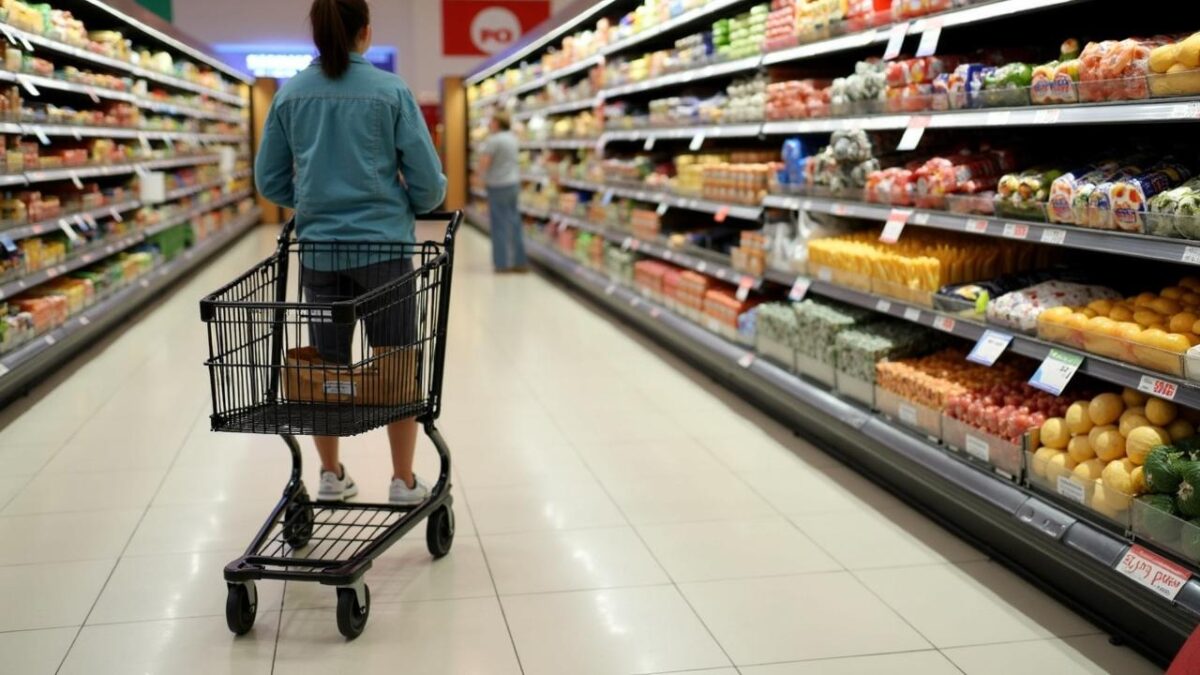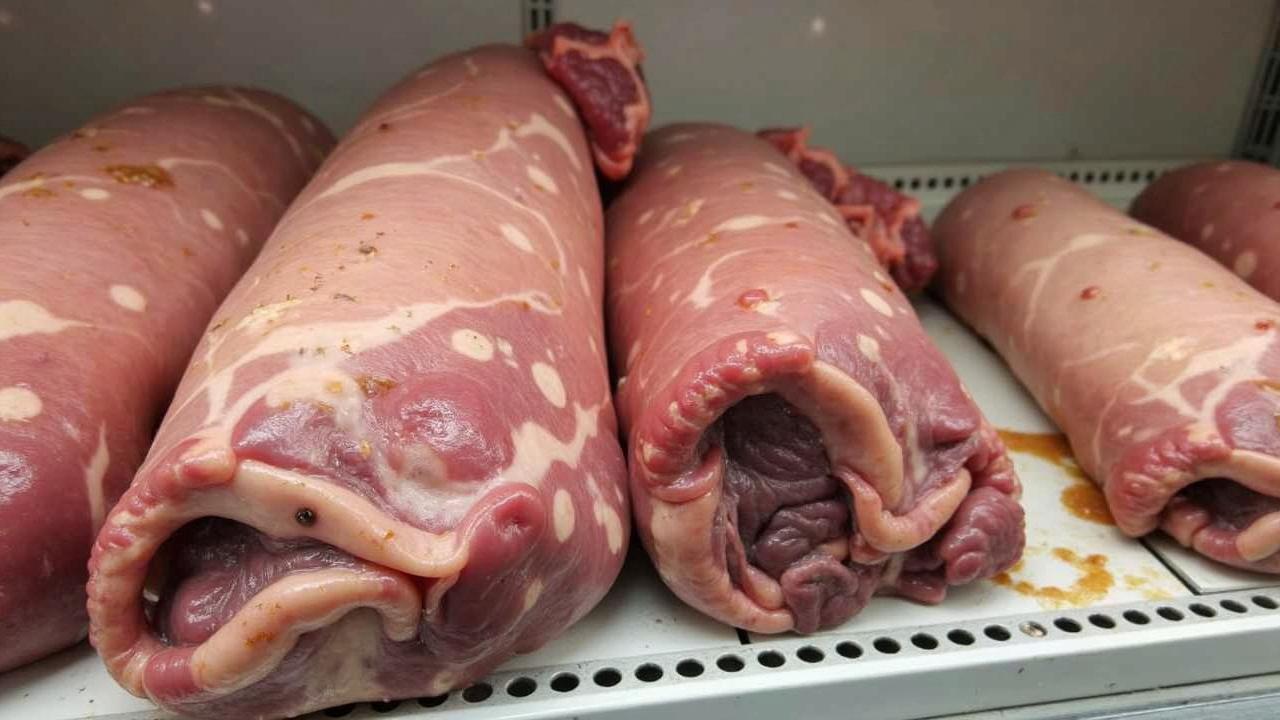
In a quiet commuter town west of Paris, shoppers arrived to find their usual meat counter suddenly sealed off by officials.
The shutters came down without warning, leaving customers staring at stark notices, cryptic wording and a lot of unanswered questions. Behind the scenes, health inspectors had just ordered the emergency shutdown of a butcher counter in a busy Yvelines hypermarket, after uncovering a level of filth and rodent activity rarely seen in modern food retail. Days later, the counter has been allowed to reopen, but the episode raises hard questions about hygiene, oversight and trust.
A rare and disturbing scene inside a French hypermarket
The incident took place at an Intermarché in Freneuse, a small town on the banks of the Seine, around an hour from Paris. On Friday 13 February 2026, a routine inspection of the store’s butcher and deli area took a sharp turn.
An officer from the Yvelines Departmental Directorate for Population Protection (DDPP) carried out checks on cleanliness, storage and equipment. The same butcher counter had been rated “satisfactory” in March 2025, according to official records. Something had clearly changed.
According to the emergency order signed by the prefect of Yvelines, inspectors described the butcher area and its equipment as “dirty and poorly maintained”. Waste handling was criticised, and several food products were judged to be kept in “inadequate conditions”.
Inspectors reported “several carcasses of pests (mice)” and “very large quantities” of droppings close to food preparation zones.
The report also pointed to handwashing stations that did not allow staff to clean their hands effectively, a basic requirement in any food-handling environment.
Shoppers confronted with sudden closure
While these details remained in official documents, shoppers only saw the result: a butcher counter barricaded and papered with notices announcing an administrative closure. No meat on display, no staff behind the counter, no explanation beyond a few legal references.
The mayor of Freneuse, Ghislaine Haueter, went to the store herself to display the prefect’s order at the entrance to the section. The message was clear to anyone able to read between the lines: the counter was not just closed for “maintenance” or “stock-taking”. It was shut as a public health measure.
The prefecture judged the counter “a danger to public health” due to the high likelihood of contamination and food poisoning.
➡️ Your leftover raclette deserves better than a box forgotten at the back of the fridge
➡️ Paris boils over: the world’s most Michelin-starred female chef opens a dream restaurant
➡️ This simple trick finally stops your caramel from burning or crystallising
➡️ Here Are The Food Products Hit By The Mercosur Trade Deal
➡️ This Moulinex bread maker with 17 automatic programs just lost a quarter of its price on Amazon
➡️ “These are not miracle teas and infusions”: Dr Cohen urges caution with these 4 products
➡️ Cooking your pasta with the heat off? Here’s why this method will become the norm in 2026
From filthy findings to a rapid shut-down
In France, prefects can close a food business or part of it when inspectors flag serious breaches of hygiene. Here, the combination of rodents, droppings, poor maintenance and questionable storage triggered that emergency power.
The order cited the risk of pathogenic micro-organisms developing in the meat products and contaminating customers. In practice, this can mean bacteria such as salmonella, listeria or E. coli, which can cause severe illness, especially in children, pregnant women and older people.
The closure applied specifically to the butcher section, not the entire hypermarket. Other departments could continue trading, but the meat counter had to stop operating immediately. Staff were forced to halt cutting, packaging and selling fresh meat until the DDPP was satisfied that standards had been raised.
How long the closure lasted
Despite the alarming findings, the shutdown did not drag on for weeks. After a frantic clean-up behind closed curtains, a fresh inspection took place on Wednesday 18 February 2026, five days after the initial visit.
This follow-up check concluded that the operator had taken “sufficient corrective actions” to bring the section back into line with regulations. The prefect signed a new order cancelling the closure and authorising a restart of activity.
The butcher counter reopened once authorities confirmed a full clean-up and improvements to hygiene procedures.
For local residents, the speed raised mixed feelings. Some welcomed a rapid return of fresh meat and “normality”; others wondered how a place could swing from “filthy and infested” to “acceptable” in less than a week.
What this means for shoppers and food safety
This case shines a light on how food safety controls actually work in large supermarkets, and where the limits lie. Routine inspections may only occur every few months or years. Conditions can deteriorate quickly between visits, especially if staff turnover is high or management cuts corners.
How French food inspections operate
The DDPP is in charge of many food safety checks at local level. Its officers can:
- Inspect any food business without prior notice
- Take samples of products and swabs from equipment
- Review temperature logs and cleaning records
- Order corrective measures within set deadlines
- Impose temporary or permanent closures in serious cases
These controls sit alongside broader EU food hygiene regulations, which require businesses to run their own risk assessments and to document cleaning and pest control routines.
Why rodents in food areas are such a red flag
Rats and mice are more than an aesthetic problem. They can carry a long list of pathogens through their urine, droppings, fur and feet. When droppings accumulate near fresh food, the risk rises sharply.
| Rodent-related risk | Potential impact on humans |
|---|---|
| Bacterial contamination (e.g. salmonella) | Gastroenteritis, fever, vomiting, diarrhoea |
| Contaminated surfaces and tools | Cross-contamination of meat and ready-to-eat food |
| Urine on packaging or storage areas | Transmission of serious infections in rare cases |
| Damaged packaging and gnawed products | Invisible breaches that let in other microbes |
For this reason, even a few droppings where meat is cut are treated seriously. “Very large quantities” and several carcasses, as reported in Freneuse, push the situation into another league.
How a butcher counter can recover from a scandal
Once a section is shut, the operator usually has to act fast to limit reputational damage and financial losses. Typical corrective actions include deep cleaning, technical repairs and changes in staff training.
Behind-the-scenes clean-up operations
In a case like Freneuse, a realistic checklist might look like this:
- Emptying cold rooms and preparation areas
- Disposing of any products that could be contaminated
- Thorough cleaning and disinfection of floors, walls, drains and equipment
- Repairing or replacing damaged surfaces that are hard to clean
- Bringing in pest control contractors to seal entry points and remove rodents
- Upgrading handwashing facilities with hot water, soap and paper towels
- Re-training staff on hygiene routines and record-keeping
Only once these steps are verified on site by inspectors can the butcher counter start cutting and selling again.
What customers can watch for during their weekly shop
Consumers rarely see inspection reports in real time, so many rely on visual clues and common sense. A few practical checks can help reduce risk when buying fresh meat, whether in France, the UK or anywhere else.
Trust your senses: if something looks dirty or disorganised around fresh food, it’s reasonable to walk away.
Practical signs to watch for include clean uniforms, visible handwashing, tidy counters and clear separation between raw meat and ready-to-eat products. Conversation also matters: staff who answer basic questions confidently about storage temperatures or cooking advice often reflect better training and oversight.
There is also a growing trend for national or local authorities to publish inspection results online. In some regions of France and other European countries, a simple search of a shop’s name can show recent ratings and any formal warnings.
Understanding the health stakes behind a “simple” closure
To many shoppers, an “administrative closure” notice can look like pure bureaucracy. In reality, these decisions try to balance two risks: shutting a business that employs local people, and letting unsafe food reach the public.
Food poisoning from contaminated meat can range from a rough 24 hours in bed to life-threatening complications. In older or medically fragile people, infections can trigger hospital stays, long-term kidney problems or worse. These are not abstract scenarios; they sit in the background of every decision by inspectors and prefects.
At the same time, a closure can act as a shock treatment. It signals to store management that hygiene is not negotiable, and it sends a quiet message to the wider industry: if standards slide, inspectors are willing to hit the brakes. For customers in Freneuse and beyond, that uncomfortable episode in the meat aisle may ultimately push other supermarkets to check their own cold rooms and pipes a little more carefully than usual.