As the fasting month approaches, supermarket aisles subtly transform, with certain products quietly taking centre stage, promotions included.
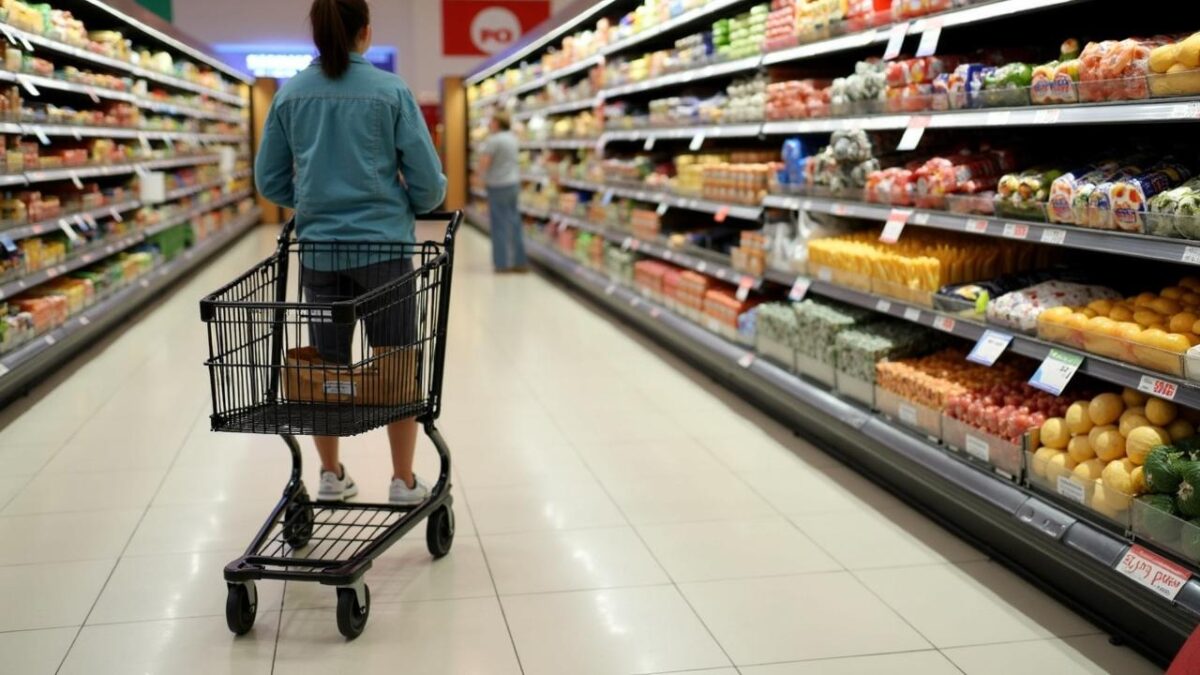
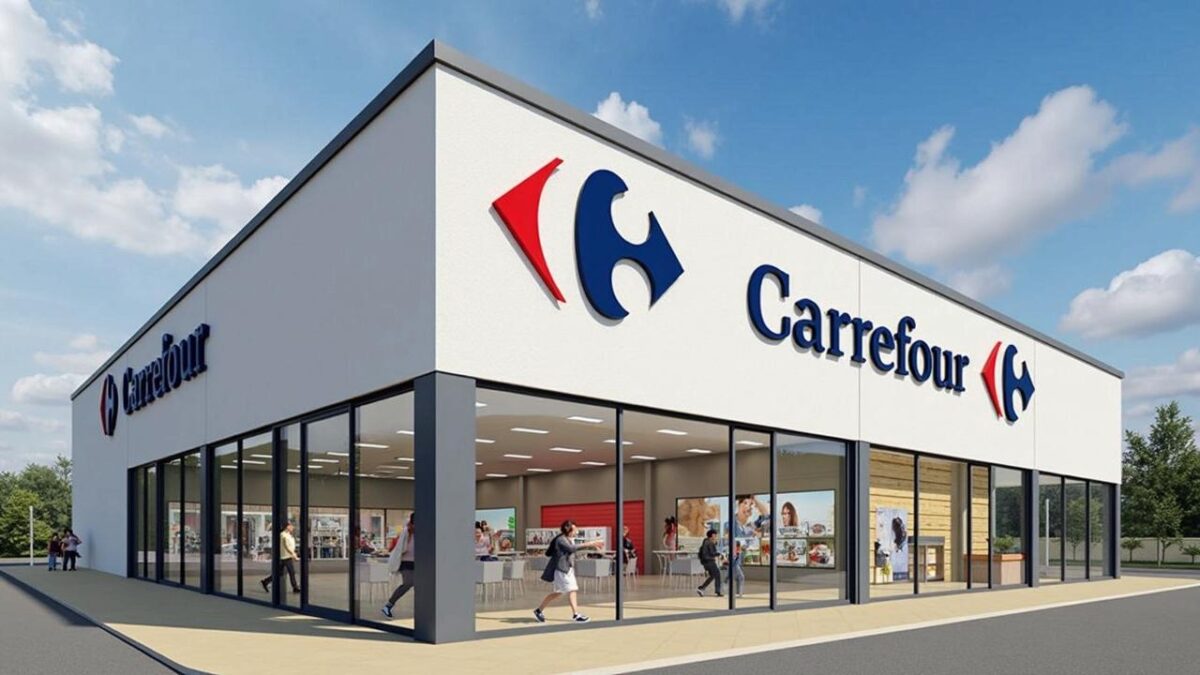
Walk into a French hypermarket in the weeks before Ramadan and the change is obvious: stacks of dates, towers of oil cans, piles of halal meat and bricks of pastry sheets suddenly dominate the front of store. What used to be a discreet corner shelf has turned into a fully fledged seasonal event that retailers now plan as carefully as Christmas or Easter.
Ramadan becomes a key trading period
For big supermarket chains, Ramadan is no longer a niche moment linked to “community marketing”. It has become a predictable sales engine backed by data, not instinct.
Across major French retailers, sales of halal products typically jump by around 30% during Ramadan compared with the rest of the year.
Figures from market researchers cited in the French press show how sharply habits shift during the fasting month. In categories such as poultry, deli meats, frozen food and ready meals, the halal segment can surge from about 6–7% of annual sales to more than a quarter of turnover in that period.
The broader halal market in France is now worth several billion euros annually, with spending by Muslim households rising sharply in recent years. That growth has pushed retailers to place Ramadan on the same internal calendar as other major feasting occasions. Promotional leaflets, aisle layouts and national campaigns are now built around that date as reliably as Easter eggs or Christmas chocolates.
For some chains, the strategy already pays off. One major French banner recently reported double‑digit growth in Ramadan sales from one year to the next and is planning for similar increases in the coming seasons. For finance departments, Ramadan is no longer a risk; it is a line in the budget.
A wider, younger customer base than retailers expected
One reason retailers are so aggressive: the customer pool for halal and Ramadan‑related products is broader than many originally assumed.
Market analysts estimate that around 12 million people in France buy halal products, and almost a third of them are not Muslim.
Some non‑Muslim shoppers see halal as a sign of stricter controls or simply follow price promotions. Others have adopted products such as merguez sausages, bricks or oriental pastries into their regular repertoire, regardless of religion. That gives grocers a far bigger audience than the Muslim population alone.
➡️ Intermarché: it’s official, the wolf from the advert is becoming the supermarket’s mascot
➡️ Paris boils over: the world’s most Michelin-starred female chef opens a dream restaurant
➡️ Are bottled flavoured waters treated? 60 Millions de consommateurs experts shed light on the issue
➡️ People Can’t Believe The Real Difference Between “Pork” And “Pig”
➡️ No, I never choose the same onion for every dish, this one transforms my salads
➡️ Why chefs swear by clarified butter to elevate their dishes – and how to make it
➡️ This Moulinex bread maker with 17 automatic programs just lost a quarter of its price on Amazon
Research also shows that the core halal‑buying demographic is young, urban and digitally savvy, often from third or fourth‑generation immigrant families. This group spends on convenience foods and fast food but still pays attention to ingredients and product variety. Brands catering to this audience work hard on packaging, flavours and storytelling, not just price.
Fast‑food chains and delivery apps have noticed the same trend. Major fried‑chicken brands now operate halal outlets in several European cities, and delivery platforms see order spikes of 30–40% on Ramadan evenings, especially around the time of iftar, the meal that breaks the daily fast.
Why Ramadan offers explode on the shelves
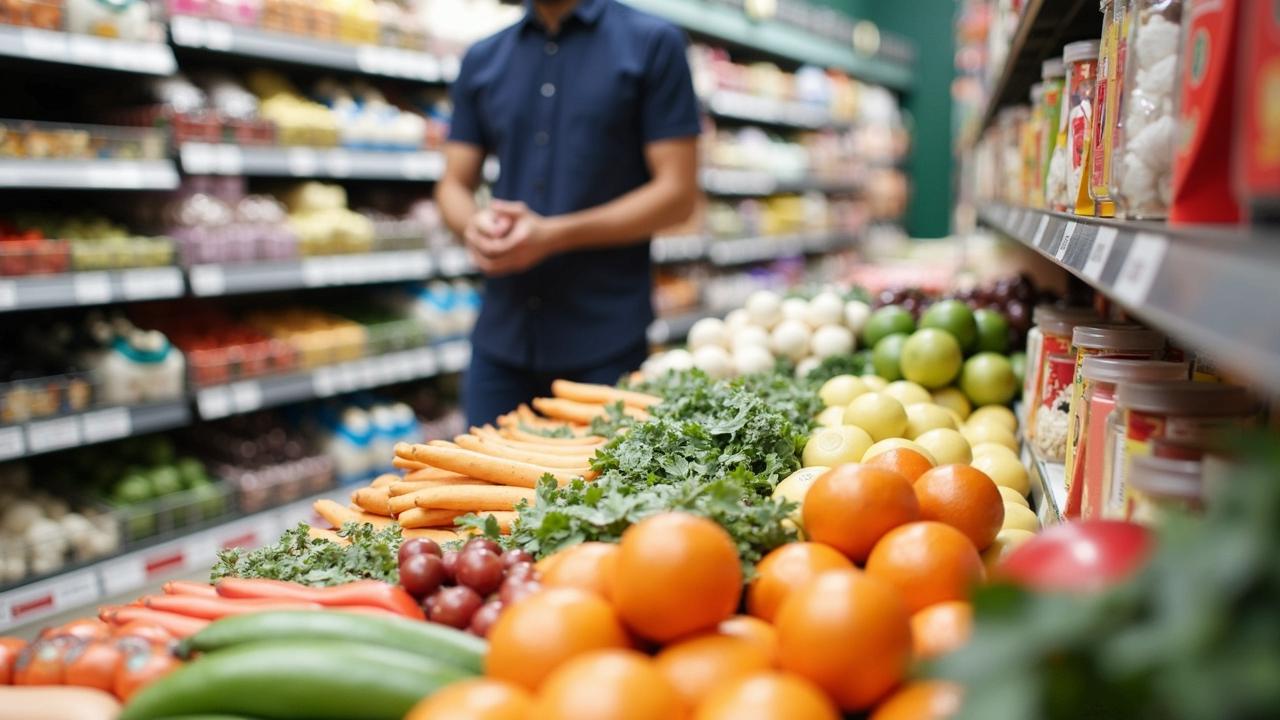
For shoppers, the most visible change is in‑store: Ramadan has shifted from a small end‑cap to a full seasonal “universe” carefully staged to trigger impulse buys.
Dates at the entrance, family‑size trays of meat in the chillers, multipacks of oil and semolina: the merchandising is designed for abundant evening meals.
In practice, retailers roll out a familiar playbook:
- Dedicated promotional leaflets focused on Ramadan and Eid
- Central aisles regrouping dried goods, chilled items and bakery products
- Strong stock build‑up in stores serving dense urban and suburban areas
- Large formats and multipacks aimed at big families and group meals
The layout usually follows the rhythm of Ramadan meals. At the entrance, piles of dates, dried fruits and juices target shoppers preparing for iftar. A bit further in, there are bricks, filo pastry, couscous, rice, lentils and spices, often bundled with large tins of oil. In chilled cabinets, supermarkets showcase halal poultry, minced beef, sausages and charcuterie, frequently in bulk or family trays, next to marinated skewers and ready‑made dishes.
Long dominated by neighbourhood butchers and specialist grocers, halal meat still remains strong in those channels, where Ramadan can represent between 15% and 25% of annual revenue. Yet industrial players have helped supermarkets conquer parts of the segment that suit mass distribution: frozen products, deli meats, ready meals and snacks.
Beyond food: Eid gifts, decoration and seasonal goods
In the last 10 days of Ramadan, attention shifts towards Eid al‑Fitr, the celebration that marks the end of the month. Supermarkets adjust accordingly.
What started as a food‑only push now extends to gift boxes, sweets, home decor and even clothing for Eid.
Some retailers set up small Eid corners with boxes of chocolates, biscuits, premium dates, decorative lanterns or tableware. The aim is to capture last‑minute gifting and party purchases that might previously have gone to local bazaars or online retailers.
This non‑food extension signals that Ramadan is being recognised by mainstream retail as a family celebration period, not simply a dietary constraint. For commercial departments, the logic mirrors other festive seasons: food at the heart, with add‑on spending around hospitality and gifts.
How supermarket tactics shape Ramadan habits
The aggressive promotions and merchandising do not just respond to demand; they can also shape it.
By pushing very large formats of sugary drinks, sweets and fried‑food ingredients, retailers may influence the way some families build their evening menus. Nutrition experts regularly point out that the health message of fasting can clash with heavy, calorie‑dense iftar feasts.
Some chains are starting to react. A few now highlight dried fruits, nuts, dates with reduced sugar content, olive oils and soups alongside the more indulgent offers. This gives shoppers at least the option of balancing their baskets.
For small businesses, the supermarket push is a mixed blessing. On the one hand, heightened attention to Ramadan normalises these products and may grow the overall pie. On the other, aggressive price promotions from giants can squeeze margins for independent butchers and grocers who rely on Ramadan for a big chunk of their annual income.
The business logic behind “community” marketing
Retailers once feared that leaning into Ramadan could provoke political backlash or accusations of “segregated” marketing. Those concerns have faded as sales data piled up and as diversity became a more visible part of European urban life.
From a business perspective, Ramadan offers several advantages:
| Factor | Why it attracts retailers |
|---|---|
| Predictability | The dates are known in advance, allowing precise planning of stock and promotions. |
| Concentrated spending | Food budgets are reallocated towards shared evening meals and special products. |
| Family formats | Large packs and multipacks increase average basket size. |
| New shoppers | Special offers can attract occasional or non‑Muslim buyers into the halal aisle. |
For marketing teams, the key challenge is tone: promoting festive abundance without caricature, and recognising religious practice without turning it into a gimmick. That line is not always easy, especially on social media, where missteps spread quickly.
Practical angles: what this means for shoppers
For households observing Ramadan, supermarket strategies can be used to their advantage. Promotions on basics such as oil, semolina, rice, chickpeas and frozen vegetables often start a few weeks before the first day of fasting. Planning ahead and buying staples early can help avoid both crowds and last‑minute price swings.
One useful approach is to separate bulk dry‑goods shopping from fresh‑food runs. Stock up once on long‑life items, then buy meat, dairy and produce in smaller, more frequent trips to limit waste. Keeping an eye on unit prices rather than headline discounts is also wise, as multipacks do not always beat standard packs over the whole month.
For non‑Muslim shoppers, the Ramadan period can be an opportunity to try products that are less visible at other times: brick pastries, Turkish börek sheets, special soups, or date varieties beyond the usual Deglet Noor. Many of these items stay on shelves year‑round once the season is over.
Key terms and scenarios worth knowing
Two notions often appear during this period:
- Iftar: the evening meal that breaks the fast at sunset, usually starting with water and dates, followed by a more substantial dinner.
- Eid al‑Fitr: the festival at the end of Ramadan, marked by morning prayers, family gatherings and gift‑giving.
From a retailer’s point of view, a typical Ramadan season now unfolds in three phases: early stock‑up on basics; peak iftar shopping in the middle of the month, when people host more; and finally an Eid push on sweets, gifts and festive foods. Understanding this rhythm helps explain why promotions seem to arrive in waves and why certain shelves empty at very specific times of day.
As more European cities adapt to this calendar, similar patterns are starting to appear outside France, in the UK, Germany and beyond. For supermarkets, Ramadan has quietly become one of the big dates of the year. For shoppers, the real question is how to use those promotions without letting marketing completely dictate what ends up on the table each night.