<strong>Nothing in the cupboards, a serious sugar craving, and only two lonely ingredients staring back at you from the shelf.
Across social media, home cooks are quietly rewriting what “baking from scratch” means, using just eggs and chocolate to whip up airy, tender cakes that look anything but improvised.
From empty cupboards to viral cakes
Picture the scene: payday is still a few days away, the flour jar is bare, and the sugar tin echoes when you tap it. At the back of the cupboard, you find a bar of chocolate. In the fridge, half a carton of eggs survives. Traditionally, that combination screams “make a mousse and move on”.
Instead, thousands of users on Instagram and TikTok are turning this almost-empty-shop situation into a party trick. Their claim: you can bake a proper, sliceable cake with just those two basic ingredients. No flour, no butter, no sugar, no baking powder.
With four eggs and a single bar of chocolate, you can produce a light, mousse-like cake that feels far more luxurious than its shopping list suggests.
Food creator Delia Tulei, whose posts frequently rack up hundreds of thousands of views, helped push the trend into mainstream feeds. Her two‑ingredient chocolate cake recipe has been shared, remade and remixed in home kitchens from small student flats to family homes.
How a two‑ingredient cake actually works
At first glance, the idea sounds like wishful thinking. Baking, after all, is usually about precision and a crowd of components. Yet this recipe leans on basic kitchen chemistry: protein, fat and air.
The minimalist ingredient list
- 4 whole eggs
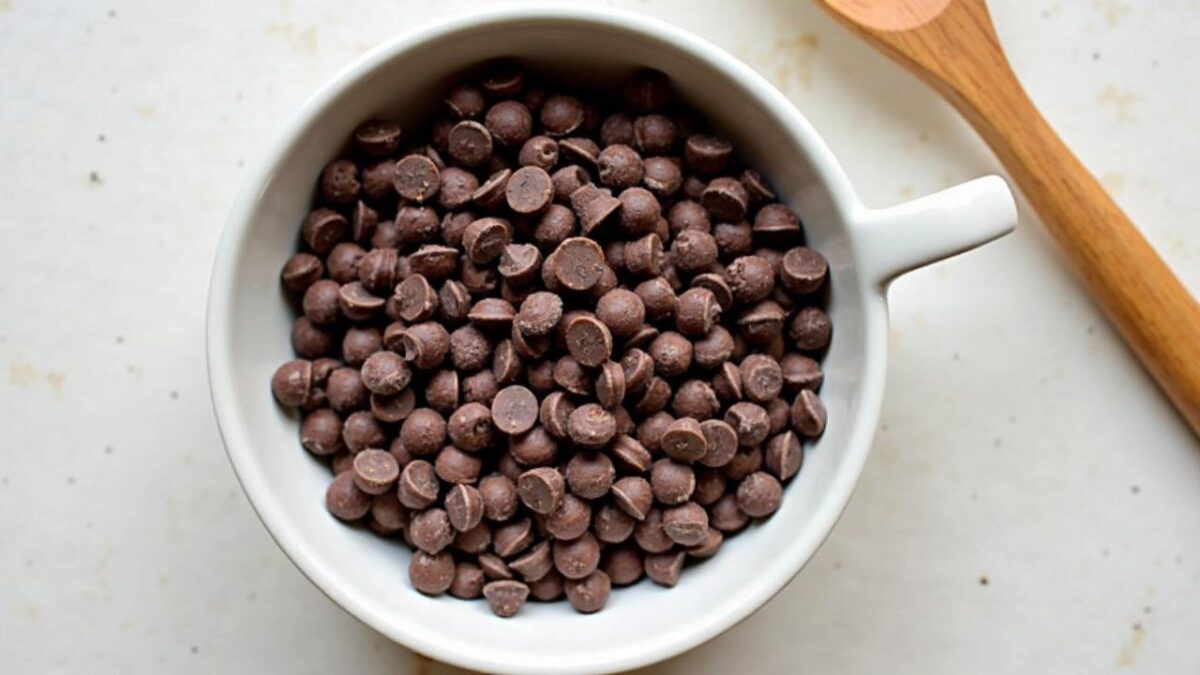
- 1 standard 100 g–200 g chocolate bar (dark, milk or white)
That is the entire recipe. There is no hidden pinch of baking powder, no cornstarch, no secret extra step. The volume of the cake will change a little depending on the size of the chocolate bar, but the structure relies mainly on the eggs.
The method, step by step
The technique is closer to making a soufflé than a classic sponge. Everything hinges on how you treat the eggs and how gently you mix.
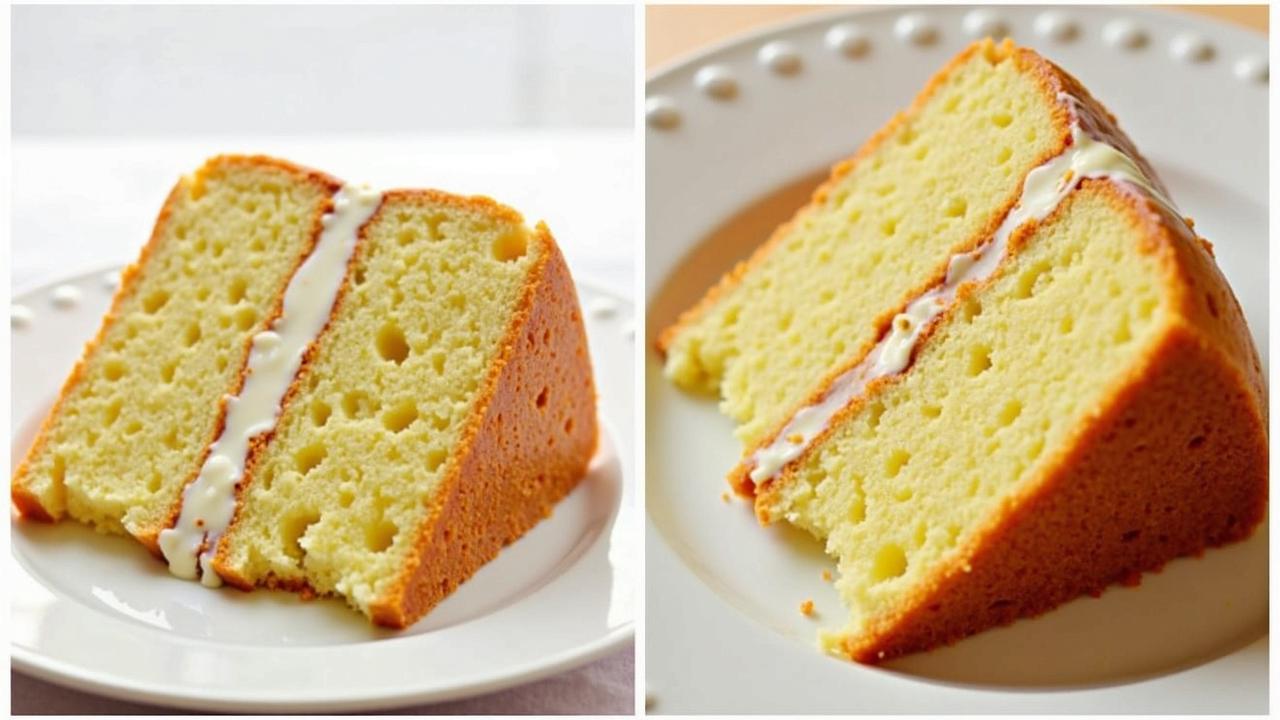
Once baked, the cake rests for a few minutes before it is turned out of the tin. The texture sits between a brownie and a souffle: soft, slightly mousse‑like and pleasantly moist.
➡️ Ramadan: why supermarkets ramp up offers and promotions every year
➡️ Here Are The Food Products Hit By The Mercosur Trade Deal
➡️ Are bottled flavoured waters treated? 60 Millions de consommateurs experts shed light on the issue
➡️ Fruit recall at Intermarché, Grand Frais, Fresh and others over pesticide limit breach
➡️ This simple trick finally stops your caramel from burning or crystallising
➡️ Nationwide recall in France after goat’s cheese found contaminated with harmful bacteria
The air beaten into the whites acts as your raising agent, turning two modest ingredients into something that looks like a proper tea‑time dessert.
Why this cake holds together without flour
In most classic cakes, flour provides structure while baking powder or bicarbonate of soda helps the batter expand. With only eggs and chocolate, the job is shared between egg proteins and cocoa solids.
Eggs as the backbone
When you beat egg whites, you trap tiny bubbles of air in a network of proteins. Once the mixture is heated in the oven, these proteins set around those bubbles. That is why a good meringue or soufflé rises dramatically despite containing no flour.
In this two‑ingredient cake, the same network forms. The yolks add fat and richness, while the chocolate supplies sugar and cocoa particles that contribute both flavour and structure.
The role of chocolate type
Different chocolate styles give subtly different results:
| Chocolate type | Resulting texture and taste |
|---|---|
| Dark (around 70%) | More intense cocoa flavour, slightly firmer crumb, less overt sweetness. |
| Milk chocolate | Softer and sweeter, with a creamier feel on the tongue. |
| White chocolate | Very sweet, vanilla‑forward, more like a soft blondie or custard cake. |
The sugar already present in the chocolate bar replaces the granulated sugar usually added to cake batter. That is why the method works even when the ingredients list looks almost too short to trust.
What social media has added to the recipe
Part of the charm lies in the way this trick fits modern cooking lives. It suits tiny kitchens, end‑of‑month budgets and late‑night cravings, and it doesn’t ask for specialised equipment beyond a whisk and an oven.
In comment sections under viral videos, users report their own spins. Some swap the chocolate bar for a hazelnut spread. Others add a pinch of salt or instant coffee for depth. A few serve thin slices with yogurt and fruit, turning an emergency dessert into a casual dinner party finale.
Behind the viral clips lies a more practical story: home cooks looking for comfort food that respects both time and bank balances.
Variations and add‑ons for the curious baker
While the headline remains “two ingredients”, once you are comfortable with the base recipe, small tweaks can tailor the cake to different occasions.
Three‑ingredient twists that still feel effortless
- Add a teaspoon of vanilla or almond extract to the yolk and chocolate mix for a more aromatic cake.
- Stir through a handful of chopped nuts for extra crunch and protein.
- Dust the finished cake with cocoa powder or icing sugar for a café‑style look.
- Serve with fresh berries to cut through the richness.
These additions barely increase complexity yet change the character of the dessert dramatically. For families, splitting the batter between muffin tins can create quick individual treats that bake faster and cool rapidly.
What “moelleux” really means in this context
French recipes often describe cakes like this as “moelleux”, a term that does not translate perfectly into English. It sits somewhere between soft, moist and tender.
The centre is not raw but carries a certain silkiness, especially when the cake is slightly under‑baked. Think less of a dry sponge, more of a baked mousse that holds its shape on the plate.
Practical scenarios: when this cake actually saves the day
This style of ultra‑simple baking has very clear real‑life uses. A few likely scenarios:
- You have unexpected guests, a single bar of chocolate and no time to run to the shops.
- Your student kitchen lacks scales, yet you still want something home‑baked.
- You are trying to reduce how much flour you buy, either for budget or storage reasons.
- You want a child‑friendly weekend activity that keeps washing‑up low and results quick.
For people watching their spending, the cost per slice stays relatively low. Eggs remain one of the most protein‑dense and affordable staples, and a supermarket‑brand chocolate bar often costs less than a takeaway dessert.
Nutrition, risks and sensible habits
A cake built on eggs and chocolate still counts as a treat food. It is rich in fat and sugar, even if the ingredient list is short. Dark chocolate versions tend to contain less sugar and a slightly higher proportion of cocoa, which brings antioxidants, but the calorie count remains comparable to many traditional cakes.
On the other hand, this recipe bypasses some common allergens such as wheat flour. People avoiding gluten can often enjoy it, provided the chosen chocolate bar is certified gluten‑free. Those with egg or dairy allergies, though, will need to steer clear or look to trends such as chickpea‑water meringues and vegan chocolate spreads for a similar minimalist thrill.
For anyone curious about baking chemistry, this trend acts like a small, delicious experiment. It shows how far air, protein and heat alone can go, and why understanding those basics lets cooks improvise when shop shelves – or kitchen cupboards – feel surprisingly bare.