<strong>From “fat-burning” bags to ultra-sweet lattes, supermarket teas are getting bolder in their promises – and nutritionists are getting worried.
French nutritionist Dr Jean-Michel Cohen is sounding the alarm on a new generation of so-called “miracle” teas and herbal infusions, widely marketed for weight loss, detox or sleep. Behind the enticing names and glossy packaging, he says, some products are closer to flavoured drinks than to real tea – and a few may pose problems for people watching their blood pressure, sugar intake or caffeine load.
When tea stops being tea and turns into a product
Tea and herbal infusions have long been seen as safe, almost virtuous drinks. In France, they come just after coffee in daily consumption. Green tea, black tea, mint, berry infusions: the shelves are overflowing with choice.
Brands now add a second layer: health promises. Slimming, “flat tummy”, “light legs”, “better sleep”, “detox” – the claims are everywhere. That trend is precisely what worries Dr Cohen.
He warns that many “miracle” teas are built on heavy flavouring, added sugar and marketing buzzwords rather than on genuine plant ingredients.
For him, a good tea starts with the leaf. The most aromatic and interesting leaves are the youngest, smallest ones, close to the bud. Used whole, they release complex flavours and naturally occurring compounds that make tea attractive from a health perspective.
Industrial products often go in the opposite direction. They rely on broken fragments and tea dust. These tiny particles release fewer natural aromas, so manufacturers compensate with powerful flavourings and sweet notes.
Why the ingredient list matters more than the front label
Dr Cohen argues that the back of the pack tells the real story. When a tea contains more flavourings than recognisable botanicals, it becomes a flavoured drink rather than a traditional infusion.
He recommends choosing products with short, clear ingredient lists, composed mainly of identifiable plants or tea leaves rather than “aroma” and vague additives.
For consumers used to comforting, dessert-like drinks, that can be disarming. Yet, from a nutritional point of view, the simpler the better: tea, herbs, maybe a spice or two. Everything else is optional, sometimes counterproductive.
➡️ Have you ever tried cloud eggs? This light way to cook them
➡️ Stuck shell, torn whites: that’s ancient history with the spoon trick for peeling hard-boiled eggs
➡️ People Can’t Believe The Real Difference Between “Pork” And “Pig”
➡️ Intermarché: it’s official, the wolf from the advert is becoming the supermarket’s mascot
➡️ Cakes with 2 ingredients, so simple you won’t believe they work… yet the results are astonishing
➡️ Your leftover raclette deserves better than a box forgotten at the back of the fridge
➡️ Ramadan: why supermarkets ramp up offers and promotions every year
The four products Dr Cohen flags as problematic
In his analysis of supermarket shelves, Dr Cohen highlighted four specific references he advises treating with caution.
- Twinings blueberry and raspberry flavour tea
- Twinings chocolate hazelnut & chai tea latte
- Nescafé Dolce Gusto Marrakech Tea
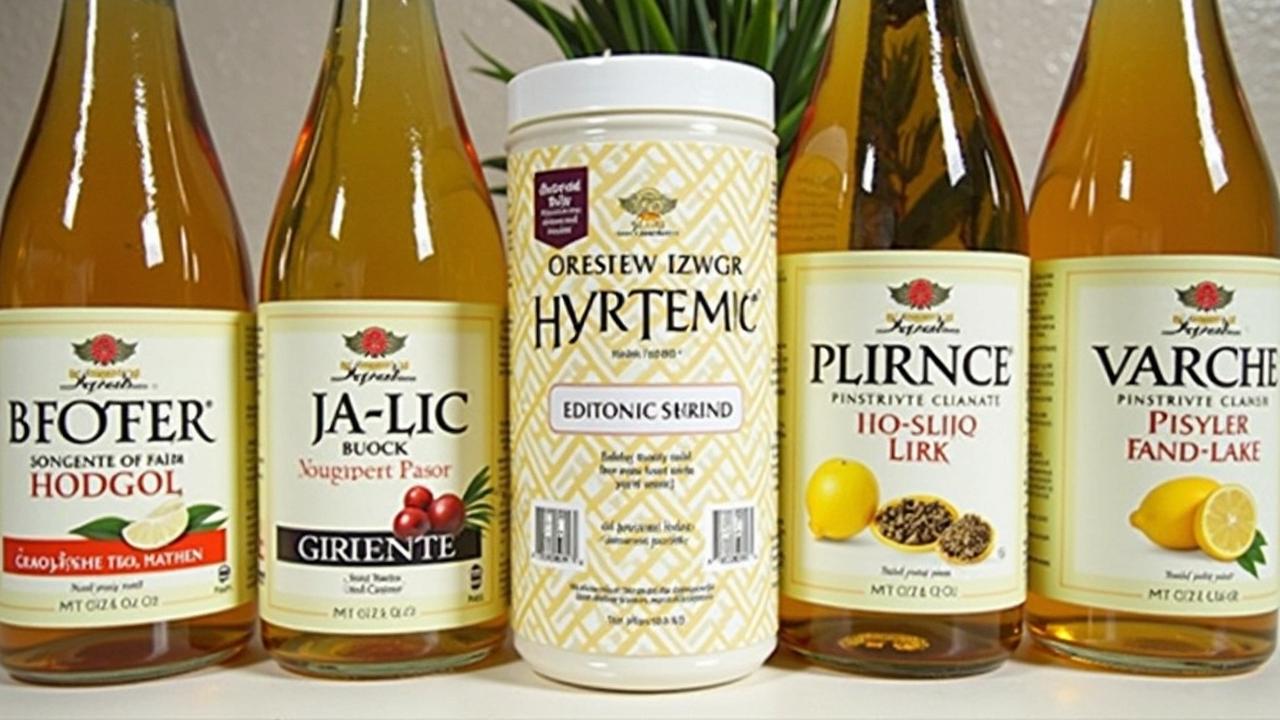
- Jardin Bio Étic “fat burner” infusion
1. Berry-flavoured tea heavy on aromas
The first is a Twinings tea with blueberry and raspberry flavour. The fruity name suggests a subtle, natural infusion. According to Dr Cohen, it is built largely on added aromas rather than generous amounts of fruit or quality tea.
The recipe also contains liquorice, an ingredient that raises a specific red flag. Liquorice can increase blood pressure in susceptible individuals when consumed regularly or in high amounts.
People with hypertension or at risk of it are usually advised to keep liquorice intake low, including in sweets, herbal teas and supplements.
For healthy adults, an occasional cup is rarely a problem, but daily consumption over months may not be ideal if blood pressure is already an issue.
2. Dessert-style tea latte that hides sugar
The second product he questions, also by Twinings, is a chocolate hazelnut & chai tea latte. The concept is simple: a tea that tastes like a dessert. The nutritional profile tends to match that description.
These latte-style teas are often enriched with sugar, milk powders or creamers, and strong flavourings to mimic hot chocolate or hazelnut drinks. Dr Cohen sees them less as tea and more as a sweetened hot beverage comparable to a modest dessert.
For someone trying to manage weight or stabilise blood sugar, a pattern of several sweet drinks a day can quietly add up in calories and sugar grams.
3. Marrakech-style capsule tea where sugar comes first
Next on his list is Nescafé Dolce Gusto’s Marrakech Tea, a capsule drink inspired by the famous Moroccan mint tea. Traditional Moroccan tea is already known for being generously sweetened.
In the industrial capsule version, Dr Cohen points out that sugar appears as the very first ingredient. That means it is present in the largest quantity, ahead of tea and mint.
According to him, a single cup of this tea roughly corresponds to a sugar cube in terms of sugar content.
For occasional enjoyment, that might be acceptable. The issue arises when people drink it several times a day, mistakenly believing it to be a light, health-positive beverage rather than a sugary treat.
| Type of hot drink | Main concern |
|---|---|
| Flavoured capsule tea | High sugar, low tea content |
| Tea latte mix | Added sugars and creamers |
| “Miracle” slimming infusion | Overstated claims, hidden caffeine |
4. “Fat burner” infusion that isn’t just an infusion
Finally, Dr Cohen turns to a product from organic brand Jardin Bio Étic: a “fat burner” infusion. Its name suggests a harmless herbal blend designed for weight loss.
He notes that the drink actually contains theine, another word for caffeine when it comes from tea leaves. That means the infusion acts more like a stimulating tea than a calming herbal drink.
Labelled as a simple infusion, it can mislead people who think they are drinking a caffeine-free, gentle herbal product at any time of day.
He also criticises the promise itself: no bag of herbs melts body fat on its own. At best, certain plants can slightly increase thermogenesis or help limit water retention. Expecting dramatic weight loss from such products leads to disappointment and may overshadow more meaningful lifestyle changes.
How to choose a healthier tea or infusion
For those who love hot drinks, Dr Cohen’s remarks do not mean giving them up. The idea is to choose better.
- Read the ingredients: aim for mostly tea leaves or herbs with minimal flavourings.
- Check the order: if sugar comes first, treat it as a sweet drink, not just tea.
- Watch for liquorice if you have high blood pressure.
- Identify caffeine sources if you are sensitive or drink them late at night.
- Be cautious with exaggerated health promises.
Whole loose-leaf tea or high-quality teabags with visible leaves generally provide a more authentic taste. They also avoid the need for heavy flavouring to compensate for poor raw material.
Marketing promises vs realistic health benefits
Tea and herbal blends can genuinely support wellbeing. Green tea contains catechins, which have been studied for metabolic and cardiovascular effects. Peppermint or fennel infusions can ease digestion in some people. Chamomile may assist relaxation before sleep.
Yet the gap between these modest, evidence-backed effects and the language on some boxes is wide. Words like “fat burner”, “detox” or “draining” suggest fast, almost effortless results.
In practice, any impact from these drinks remains small compared with diet quality, physical activity, sleep and medical care.
Someone drinking several sugary “detox” teas a day while not adjusting their overall diet may end up increasing calorie intake instead of reducing it. Another person relying on “sleep tea” yet sipping it with strong caffeine minutes before bed could worsen their rest without realising why.
What “fat-burning” tea might really be doing
Consider a typical scenario. A shopper buys a “fat burner” infusion containing green tea, mate and guarana. These plants have stimulating properties, mainly through caffeine.
The drink may slightly raise heart rate and energy expenditure for a short time. That effect might burn a handful of extra calories, nothing comparable to a brisk 30-minute walk. At the same time, the stimulant effect may disturb sleep if consumed late, which in turn can impact appetite and weight regulation in the opposite direction.
When paired with a balanced diet and movement, such teas can be a pleasant ritual that fits into a healthier routine. Used alone as the main strategy, they rarely deliver what the packaging implies.
Practical tips for tea lovers
For those who want both pleasure and health benefits, a few adjustments help:
- Prepare unsweetened tea and add a small amount of honey only if needed.
- Alternate between caffeinated and caffeine-free infusions during the day.
- Reserve dessert-style lattes or sweet capsule drinks for occasional treats.
- If you enjoy liquorice-based blends, limit them and discuss with your doctor if you have hypertension.
Used thoughtfully, tea and herbal infusions can stay what they were originally meant to be: simple, comforting drinks that accompany a meal, a break, or an evening wind-down, without pretending to be miracle cures.