In European kitchens, a quiet revolution is bubbling away: a way of cooking pasta that barely uses the hob at all.
Instead of leaving a pan to roar away for ten minutes, chefs and scientists now argue you should switch the heat off almost immediately. The surprising part is not just that it works, but that it could soon be the standard method in millions of homes.
What “heat-off” pasta cooking actually looks like
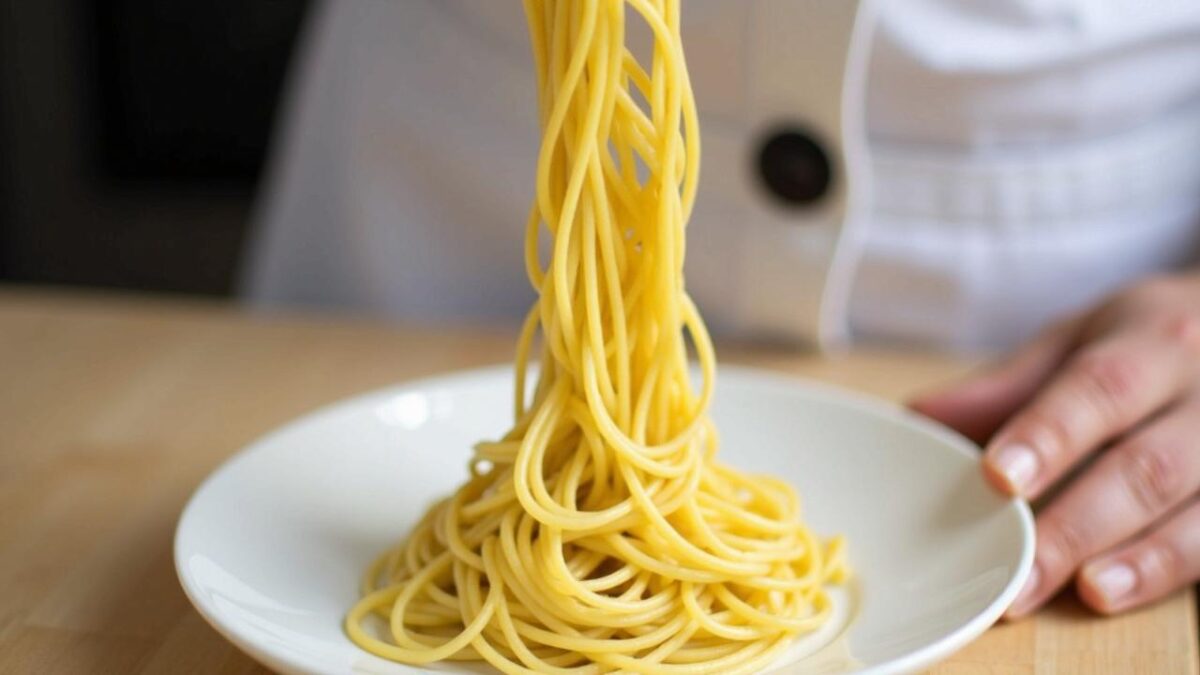
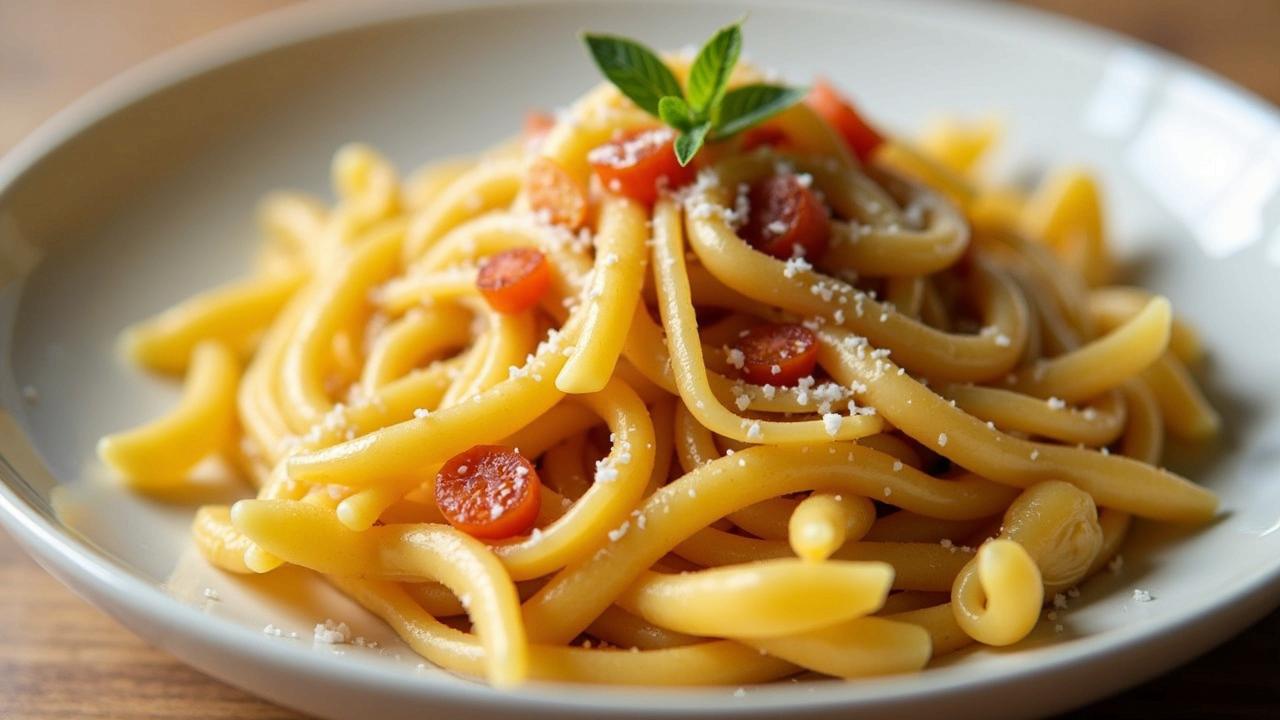
The plate you serve looks familiar: a bowl of hot, perfectly al dente pasta. The big shift happens in what you do with the hob.
This “passive cooking” method asks you to bring water to the boil, add pasta, keep it on full heat for just two minutes, then turn the hob off and walk away while the water finishes the job.
Switch the heat off after two minutes, lid on, and let the stored heat in the water cook the pasta through.
The technique has been studied for years in Italy, but the energy crisis and climate targets are pushing it into the mainstream. Italian pasta giant Barilla, the Unione Italiana Food association and Nobel-winning physicist Giorgio Parisi have all promoted it as a credible alternative to the rolling boil.
Step-by-step: how to cook pasta with the heat off
The approach relies on a few simple moves, not fancy equipment:
- Bring a large pan of water to a vigorous boil with the lid on, then add salt (about 7–10 g per litre).
- Pour in the pasta and let it boil for exactly 2 minutes, stirring to stop sticking.
- Turn the heat off completely and put the lid back on firmly so no steam escapes.
- Leave the pasta in the hot water for the rest of the time stated on the packet, plus about 1 extra minute, then drain.
As long as the lid stays closed, the water remains well above 85°C for several minutes, which is all the pasta needs to cook. You are using the pan as a short‑term thermal battery, rather than as an open radiator constantly fed by gas or electricity.
The science behind passive pasta cooking
The method sounds counterintuitive because many of us grew up believing pasta “must” boil hard the entire time. Thermodynamics tells a different story.
Two processes in the pasta matter: starch gelatinisation and gluten setting.
➡️ Your leftover raclette deserves better than a box forgotten at the back of the fridge
➡️ Are bottled flavoured waters treated? 60 Millions de consommateurs experts shed light on the issue
➡️ The jury still can’t believe it: these two French brothers just won the pastry world championship
➡️ No, I never choose the same onion for every dish, this one transforms my salads
➡️ Not all balsamic vinegars are created equal: how to recognise real balsamic from Modena
➡️ Ramadan: why supermarkets ramp up offers and promotions every year
➡️ Fruit recall at Intermarché, Grand Frais, Fresh and others over pesticide limit breach
- Starch granules start to swell and absorb water from around 60°C and finish between 70–75°C.
- Gluten proteins, which give pasta its firm bite, set at around 80°C.
Once your water is comfortably above those temperatures, pasta continues to cook whether it is at 90°C or 100°C. Big, rolling bubbles do little more than churn the water and risk breaking delicate shapes.
From a texture point of view, 85–95°C with a lid on is almost indistinguishable from a full rolling boil.
Experiments highlighted by Parisi and by food chemist Dario Bressanini show that in a typical covered saucepan, water that has just boiled will slowly cool but remain above 85°C throughout the resting time needed for pasta. The main enemy is curiosity: lifting the lid lets steam escape and can drop the temperature by 10–15°C in seconds.
Why “heat-off” pasta could become the 2026 default
The arguments in favour of passive cooking go far beyond geeky kitchen science. They land directly on the household bills and climate charts that policymakers watch closely.
Energy, bills and emissions
Data from Italian manufacturers point to remarkable savings. Industry group Unione Italiana Food reports that cutting the heat after two minutes can slash energy use for that pan by up to 47%. A life‑cycle analysis commissioned by Barilla suggests associated CO₂ emissions can fall by as much as 80% versus a traditional 10‑minute boil.
| Metric (per year, typical household) | Traditional boil | Passive cooking |
|---|---|---|
| Energy use for pasta cooking | 100% | ≈53% |
| CO₂ emissions | Baseline | Up to 80% less |
| Estimated savings (300 pasta meals) | £0 | ≈€60 on induction, ~13 kg CO₂ avoided |
On its own, one pan of pasta hardly feels like a climate gesture. Over a year, and multiplied across millions of households, the impact is no longer trivial. In a period marked by volatile gas prices and pressure to cut emissions, governments and brands are eager for small, painless changes like this.
Why 2026 keeps coming up
Food companies are not just sharing a tip; they are planning for a shift. Since 2022, Barilla has run a “Passive Cooking” campaign in Europe, backed by cooking guides, apps and even prototype smart devices designed to time the heat-off phase.
Kitchen appliance makers are eyeing features that automate or remind users about reduced‑energy modes. Recipe platforms are beginning to label pasta instructions for passive cooking. Insiders in the Italian pasta sector speak about 2026 as a realistic horizon for this method to be promoted as a new norm, especially in Europe’s better‑insulated, induction‑heavy kitchens.
If energy prices remain high and climate targets tighten, a low‑effort technique that cuts nearly half the energy from a staple dish becomes hard to ignore.
Does it change how the pasta tastes?
Taste is the question that decides whether any kitchen trend sticks. Tests carried out by Italian food labs and chefs indicate that, when timings are respected, most people cannot tell the difference between passive‑cooked pasta and pasta simmered the classic way.
There are some nuances:
- Pasta holds its shape well, thanks to gentler movement in the pan.
- Long shapes like spaghetti tend to benefit most, while very thick or stuffed formats may need a slightly longer resting period.
- Because the water cools gradually, there is a narrower window between al dente and overcooked, so attention to timing matters.
Chefs testing the method in restaurant conditions stress two practical rules. First, stick to large volumes of water, roughly 1 litre per 100 g of pasta, to maintain stored heat. Second, resist stirring during the resting phase unless you briefly crack the lid and replace it quickly.
When passive cooking may not be ideal
The method suits many everyday situations, but not every one. Very high altitudes, where water boils at a lower temperature, can reduce the heat buffer during the resting phase. Very thin or fresh egg pasta, which cooks in two or three minutes total, offers less scope for energy savings as the entire cooking time is already short.
In shared or older kitchens with ill‑fitting lids, heat loss can be higher than in the tests run by manufacturers. In that case, some cooks choose a hybrid approach: turn the heat to low instead of fully off, keeping the water just below a simmer while still cutting energy use significantly.
Practical scenarios for everyday cooks
For busy households, passive cooking opens up some handy workarounds. Turning the hob off frees a burner and removes the fear of a pan boiling over.
- On a weeknight, you can cook a sauce on another ring while the pasta silently finishes under its lid.
- In small flats with poor ventilation, less steam and heat mean a more comfortable kitchen.
- Parents juggling homework and dinner gain a few calmer minutes without a pot demanding constant attention.
Energy‑conscious students in halls or bedsits can pair this approach with other low‑use tricks, like covering pans by default and using smaller burners that better match pan size.
Key terms and how they matter in your kitchen
Two ideas crop up repeatedly in discussions about this shift: “passive cooking” and “thermal inertia”.
Passive cooking simply means using stored heat rather than continuous energy input. You are familiar with it if you have ever left a stew to stay hot in a lidded pot or used an insulated flask to keep soup warm.
Thermal inertia describes how slowly a system loses heat. A heavy, thick‑bottomed pan with a snug lid has high thermal inertia, so it cools slowly. Switching to heat‑off pasta gives that property a starring role: the pan’s ability to hold onto heat is what replaces extra gas or electricity.
As energy labels tighten on appliances and as households juggle costs, methods like this, which work with the physics of your kitchen instead of against it, are likely to attract more attention. By 2026, “turn it off after two minutes” might sound less like a quirky tip and more like the default setting for cooking a simple pot of pasta.