A colourful exotic fruit, praised on social media and sold loose in premium aisles, has suddenly become a health concern.
French food safety authorities have ordered a nationwide recall of certain dragon fruits sold in major supermarket chains, after checks revealed levels of pesticide residues above the legal threshold. Shoppers who picked up these eye-catching fruits over the festive period are now being urged to check their purchases and, if in doubt, stop eating them.
What has been recalled and where was it sold?
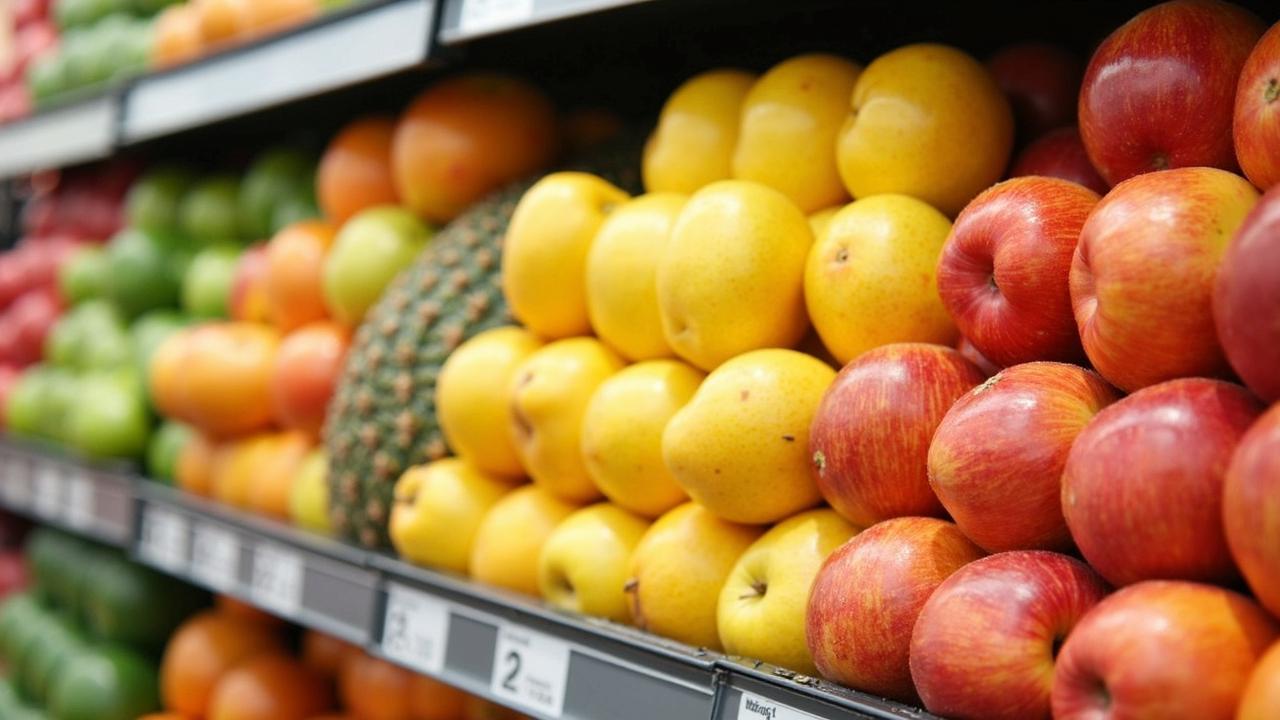
The alert concerns yellow pitaya, better known as yellow dragon fruit, imported from Ecuador and distributed across France by wholesaler PROSOL ACHATS SAS. The fruits were sold loose, not pre-packed, which makes the recall trickier for shoppers to track.
Yellow pitayas sold between 27 December 2025 and 10 January 2026 are affected by the recall in several major French retail chains.
According to the official notice on the French government portal Rappel Conso, the affected fruits were available in:
- Grand Frais
- Fresh
- Mon Marché
- Intermarché
- Les Halles Savoyardes
- Banco Fresco
In stores, they appeared in the fresh produce section under the label “Pitaya Jaune Origine Équateur” (Yellow pitaya, origin Ecuador), usually presented as individual fruits in the loose produce area.
Unlike many recalls, there is no batch number, barcode (GTIN) or use-by date for shoppers to check. Because the fruit was sold loose, the advice is to focus on the period of purchase and the shop where you bought it.
Anyone who bought yellow pitaya from these chains between 27 December and 10 January is advised not to consume it and to return it to the store.
Why are these dragon fruits a problem?
Tests carried out on this batch of yellow pitaya showed a breach of the maximum residue limits for pesticides set by European regulation. These limits are designed to ensure that, even with regular consumption, exposure to plant protection products remains within safety margins.
When checks show that a fruit goes beyond those limits, it is considered unfit for consumption, regardless of how it looks, smells or tastes.
➡️ Stuck shell, torn whites: that’s ancient history with the spoon trick for peeling hard-boiled eggs
➡️ “When I don’t have mascarpone, here’s what I use instead without losing any indulgence”
➡️ Why you should always flip your sardine tins in your cupboard
➡️ Not all balsamic vinegars are created equal: how to recognise real balsamic from Modena
➡️ Your leftover raclette deserves better than a box forgotten at the back of the fridge
➡️ Low-calorie, this rustic dish is back: it wins over Laurent Mariotte and buries gratin dauphinois
➡️ Rodent droppings and carcasses: Yvelines hypermarket butcher counter reopens after shocking closure
➡️ Tomato sauce too acidic? The Italian no-sugar trick that transforms the taste
The issue is not an immediate poisoning event, but repeated exposure to low doses of several chemicals over time.
Researchers have linked chronic exposure to some pesticides to a range of health outcomes, from hormonal disruption to possible effects on the nervous system. Certain molecules are also suspected or proven carcinogens.
Even though a single pitaya is unlikely to cause acute symptoms, regulators act on the principle that systematic exposure, day after day, from multiple foods can add up. A product that exceeds the legal threshold adds to that cumulative burden.
What should shoppers do now?
If you purchased yellow pitaya in France from one of the named chains between the listed dates, the safest option is to treat it as affected by the recall. Do not try to peel, wash or cook it in the hope of making it safe: the advice is not to eat it at all.
Customers can bring the fruit back to the shop where they bought it. The notice states that stores should accept returns and provide a refund if the consumer contacts customer service before Friday 23 January 2026.
| Product | Label in store | Origin | Sale dates | Main action advised |
|---|---|---|---|---|
| Yellow pitaya (dragon fruit) | “Pitaya Jaune Origine Équateur” | Ecuador | 27/12/2025 – 10/01/2026 | Do not consume, return to store for refund |
If you have already eaten one or more of these fruits and feel well, no specific medical treatment is being recommended. The concern relates to long-term exposure to residues rather than acute toxicity. People who are pregnant, have chronic health conditions or feel worried can still talk to their GP or local poison control centre for personalised advice.
How pesticide limits are set – and why they matter
Maximum residue limits (MRLs) are calculated on the basis of toxicological studies and consumption data. Regulators estimate how much of a substance a person could ingest every day over a lifetime without measurable health effects, then apply safety factors.
It can sound paradoxical: pesticides are by definition toxic to insects, fungi or weeds, yet regulators say trace amounts on food can be compatible with human health. The key question is dose and frequency of exposure.
Legal limits aim to keep lifetime exposure well below thresholds where studies have seen harm, with significant safety margins.
MRLs are not direct “toxicity lines” between safe and dangerous. They are regulatory tools, designed to keep use of pesticides in agriculture within controlled boundaries. When those boundaries are crossed, as in this case, authorities typically err on the side of caution and order recalls.
Why exotic fruits are under scrutiny
Over the last decade, French supermarkets have widened their range of tropical and exotic produce. Fruits such as pitaya, rambutan and papaya have moved from specialist grocers into mainstream chains, reflecting changing tastes and social media trends.
These products often travel long distances and may come from farms using pest control regimes that differ from European norms. While imports undergo checks, controls are done on samples, not every individual shipment.
When a laboratory screen flags residues above EU limits, even if only on a subset of fruits, regulators generally extend the alert to the whole batch or time window connected to the same supplier. That is what has happened with these yellow pitayas.
Can washing or peeling reduce pesticide risks?
For many fruits, washing under running water and peeling can reduce surface residues. Some pesticides remain mostly on the skin, while others can penetrate deeper into the flesh.
In the context of a formal recall for exceeded MRLs, authorities insist that home treatments are not enough. The recall assumes a worst-case scenario where peeling does not bring residues below acceptable levels.
From a practical standpoint, everyday habits still make sense: rinsing fruit, avoiding unnecessary waxed peels, and varying what you eat. Variety reduces the chance of repeatedly ingesting the same pesticide from the same source.
Understanding long-term risks and cumulative exposure
Pesticide-related health concerns often sound vague, which can make them easy to dismiss. The main worry is low-level exposure from many foods, day after day, over decades. A single contaminated mango or pitaya is rarely the whole story.
Consider a typical week: fruit at breakfast, salad at lunch, vegetables at dinner, fruit juice, herbal tea. Each product may legally contain trace residues of several different substances. Regulators look not only at the amount of each pesticide, but also at the cocktail effect created when many small exposures pile up.
Even if each food is just under the limit, the combined intake across the diet can approach levels regulators want to avoid.
Children, pregnant women and people with chronic conditions are often considered more vulnerable. Their bodies may handle chemical stressors differently, and their exposure per kilogram of body weight can be higher, especially for children.
How consumers can reduce their pesticide exposure
This recall will prompt some shoppers to rethink how they choose fruit, especially imported specialities. Without turning every trip to the shop into a chemistry lesson, a few habits can make a measurable difference.
- Vary your fruits and vegetables, mixing tropical items with local, seasonal produce.
- Wash all fresh produce under running water and, when possible, scrub firm fruits and vegetables.
- Peel thick-skinned fruits when you do not need the skin for recipes.
- Pay attention to official recall notices and respect advice not to consume affected products.
- For frequently eaten items, consider organic options where budgets allow.
None of these steps guarantees a diet free from chemical residues, but they can nudge overall exposure downward. Combined with regulatory controls and targeted recalls, they contribute to keeping risks at a manageable level while still allowing consumers to enjoy a varied, colourful fruit bowl – pitaya included, once safe batches return to the shelves.