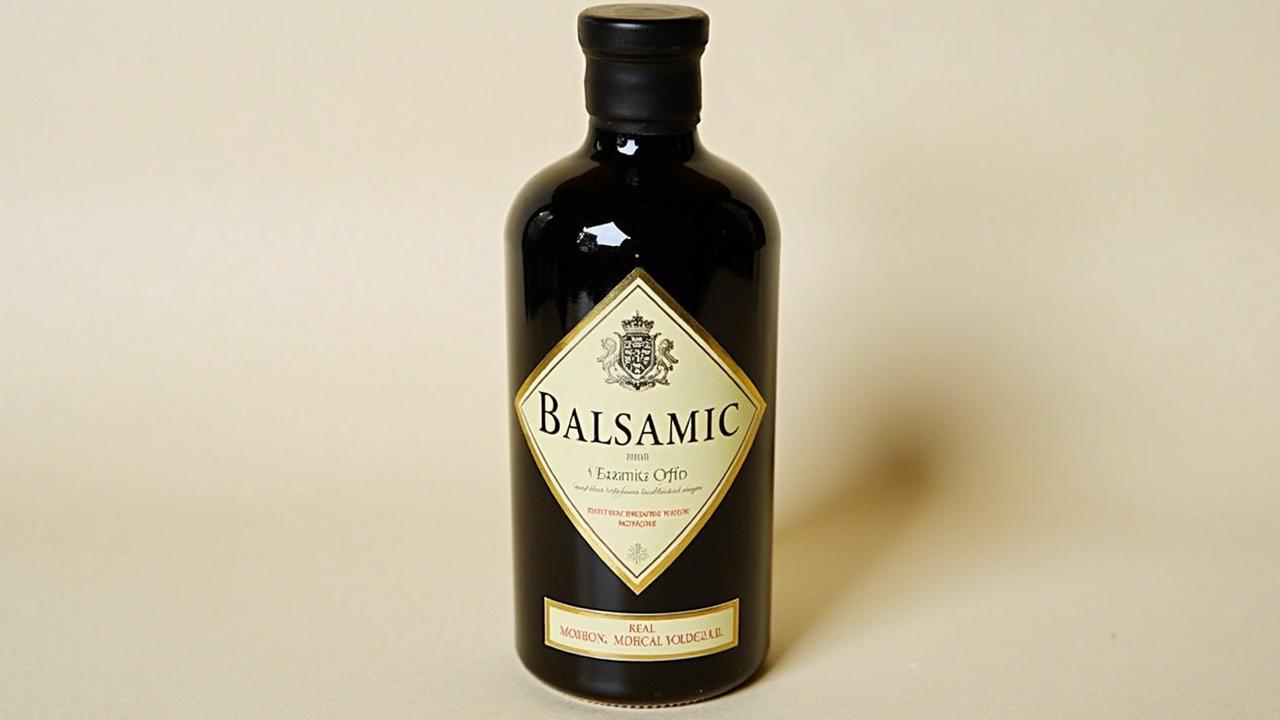
On supermarket shelves, the dark bottles all look the same.
Yet behind the “balsamic” label lie wildly different products.
Some are aged for decades in tiny wooden barrels and guarded by Italian consortia. Others are rushed through steel tanks, thickened with caramel, and sweetened just enough to pass as gourmet. Learning the difference can save you money and transform your cooking.
Why real balsamic from Modena is such a big deal
In Italy’s Emilia-Romagna, balsamic vinegar is not a casual pantry item. It is a protected regional speciality with strict rules, taste panels and legal labels. Two official European marks help you know what you are buying.
- PDO (Protected Designation of Origin): the strictest label, covering “Traditional Balsamic Vinegar of Modena”.
- PGI (Protected Geographical Indication): slightly looser rules, for “Balsamic Vinegar of Modena”.
Every bottle of authentic balsamic from Modena must carry either the PDO or PGI logo on the label, or it is not legally recognised as such in the EU.
Anything simply called “balsamic vinegar” without “di Modena” and without a EU logo is a free‑style condiment. Some are decent; many are sweetened, coloured vinegars made to taste vaguely balsamic.
The traditional balsamic of Modena: the gold standard
The most prized version is “Aceto Balsamico Tradizionale di Modena” PDO. This is not your everyday salad vinegar. It is a dense, glossy, almost syrupy liquid used drop by drop.
How traditional balsamic is made
Production starts with specific grape varieties grown around Modena, such as Lambrusco or Trebbiano. The grapes are pressed, then the juice (called must) is slowly cooked to concentrate flavour and natural sugars.
The cooked must ferments and ages in a series of small wooden barrels for at least 12 years, always within the province of Modena. Barrels are often made from different woods – cherry, oak, mulberry, chestnut – which add complexity.
True traditional balsamic contains one ingredient only: cooked grape must, patiently aged for years in wood.
After 12 years, the vinegar can be bottled as tradizionale. Some barrels are left much longer, for 25 years or even more. These rare bottles may carry the mention “extravecchio”, signalling extended ageing and a deeper, more layered taste.
➡️ Paris boils over: the world’s most Michelin-starred female chef opens a dream restaurant
➡️ “These are not miracle teas and infusions”: Dr Cohen urges caution with these 4 products
➡️ People Can’t Believe The Real Difference Between “Pork” And “Pig”
➡️ Why chefs swear by clarified butter to elevate their dishes – and how to make it
➡️ Nationwide recall in France after goat’s cheese found contaminated with harmful bacteria
➡️ Why you should always flip your sardine tins in your cupboard
➡️ Are bottled flavoured waters treated? 60 Millions de consommateurs experts shed light on the issue
What it tastes and looks like
Real traditional balsamic from Modena is:
- Thick but still fluid, coating a spoon without feeling sticky.
- Dark brown with a natural sheen, not inky black.
- Balanced: tangy acidity, deep sweetness from the grapes, notes of wood, dried fruit and sometimes a hint of spice.
Because it is rich and concentrated, traditional balsamic is used sparingly. Think of it almost like a seasoning jewel.
How to use traditional balsamic
You are unlikely to whisk PDO balsamic into a big bowl of vinaigrette. Instead, you use a few drops to finish a dish:
- Drizzled over Parmesan shavings or a mature cheddar.
- On grilled steak, roast duck or seared scallops, added at the last second.
- With ripe strawberries, peaches or vanilla ice cream.
- On a simple omelette or soft scrambled eggs.
The price reflects the time and care involved. A small bottle can cost more than a good whisky, which is why many families in Modena save it for special meals.
Balsamic vinegar of Modena PGI: the everyday ally
Next on the quality ladder sits “Aceto Balsamico di Modena” PGI. This is the one most of us are likely to buy for regular cooking – provided the label is genuine.
What makes PGI balsamic different
PGI balsamic follows a defined recipe but with more flexibility than the traditional PDO version. It is made from a blend of grape must and wine vinegar, rather than 100% cooked must. Ageing is shorter: legally, as little as 60 days in wood.
Some PGI balsamic vinegars are aged only a few months, while others rest for years and rival far pricier condiments in flavour.
When aged longer, a PGI balsamic may be labelled “aged” or “riserva”, signalling deeper, rounder notes and a slightly thicker texture.
How to spot a quality PGI balsamic
On the front or back label, you should see:
- The full name “Aceto Balsamico di Modena”.
- The yellow-and-blue EU PGI logo.
- A short ingredient list: grape must and wine vinegar, possibly with a mention of caramel (E150d) as colourant.
A decent PGI balsamic works beautifully in everyday recipes:
- Salad dressings with olive oil, mustard and a touch of honey.
- Marinades for chicken, pork or vegetables before roasting.
- Finishing drizzle on roasted vegetables, tomato salads or grilled mushrooms.
- Deglazing a pan after searing meat to make a quick sauce.
Cheap “balsamic” vs real Modena: what the label tells you
The tricky part is the bottles that look Italian, but only say “balsamic vinegar” without Modena or a protected label. These can be made anywhere, from almost any base vinegar.
| Type | Label clues | Typical use |
|---|---|---|
| Traditional PDO | “Aceto Balsamico Tradizionale di Modena”, PDO logo, tiny bottle, single ingredient | Finishing drops on cooked dishes, cheese, dessert |
| PGI Modena | “Aceto Balsamico di Modena”, PGI logo, mix of must and wine vinegar | Daily cooking: dressings, marinades, sauces |
| Uncertified “balsamic” | No PDO/PGI logo, vague origin, long ingredient list | Basic use, when flavour nuance matters less |
Low‑cost versions often rely on strong caramel colouring and added sugar to mimic richness. Flavour can feel flat or harsh, with sweetness sticking out rather than blending.
That “added sugar” line on the label: should you worry?
Shoppers reading American-style nutrition labels sometimes panic when they see “includes added sugars” under total sugars for balsamic vinegar. The explanation is less alarming than it sounds.
Concentrated grape must counts as “added sugar” in US labelling rules, even though it is simply cooked grape juice with no separate sweetener.
So a proper balsamic made from concentrated must and wine vinegar may legally display added sugars, even if the producer has not tipped a spoonful of sugar or syrup into the vat.
There can also be a trace of sugar coming from caramel colour, used by some PGI and uncertified vinegars for a darker tone. The quantities involved are usually very small.
Where you should pay attention is the ingredient list. If you see only grape must, wine vinegar, and possibly caramel colour, the sweetness comes mainly from grapes. If you start spotting glucose syrup, sugar, or other sweeteners, you are dealing with a more heavily doctored product.
Reading a balsamic label like a pro
A quick, systematic check can tell you a lot in under 10 seconds.
- Look for the EU logo: PDO or PGI. No logo usually means no protected status.
- Read the name: “Aceto Balsamico Tradizionale di Modena” (PDO) or “Aceto Balsamico di Modena” (PGI).
- Scan the ingredients: the shorter the list, the closer you are to the Italian model.
- Consider the price: lengthy ageing and Italian grapes cannot be sold for pennies.
This simple routine helps you match the bottle to its best use: PDO for finishing, aged PGI for special dishes, standard PGI for daily cooking, and cheap imitations for when nuance is less critical.
Practical scenarios: which balsamic for which recipe?
Imagine you are planning three meals:
- A weekday pasta bake: a basic PGI balsamic or even a decent uncertified version is fine for the tomato sauce, where flavours mingle.
- A Saturday night steak: reach for a good aged PGI; a spoonful reduced in the pan will glaze the meat beautifully.
- A dinner party cheese board: use a few drops of traditional PDO balsamic on aged cheese or figs, where its character can stand alone.
By matching quality to occasion, you enjoy the best characteristics of each product without overspending where it brings little benefit.
Key terms worth knowing
Two Italian words often appear on labels and can guide your choice:
- “Riserva” or “aged”: indicates longer ageing for a PGI balsamic, usually meaning a rounder, richer taste.
- “Extravecchio”: reserved for traditional balsamic aged 25 years or more, sold in small bottles and used very sparingly.
Understanding these terms, and what sits behind them, turns a mysterious dark liquid into a clear culinary tool. With a bit of label literacy, “balsamic vinegar” stops being a generic cupboard item and becomes a set of distinct condiments you can choose and use with intent.