In restaurant kitchens, a quiet revolution often starts not with truffles or caviar, but with a pan of melted butter.
Clarified butter, once a trade secret of fine dining, is steadily moving into home kitchens. Chefs hail it as a game-changer for flavour, texture and even digestion, while food lovers see it as a simple upgrade to everyday cooking. So what makes this golden fat so coveted, and how can you actually make it without a brigade of sous-chefs behind you?
What clarified butter really is
Ordinary butter is a mix of three elements: water, milk solids and fat. Clarified butter is the result of gently separating those parts and keeping only the pure fat.
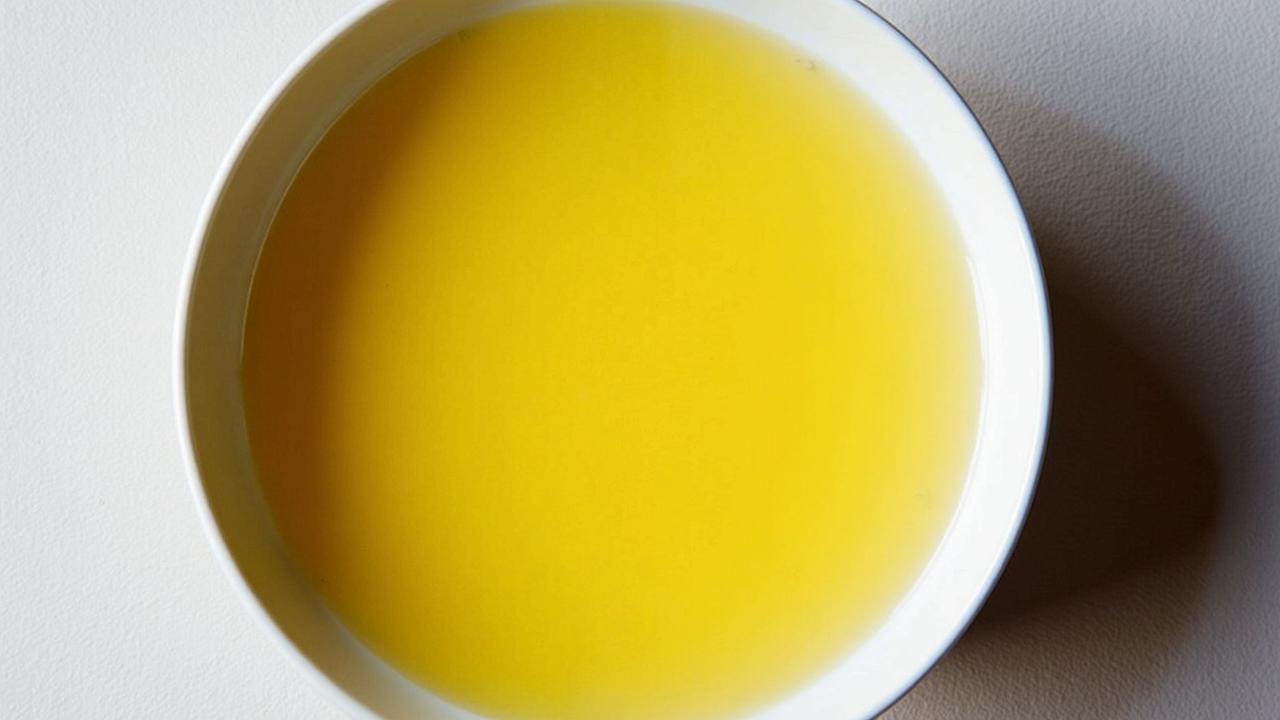
Clarified butter is essentially concentrated butterfat, with water, lactose and most milk proteins removed.
That small change in composition completely alters how it behaves in the pan. With the water and proteins out of the way, it stops burning so quickly, stays stable at higher temperatures and develops a deeper, nuttier taste.
Why chefs swear by it on the line
Professional kitchens need reliability as much as flavour. Clarified butter offers both, which is why it shows up from breakfast service to late-night tasting menus.
Higher smoke point, fewer disasters
Regular butter starts to brown and then burn at relatively low temperatures. That happens because the milk solids scorch. Clarified butter can be heated much higher before it smokes.
- Regular butter: begins to burn around 150–175°C (300–350°F)
- Clarified butter: can reach roughly 200–230°C (390–445°F) before smoking
That extra margin gives chefs more control when they sear scallops, finish a steak or pan-fry fish. Instead of blackened butter and bitter notes, they get an even, caramelised crust.
In practice, clarified butter behaves more like an oil in the pan, while keeping the comforting taste of butter.
Cleaner flavours on the plate
Because the milk solids are removed, clarified butter tastes rounder and slightly nutty, with fewer “dairy” notes. That allows the main ingredient to stand out.
➡️ Are bottled flavoured waters treated? 60 Millions de consommateurs experts shed light on the issue
➡️ Nationwide recall in France over sheep’s cheese contaminated with listeria
➡️ Tomato sauce too acidic? The Italian no-sugar trick that transforms the taste
➡️ Nationwide recall in France after goat’s cheese found contaminated with harmful bacteria
➡️ This simple trick finally stops your caramel from burning or crystallising
➡️ Here Are The Food Products Hit By The Mercosur Trade Deal
➡️ “These are not miracle teas and infusions”: Dr Cohen urges caution with these 4 products
Chefs use it to:
- Sear meat without masking its flavour
- Glaze vegetables with shine rather than grease
- Whisk into pan sauces for silkiness that does not split as easily
- Brush pastries and flatbreads for a crisp but tender finish
In a tasting menu context, where balance is everything, that clarity matters. A beurre blanc made with clarified butter, for instance, can feel lighter yet still indulgent.
Practical perks in a busy kitchen
There is also a logistical side. Clarified butter keeps longer than standard butter, especially in the fridge. With the water gone, there is less chance for microbial growth and off-flavours.
For restaurants, that means bigger batches, less waste and fewer surprise shortages mid-service. For home cooks, it means a jar that can sit in the fridge for weeks, ready to go for last-minute dinners.
A globetrotter: ghee, smen and beyond
Though it feels trendy in Western kitchens, clarified butter has deep roots in culinary traditions across the globe.
| Region | Name | Typical use |
|---|---|---|
| India, Pakistan, Bangladesh | Ghee | Cooking curries, frying, finishing lentils and rice |
| North Africa | Smen | Flavouring couscous, tagines, breads; sometimes aged for intensity |
| Middle East | Samna / samneh | Baking sweets, sautéing meats, enriching rice dishes |
In these cuisines, clarified butter is not just a technical trick. It is a pantry backbone. Ghee, in particular, is central to both cooking and traditional medicine in parts of South Asia.
Across cultures, the idea is the same: remove what burns, keep what flavours, and create a fat that can handle serious heat.
The taste profile shifts depending on how long the solids are cooked before removal. Lightly cooked ghee stays mild and buttery. Darker ghee, or aged smen, takes on strong roasted and fermented notes that can transform simple dishes like lentils or flatbread.
How to make clarified butter at home
You do not need special equipment or advanced skills. The real secret is low heat and patience.
Step-by-step method
From 250 g (about 2 sticks) of butter, you can expect roughly 180–200 g of clarified butter, depending on water content.
Storage and food safety
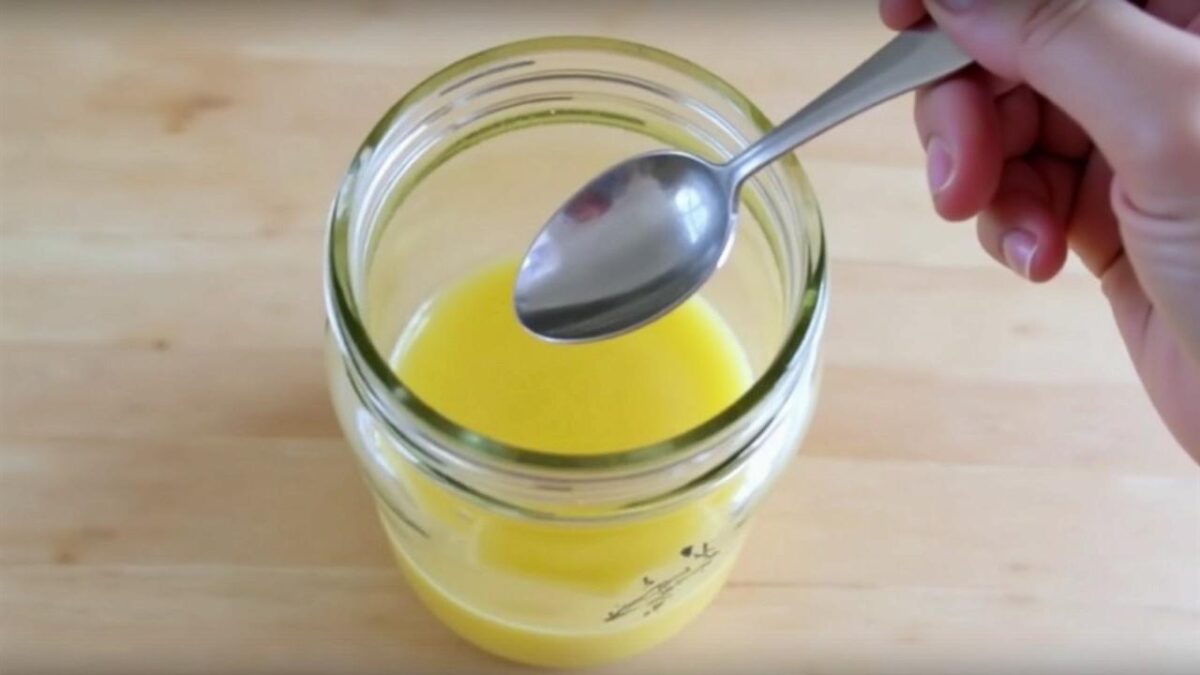
Kept in an airtight jar in the fridge, clarified butter can last several weeks. Some cooks also keep it at room temperature for shorter periods, as the lack of water slows bacterial growth. Still, cooler storage helps preserve flavour and avoids rancid notes.
Always use a clean, dry spoon to scoop from the jar. Any trace of water or food crumbs can shorten its life.
Where clarified butter shines in everyday cooking
Beyond chef’s tricks, clarified butter can quietly enhance routine meals.
For frying and roasting
Use it when you would normally reach for neutral oil but want a more indulgent taste. A few ideas:
- Pan-fried eggs with lacy, crisp edges and buttery aroma
- Roasted carrots or potatoes tossed in clarified butter and herbs
- Golden grilled cheese toasted in clarified butter for an even crust
- Panfried fish fillets where the butter flavour supports, not scorches, the delicate flesh
In baking and desserts
Clarified butter can change texture as well as taste. Brushed over filo pastry, it helps create distinct, crisp layers. In pancakes or crêpes, using it for cooking gives a subtle nuttiness and reduces the risk of smoking on a hot pan.
Some bakers even swap part of the regular butter in shortbread or tart bases for clarified butter, chasing a more pronounced toasted note and sandy crumb.
Health angles: lactose, digestion and fat profile
Because the milk solids are mostly removed, clarified butter contains very little lactose and casein. That makes it easier to tolerate for some people who react badly to regular dairy.
Clarified butter is not dairy-free, but for many people with mild lactose sensitivity, it can be gentler than standard butter.
Nutritionally, clarified butter is still a saturated fat. It brings calories just like other fats and should fit within overall dietary balance. Some studies suggest that the different fatty acids in dairy fat may have varied effects on cholesterol and inflammation, but the picture remains complex.
For those following certain eating patterns, such as low-carb or traditional Ayurvedic diets, clarified butter or ghee often occupies a central place as a cooking fat.
Common mistakes and how to avoid them
A few frequent slip-ups can turn a simple process into a smoky mess.
- Heat too high: rush the melting and the milk solids sink and burn, giving a bitter, dark result.
- Stirring constantly: this mixes the layers and makes separation harder.
- Over-filtering with pressure: squeezing the cloth forces cloudy solids through, reducing clarity and shelf life.
- Leaving residues in the jar: visible white flecks can shorten storage time and muddy flavour.
A gentle flame, a bit of stillness and a watchful eye are usually enough to get a clear, golden result on the first try.
Clarified butter in real-life cooking scenarios
Picture a weekday evening with only 20 minutes to cook. A spoonful of chilled clarified butter straight into the pan heats quickly and evenly. Toss in sliced mushrooms and garlic, then finish with a squeeze of lemon and parsley. The mushrooms come out glossy, browned at the edges, and without that tell-tale burnt dairy smell.
Or consider Sunday brunch. You are flipping pancakes one after another. With standard butter, the pan starts to smoke after a few batches and the last pancakes taste darker and slightly bitter. Using clarified butter, the heat stays consistent and every pancake looks and tastes like the first.
Related tips: choosing butter and pairing flavours
The base butter you choose shapes the final taste. A higher-fat, good-quality butter tends to produce clarified butter with a cleaner, more pronounced aroma. Salted butter can be used too, but the salt becomes more concentrated, so seasoning the final dish needs extra care.
Clarified butter pairs particularly well with ingredients that love gentle caramelisation: root vegetables, white fish, eggs, mushrooms and many spices. In spice-heavy cooking, it works like an aromatic carrier, helping fat-soluble flavours from paprika, cumin or turmeric bloom fully when they hit the warm fat.