French food authorities have triggered a nationwide alert over a batch of artisan cheese, sparking concern among fans of goat’s milk products.
The recall targets a specific goat’s cheese sold across France in recent weeks, after tests showed bacterial contamination that could cause serious illness, particularly in vulnerable people. Regular consumers of soft and semi-soft cheeses are being urged to double-check their fridges and receipts.
What product is being recalled across France?
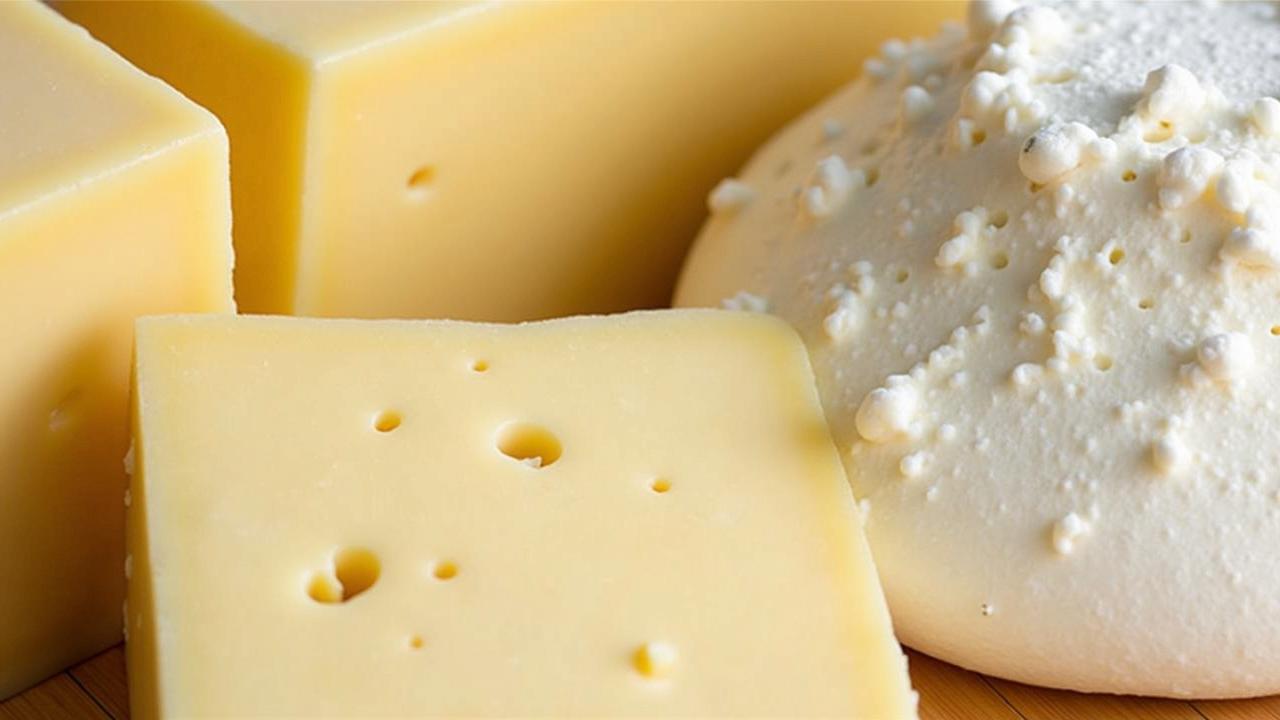
The alert concerns a small-format goat’s cheese known as a “tommette”, made with goat’s milk and sold under the brand La Ferme de Liègue.
This is a national recall of La Ferme de Liègue’s “Bêêle des prés” goat’s tommette, sold between early December 2025 and late January 2026.
According to the official Rappel Conso notice, the cheese:
- Is a goat’s milk tommette called “Bêêle des prés”
- Carries the brand name “La Ferme de Liègue” on the label
- Is sold wrapped in film and pre-labelled
- Was on sale from 5 December 2025 to 26 January 2026
This is not a supermarket-only issue. The tommette travelled through a network of specialist outlets and intermediaries, including butchers, caterers and wholesalers. Businesses listed in the recall include Aumand, Ouest Frais, La boucherie du coin, SAS du Bignon, La Fée Cochette and Olivier Jouteau. Customers may have bought the cheese sliced, whole, or as part of mixed cheese boards ordered from these shops.
How to identify the affected goat’s cheese
Consumers are asked to look at both the label and the lot number printed on the packaging. Only specific batches are involved, all linked to the same reference.
| Product | Brand | GTIN code | Use-by date | Concerned lots |
|---|---|---|---|---|
| Goat’s milk tommette “Bêêle des prés” | La Ferme de Liègue | 3770026529294 | 11/03/2026 | CTB031125, CTB041125, CTB051125, CTB291025, CTB121125, CTB191125, CTB261125, CTB281125, CTB291125 |
If the label shows the GTIN code 3770026529294 and one of the batch numbers listed above, the cheese falls under the recall notice. The recommended use-by date for the affected cheese is 11 March 2026, so plenty of products could still be in home fridges or in stock in restaurants and delicatessens that have not fully checked their supplies.
Any goat’s tommette “Bêêle des prés” with a use-by date of 11 March 2026 and one of the listed batch codes should not be eaten under any circumstances.
Why the goat’s cheese is considered unsafe
Tests carried out on samples from these batches showed microbiological contamination by Listeria monocytogenes, the bacterium that causes listeriosis. This pathogen can survive and grow in chilled foods, which makes soft and semi-soft cheeses a recognised risk category when hygiene slips.
➡️ Why chefs swear by clarified butter to elevate their dishes – and how to make it
➡️ Ramadan: why supermarkets ramp up offers and promotions every year
➡️ Fewer diners in French restaurants? Here’s what’s really keeping people at home
➡️ Rodent droppings and carcasses: Yvelines hypermarket butcher counter reopens after shocking closure
➡️ This Moulinex bread maker with 17 automatic programs just lost a quarter of its price on Amazon
➡️ Cakes with 2 ingredients, so simple you won’t believe they work… yet the results are astonishing
➡️ One ordinary ingredient is all you need for a puffy, restaurant-style omelette
➡️ Here Are The Food Products Hit By The Mercosur Trade Deal
Listeriosis is relatively rare, but it can be severe. Symptoms often start with a sudden fever. Many people also experience muscle aches, sometimes described as strong flu-like pains, and headaches. Digestive problems such as nausea or diarrhoea may appear as well.
The biggest concern is for those whose immune system is weaker or still developing. That includes pregnant women, older adults, people with underlying illnesses, and anyone on immunosuppressive treatment. In these groups, the infection can lead to complications such as blood poisoning or meningitis, and in pregnancy it can affect the unborn baby.
What to do if you have eaten the cheese
French authorities advise anyone who has consumed the recalled cheese and feels unwell to seek medical advice promptly, mentioning the potential exposure to Listeria. Symptoms can start a few days after eating the contaminated food, but in some cases they may appear several weeks later.
People who ate the cheese and develop fever, aches or headaches should contact a doctor without delay and report the suspected cheese exposure.
Those who are pregnant are usually recommended to contact their midwife or doctor even if symptoms seem mild, as listeriosis can be harder to spot in pregnancy and the consequences can be serious.
What consumers should do with the recalled cheese
Anyone who still has the affected goat’s tommette at home is urged not to taste it “just to check”. Listeria does not change the taste, smell or appearance of food in any obvious way, so a cheese can look perfectly fine and still be contaminated.
Official advice in France is clear:
- Do not consume the cheese
- Keep it away from other ready-to-eat foods to avoid cross-contamination
- Return it to the point of purchase by Thursday 26 March 2026
- Ask for a refund; this is part of the recall procedure
A dedicated phone number, 06 21 00 34 42, has been provided for further information on the recall and the refund process. While this hotline is aimed at consumers in France, it also shows how seriously such incidents are handled, including for foreign visitors who may have bought the cheese while travelling.
Why goat’s cheese is involved, and what that means for consumers
Goat’s cheeses hold a special place in French food culture. They are often praised for their digestibility and distinctive tang, and they come in many shapes and levels of maturity. That same variety can also bring a wider range of production methods, from small farms to semi-industrial dairies, each with different hygiene challenges.
Soft and semi-soft cheeses made from raw milk, or only lightly processed milk, can contain more natural bacteria. When hygiene and temperature control are meticulous, these microbes contribute to flavour and texture. When controls fail, harmful species such as Listeria can take hold.
Artisan cheese can be both a culinary treasure and a food safety challenge, which is why surveillance and recalls exist.
This recall does not mean goat’s cheese as a whole is unsafe. It highlights how a targeted problem is managed rapidly, batch by batch, using traceability codes. For consumers, the lesson is straightforward: always check labels, especially when warnings appear in the news or on official alert platforms.
How listeriosis spreads and who faces the biggest risk
Listeria monocytogenes is naturally found in the environment, including soil and water. In food production, it can enter dairies through raw milk, contaminated surfaces, or equipment that is difficult to clean. Once it settles in a cold room or on processing lines, it can persist if cleaning routines are not strict enough.
Healthy adults may ingest small amounts without becoming seriously ill, sometimes mistaking mild symptoms for a passing bug. The situation changes sharply for certain groups:
- Pregnant women: risk of complications for the fetus
- People over 65: increased chance of severe infection
- Patients with chronic illness: such as diabetes, cancer or liver disease
- Immunocompromised individuals: for example after organ transplantation
Public health agencies often advise these groups to limit or avoid certain high-risk foods, including unpasteurised soft cheeses, refrigerated pâtés and ready-to-eat smoked fish. The current recall fits within that wider pattern of risk management rather than representing an isolated event.
Practical food safety habits for cheese lovers
For people who enjoy French cheeses, a few habits can lower the odds of running into problems like this recall. Keeping the temperature of the fridge below 5°C helps slow the growth of bacteria. Storing soft cheeses away from raw meat or unwashed vegetables reduces cross-contamination. Eating products before their use-by date, rather than stretching them, also matters, especially for vulnerable individuals.
When choosing cheeses, checking whether the milk is pasteurised can guide decisions for pregnant women and others in high-risk groups. Many producers clearly indicate “made with pasteurised milk” on the label. Others proudly state “raw milk”, which may appeal to connoisseurs but requires extra care in those more vulnerable groups.
Food recalls like this one can feel worrying, yet they also show that monitoring systems are working. From routine microbiological testing at dairies to national databases such as Rappel Conso, each link in the chain is designed to catch problems before they turn into large outbreaks. For consumers, paying attention to these alerts and acting quickly when a product in the fridge matches the description remains a key part of staying safe while still enjoying the rich variety of cheeses on offer.