Cold potatoes, lonely cheese slices, a few curls of cured meat: the quiet aftermath of a once lavish raclette night.
The table is cleared, the guests are gone, and what remains is a fridge full of half-portions that don’t quite make a meal on their own. Instead of sliding them into a plastic box and forgetting them for a week, there’s a smarter, more comforting way to turn those scraps into a new dinner worth looking forward to.
The quiet scandal of raclette waste
Raclette has become a winter ritual from the Alps to urban flats: a mountain of cheese, a pile of potatoes, and far too much charcuterie. Hosts intentionally buy big, fearing the ultimate social crime – running out of melted cheese. The result is predictable.
Once the grill is switched off, the remains tell a familiar story. Three or four slices of cheese. Two potatoes, already cooked. A handful of ham and salami. A few pickles. Not enough to restart the raclette machine. Far too much to justify throwing away.
Across just one evening, a typical household can easily end up with around 350 grams of raclette leftovers heading towards the bin.
Those scraps might feel insignificant, but they add up. Cheese production consumes water, energy and animal feed. Potatoes need land, storage and transport. When those products go straight from fridge to rubbish, every step in that chain has been for nothing.
From sad box to star dish
The problem is rarely the lack of food. It’s the lack of a plan. By the time Monday rolls around, last Saturday’s raclette tray has lost its glamour. The cheese looks stiff, the potatoes seem dull, and the cold meats are curled at the edges.
Yet these ingredients are perfectly suited to a second life. They’re already cooked or sliced. They’re full of flavour and fat, which means they shine once reheated. What they need is a new format – and a bit of oven magic.
The simplest tactic: stop thinking of them as “leftovers” and treat them as the base for a gratin, pie or toastie.
The one-pan method that changes everything
Turn everything into cubes
The most effective strategy is also the least fussy: chop everything and put it in one dish. No weighing, no strict recipe, just rough proportions.
➡️ Cakes with 2 ingredients, so simple you won’t believe they work… yet the results are astonishing
➡️ Fewer diners in French restaurants? Here’s what’s really keeping people at home
➡️ Are bottled flavoured waters treated? 60 Millions de consommateurs experts shed light on the issue
➡️ Paris boils over: the world’s most Michelin-starred female chef opens a dream restaurant
➡️ Low-calorie, this rustic dish is back: it wins over Laurent Mariotte and buries gratin dauphinois
➡️ Ramadan: why supermarkets ramp up offers and promotions every year
➡️ The jury still can’t believe it: these two French brothers just won the pastry world championship
- Cut cooked potatoes into small cubes.
- Slice raclette cheese into strips or chunks.
- Shred any charcuterie, or swap in smoked tofu or leftover roast vegetables.
- Optionally add pickles, sliced finely for a sharp kick.
In a pan, gently fry a sliced onion in a little butter or oil until soft and golden. This adds sweetness and depth that tie the dish together.
Bind, bake, and let the oven work
Tip the potatoes, cheese, onion and chopped bits into a baking dish. Pour over a splash of cream, dairy or plant-based, just enough to coat rather than drown. Season with black pepper; salt usually isn’t needed because raclette cheese and charcuterie are already salty.
Slide the dish into a hot oven at around 200°C (about 390°F) for 15 minutes. The cheese melts, the cream bubbles, and the top takes on those browned edges that make people hover near the oven.
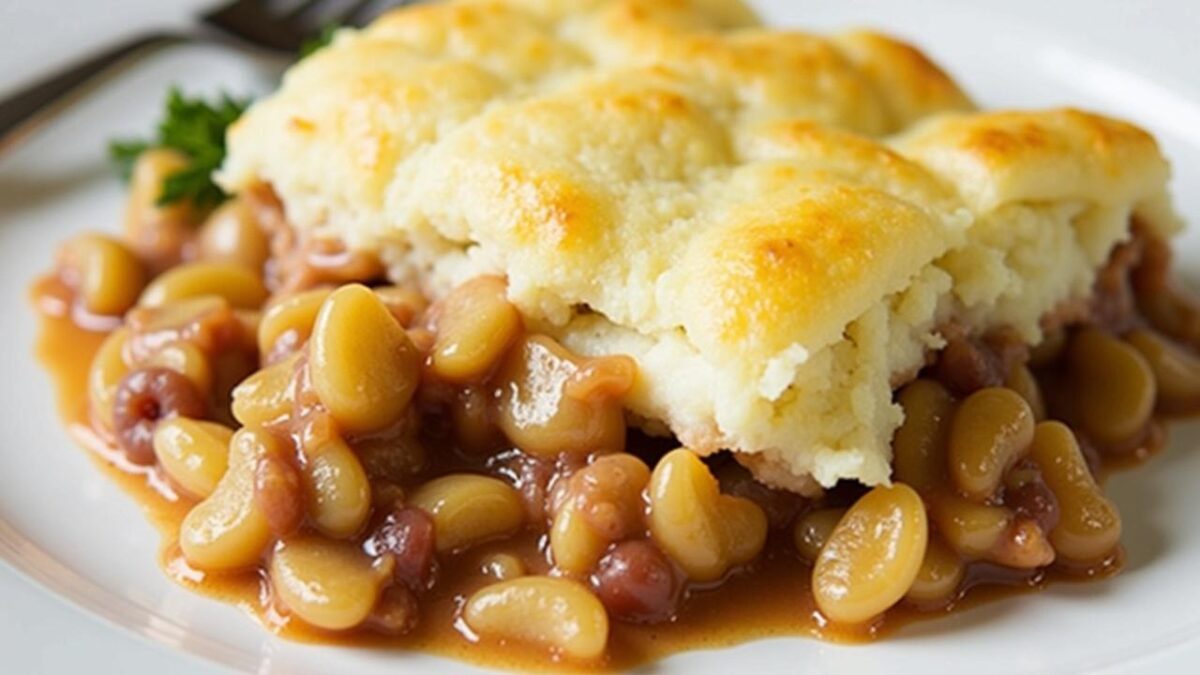
What began as a clutter of unloved scraps comes back out as a bubbling, family-style gratin that feels more like a Sunday treat than a rescue mission.
Other fast ways to reuse raclette leftovers
From grill party to weekday staples
If your oven is already busy, or you simply fancy something lighter, raclette leftovers adapt well to several formats. Think quick and informal.
| Leftover type | Quick reuse idea |
|---|---|
| Slices of raclette cheese | Layer into toasties or grilled cheese sandwiches, with cornichons for acidity. |
| Cooked potatoes | Pan-fry into crisp hash with onions and bits of ham or mushrooms. |
| Charcuterie | Chop and stir into omelettes, quiches or savoury muffins. |
| Mixed small portions | Throw into a frittata with eggs and herbs for an easy lunch. |
Many households also stretch their raclette into lunchboxes. A slice of potato gratin with a green salad travels well to the office and avoids another supermarket meal deal.
Health, balance and the post-raclette day
Raclette is unapologetically rich. Melted cheese, cured meats and starchy potatoes make for a heavy hit of fat and salt. That doesn’t mean leftovers must carry the same weight.
Turning scraps into a gratin or toasties gives you a chance to rebalance the plate. Add roasted carrots, broccoli or leeks into the mix. Serve the dish with a big bowl of crunchy salad and a sharp vinaigrette. The acidity cuts through the richness, and the extra fibre helps your body handle a hearty meal.
The smartest “next day” strategy is not punishment, but contrast: lighter sides, more vegetables, lots of water and a walk if the weather allows.
Food safety: how long can raclette leftovers last?
Once the raclette grill cools, timing matters. Leftovers should be packed and put in the fridge within two hours. The cheese and charcuterie have already spent time at room temperature, so they’re more fragile than unopened packs.
Most cooked potatoes and opened cheese slices will keep safely in the fridge for about three days. Charcuterie is more variable, but using it within three to four days is a decent rule. If anything smells sour or looks slimy, it doesn’t belong in your next gratin.
Why planning one extra dish changes your whole raclette ritual
Thinking about the “day after” raclette when you shop shifts the whole dynamic. Instead of asking, “Will this be enough for tonight?”, ask, “What could this become tomorrow?” Two extra potatoes suddenly make sense. A small pot of cream is no longer a maybe; it’s the glue for tomorrow’s bake.
Imagine the scene: Saturday evening, the classic raclette feast. Sunday, a quick gratin slid into the oven while you read or sort laundry. Same ingredients, twice the comfort, much less guilt.
For those trying to control food costs, this simple habit matters. Using those 350 grams of leftovers is like getting an extra meal for free. Over a winter, that could mean several family dinners saved from the bin and a noticeable dent in waste.
A few terms and habits that make a difference
The French notion of “cuisine du quotidien” – everyday cooking – sits behind this approach. It’s less about elaborate recipes and more about making the most of what’s there, with minimal effort and maximum warmth.
Raclette leftovers fit perfectly into that mindset. They don’t need chef-level technique, just a willingness to dice, stir and bake. Keeping a small set of basics on hand – onions, cream or a plant-based alternative, a bag of salad leaves, some herbs – turns what used to be an awkward box at the back of the fridge into a reliable second dinner.
Once that habit is in place, raclette becomes more than a one-night indulgence. It turns into a two-day ritual: the party, then the cosy, low-effort meal that follows, with far less food wasted in between.