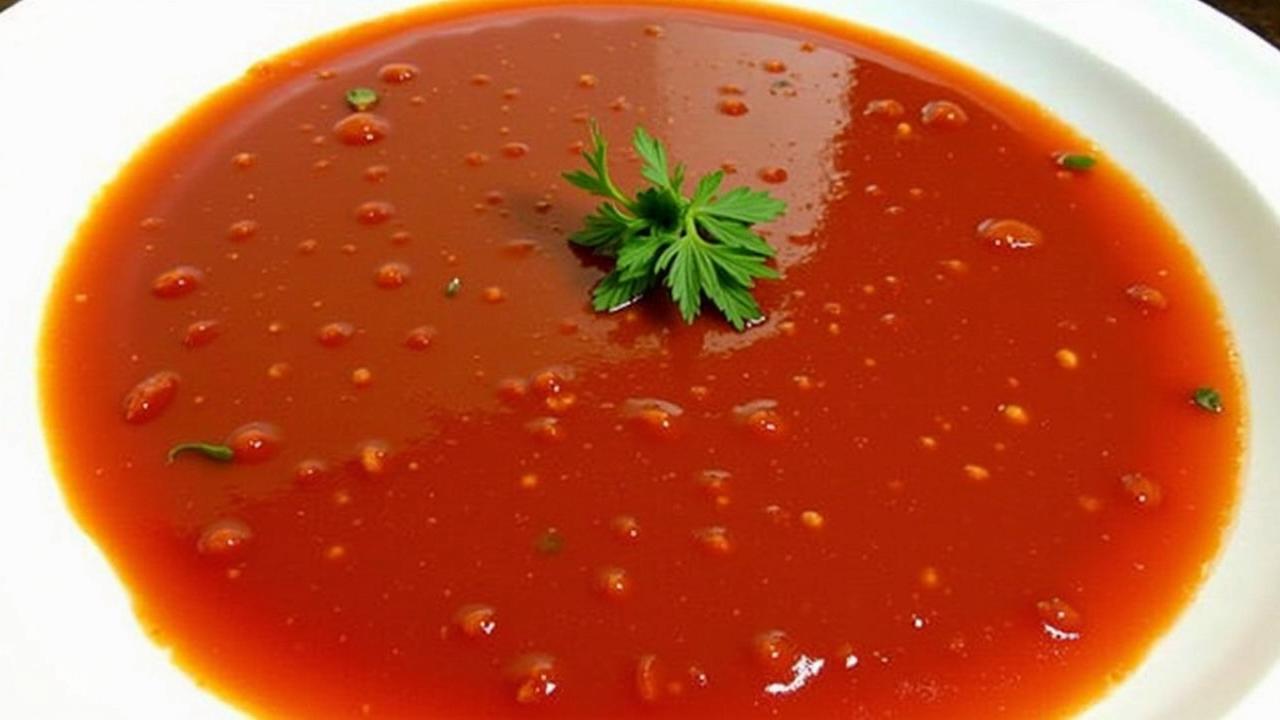
That homemade tomato sauce smells incredible, the pasta is ready, yet one spoonful tells you something’s off: harsh acidity.
Plenty of home cooks reach for the sugar jar at that point, convinced a teaspoon or two will save the pan. Italian cooks have a very different reflex, and it comes from everyday kitchen wisdom rather than a fancy chef’s secret.
Why your tomato sauce suddenly tastes so sharp
Tomatoes are naturally acidic, but that acidity doesn’t stay constant. It swings depending on variety, ripeness and season. Out-of-season or underripe tomatoes can taste aggressively tangy once cooked down, especially if you reduce the sauce for a long time.
That sharpness jumps out even more when you keep the ingredient list short: tomatoes, olive oil, onion, garlic, maybe basil. There is nowhere to hide. A splash of wine or a handful of capers can push the sauce over the edge.
When a sauce tastes “too acidic”, the real issue is usually balance, not the tomato itself.
Acidity is not a flaw in tomato sauce. It brings life and freshness. The problem comes when the sour notes drown out the natural sweetness and fruitiness. The goal is harmony, not a flat, sugary “ketchup-style” taste.
Why Italians side-eye the sugar fix
Adding white sugar does technically work. It dulls the acid and makes the sauce feel rounder. But the trade-offs are real.
- Sugar masks flavour rather than correcting it.
- It can push the sauce toward a dessert-like sweetness.
- It adds to an already high background of hidden sugars in everyday food.
For many Italian home cooks, dropping sugar into a pan of tomato sauce feels like cheating. The sauce becomes less about the tomatoes and more about compensation. Instead of coaxing out what’s there, you’re covering it up.
The Italian approach focuses on shifting the sauce’s natural balance, not sprinkling sweetness on top of a problem.
That’s where a humble vegetable steps in and quietly changes the entire profile of the dish.
➡️ Nationwide recall in France over sheep’s cheese contaminated with listeria
➡️ Have you ever tried cloud eggs? This light way to cook them
➡️ Fewer diners in French restaurants? Here’s what’s really keeping people at home
➡️ Intermarché: it’s official, the wolf from the advert is becoming the supermarket’s mascot
➡️ “These are not miracle teas and infusions”: Dr Cohen urges caution with these 4 products
➡️ People Can’t Believe The Real Difference Between “Pork” And “Pig”
➡️ Fruit recall at Intermarché, Grand Frais, Fresh and others over pesticide limit breach
The carrot: an old-school Italian fix hiding in plain sight
The trick doing the rounds on Italian social media is surprisingly simple: use a carrot. Not grated on top, not caramelised separately. Just a piece simmered directly in the sauce.
Carrots carry naturally occurring sugars and a gentle earthy sweetness. When they slowly cook in tomato sauce, those sugars seep out and soften the acidity without turning the sauce candy-sweet.
How the carrot method actually works
Think of the carrot as a natural sweetener and a sponge at the same time. As it cooks:
- Its fibres break down, releasing mild sweetness.
- The sweetness spreads through the sauce, rounding sharp edges.
- The tomato flavour stays clean and recognisable.
A single chunk of carrot can shift your sauce from sharp and aggressive to mellow and balanced, without a grain of sugar.
This isn’t a restaurant-only move. It’s the kind of quiet trick a nonna passes down in the kitchen, often without even mentioning it as a “tip”. The carrot just goes in with the onions and nobody makes a fuss.
Step-by-step: the Italian no-sugar method
Choosing the carrot and when to add it
The method is forgiving, but a few details help you get consistent results.
| Element | What to do |
|---|---|
| Type of carrot | Use a regular orange carrot, firm and sweet, not woody or limp. |
| Size of piece | Start with a chunk 3–5 cm long; larger pieces give more sweetness. |
| When to add it | Add right after sautéing onion/garlic, before the tomatoes. |
| Cooking time | Let it simmer in the sauce for at least 20–30 minutes. |
| Taste checks | Sample every 10 minutes and stop when the acidity feels right. |
Start your sauce as usual: warm olive oil, soften onions, maybe a clove of garlic. Then pop in the carrot piece, stir it around for a minute, and add your tomatoes. Let everything bubble gently.
Mix it in or fish it out? Two Italian “teams”
This is where opinions split in Italian kitchens. Once the sauce is ready, you have two options.
Team smooth: blend the carrot into the sauce
If you prefer a silky sauce that clings to pasta, blending the carrot is the way to go. Use a hand blender directly in the pan, or transfer to a jug blender if you want a very even texture.
Blending the carrot gives extra creaminess and a more noticeable soft sweetness, while keeping the colour vibrant.
This style works especially well for lasagne, smooth pizza sauces and dishes where you don’t want visible vegetable pieces.
Team purist: remove the carrot before serving
Some cooks want the tomato flavour as direct as possible. For them, the carrot is a tool, not an ingredient. They simply scoop it out before dressing the pasta.
You still gain the balancing effect, but the carrot doesn’t appear on the plate. This option suits chunky sauces with visible pieces of tomato, where you want a rustic look.
Adjusting for different tomatoes and cooking styles
Not every batch of tomatoes needs the same fix. The carrot method is flexible.
- Very acidic, winter tomatoes: use a larger carrot piece and a longer simmer.
- Sweet, summer tomatoes: use a smaller piece or shorten the cooking time.
- Slow-cooked ragù: leave the carrot in for the entire cook, then blend.
- Quick 15-minute sauce: slice the carrot thinner so it releases flavour faster.
If your sauce still feels too sharp after using a carrot, you can adjust with a pinch of salt, a drizzle of good olive oil, or a splash of starchy pasta water, which softens the mouthfeel.
Beyond carrots: other Italian tricks for balancing acidity
Italian home cooking uses several quiet techniques to keep tomato sauces gentle without turning them sugary.
- Onion soffritto: Slowly cooked onion adds natural sweetness and depth.
- Olive oil: A generous final drizzle gives a richer, softer finish.
- Butter “mantecatura”: A small knob at the end smooths out rough edges.
- Long, gentle simmer: Time lets flavours marry and acidity mellow.
These moves often appear together. A carrot on its own helps, but combined with a proper soffritto and patient simmering, it can transform a basic sauce into something you’d happily serve to guests.
What “acidity” and “sweetness” really mean on your tongue
When people complain about “acidic” sauce, they’re reacting to more than just chemistry. Acidity translates as brightness and tang. In the right amount, it cuts through fat and keeps each forkful interesting.
Sweetness doesn’t only come from sugar crystals. It also arises from cooked onions, carrots, and even long-simmered tomatoes themselves. The balance between these two sensations makes a sauce feel comforting instead of tiring.
The carrot trick works because it nudges that balance gently, instead of blasting sweetness on top of sourness.
For anyone trying to reduce added sugar without giving up favourite pasta nights, this small Italian adjustment offers a practical path. Next time a simmering sauce hits you with that sharp, metallic edge, you may find the answer isn’t in the sugar jar at all, but in the vegetable drawer, waiting quietly in the shape of a carrot.