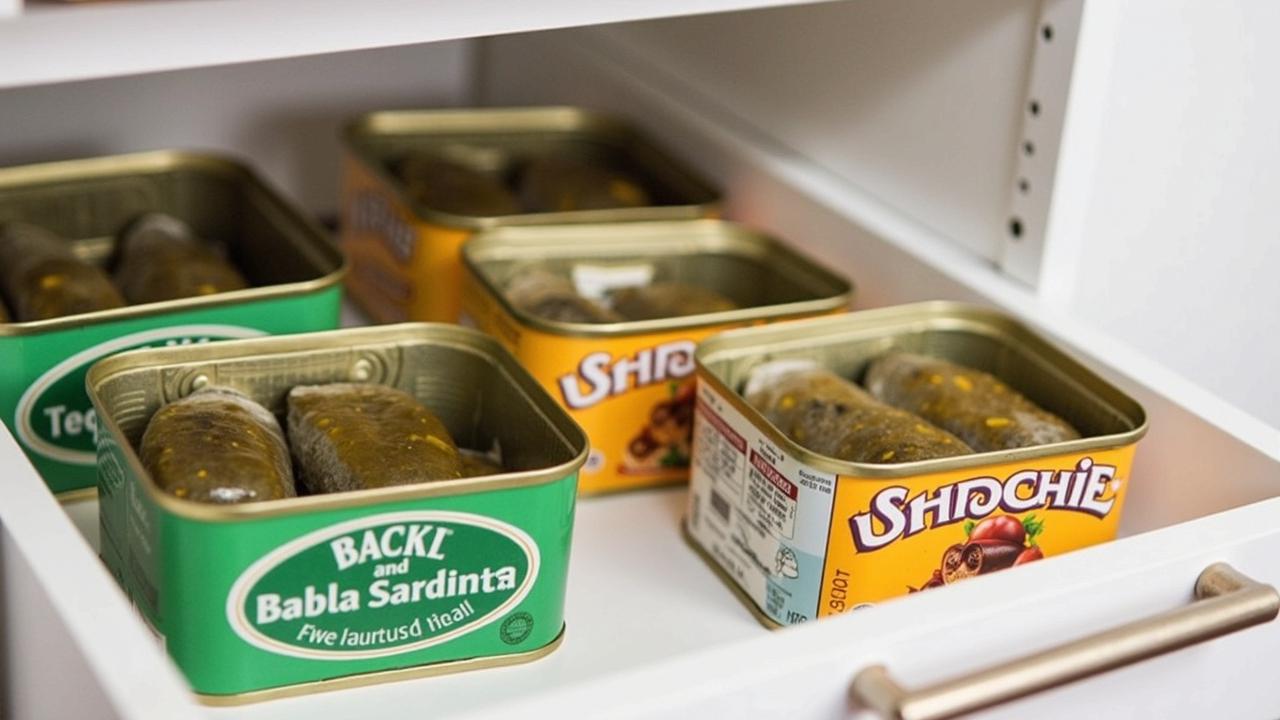
In countless kitchen cupboards sits a quiet stash of tinned fish, waiting months or years for its big moment.
Most of us stack those tins, forget them, then crack one open on a rushed evening. Yet a tiny, almost old-fashioned gesture – regularly flipping your sardine tins – can change what you find inside, both in taste and texture.
Why sardines in tins are more than a backup dinner
Tinned sardines often get treated as emergency food, but nutritionally they’re closer to a premium health product. These small oily fish deliver a dense package of omega‑3 fatty acids, high‑quality protein, and important vitamins such as vitamin D and B12. They also bring minerals like calcium (when you eat the bones), phosphorus and selenium.
Regularly eating oily fish such as sardines, mackerel or certain types of tinned tuna supports heart and brain function. Omega‑3s contribute to maintaining normal cholesterol levels and may help limit inflammation in the body. For people who rarely eat fresh fish, tins can fill a serious nutritional gap.
Sardine tins are not just pantry fillers: treated well, they quietly mature and can turn into a richer, more delicate product.
Why you should flip your sardine tins
The basic idea is simple: every few months, turn the tins so the side that was facing up now faces down. That’s it. No gadget, no special shelf, just a small piece of care.
Oil, gravity and an uneven soak
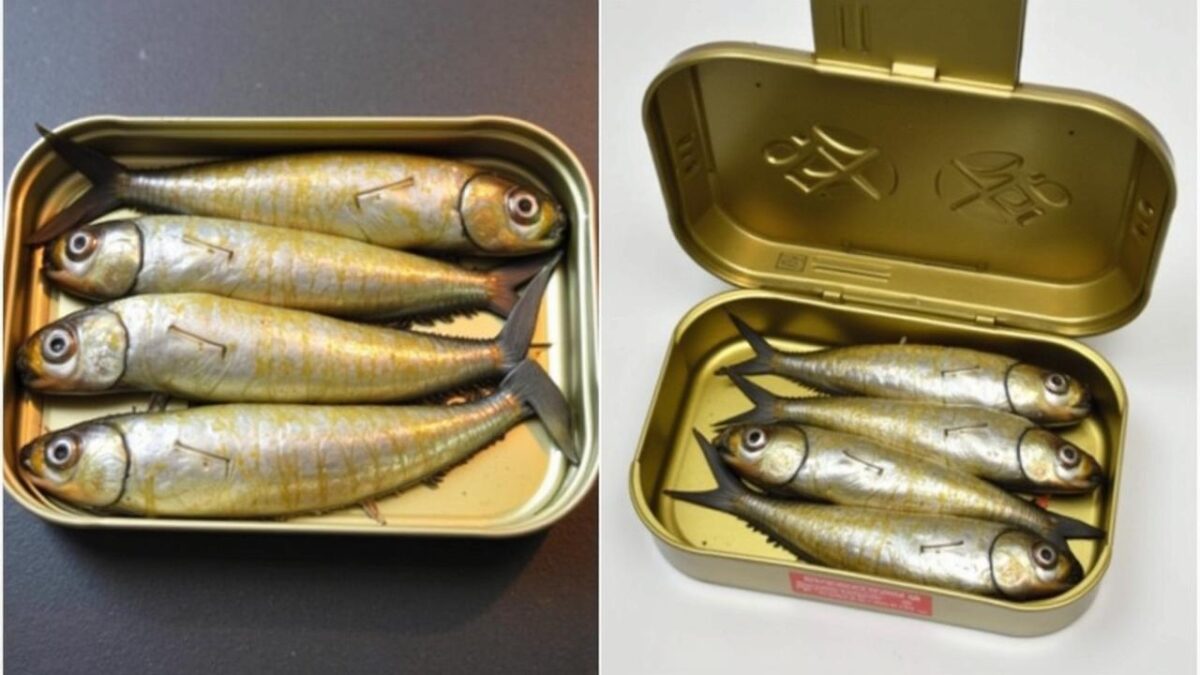
Inside the tin, the sardines rest in oil or sometimes in a sauce. Over time, gravity keeps pulling that liquid down. The bottom layer of fish stays fully bathed, while the top layer can be less immersed.
If the tins remain in the same position for years, one side of the fish may gradually dry out. The top layer can become slightly firmer or less silky, while the bottom pieces sit in a thicker concentration of oil and flavour.
Flipping your tins every six months helps the oil circulate, so each side of the fish gets the same chance to soak and soften.
A slow “ageing” process
Enthusiasts sometimes speak of “vintage” sardines. In some European countries, people deliberately keep high‑quality tins for several years. During this period, the fish and the oil interact slowly, rounding out the flavour and softening the texture.
➡️ Low-calorie, this rustic dish is back: it wins over Laurent Mariotte and buries gratin dauphinois
➡️ Rodent droppings and carcasses: Yvelines hypermarket butcher counter reopens after shocking closure
➡️ Nationwide recall in France after goat’s cheese found contaminated with harmful bacteria
➡️ Intermarché: it’s official, the wolf from the advert is becoming the supermarket’s mascot
➡️ The jury still can’t believe it: these two French brothers just won the pastry world championship
➡️ Cooking your pasta with the heat off? Here’s why this method will become the norm in 2026
➡️ No, I never choose the same onion for every dish, this one transforms my salads
Regularly turning the tins encourages a more even maturation. The oil redistributes. Aromas diffuse more uniformly. Instead of one side being overly compact and the other slightly mushy, the flesh stays more consistent all the way through.
This doesn’t turn a cheap product into a luxury one, but it can make a good tin taste noticeably more balanced.
How often should you flip your sardines?
Food specialists often suggest every six months as a practical rhythm. That works well for people who buy in bulk or keep a small collection of tins for the long term.
- Mark the month of purchase on the top of the tin with a pen.
- Every six months, when you clean or rearrange your cupboard, flip each tin.
- Keep the writing visible so you still know which tins are older.
If your tins rarely stay untouched for that long, you don’t need to obsess. But for the boxes that slip to the back of the cupboard, that half‑yearly quarter‑hour of flipping makes sense.
Where and how to store sardine tins
Storage conditions make as much difference as flipping. Tins prefer stability and darkness, not heat and sunlight.
| Storage factor | Best practice |
|---|---|
| Light | Keep tins in a dark cupboard or pantry away from windows. |
| Temperature | A cool, stable place is ideal; avoid spots near ovens, radiators or hobs. |
| Humidity | Choose a dry area; prolonged damp can encourage rust on the tin. |
| Position | Lay tins flat rather than on edge, then flip them periodically. |
A cellar with no big temperature swings can be ideal. A simple kitchen cupboard away from the cooker works well too. Avoid storing tins on top of the fridge, where heat and vibration are constant.
How long can sardines in tins really last?
The date printed on a tin is usually a “best before” mark, not a strict safety limit. With properly sterilised products, the contents stay microbiologically stable for a very long time as long as the can remains intact.
In many cases, quality sardine tins can be kept for several years beyond the indicated date if:
- the tin is not dented
- there are no signs of rust, especially along the seams
- the lid is not swollen or distorted
- there is no leakage or sticky residue on the outside
At the first sign of a swollen, badly dented or heavily rusted tin, the safest option is simple: do not eat it.
While the contents might still be fine, the risk of contamination or a damaged seal is not worth taking. Throwing away a suspicious tin is cheaper than dealing with a bout of food poisoning.
What actually happens inside an ageing sardine tin?
From a technical point of view, the fish is already cooked and sterilised when the tin leaves the factory. Over time, tiny chemical reactions continue. The proteins relax, the connective tissues soften and the flavours in the oil and fish mingle.
Because oxygen levels inside the sealed tin are low, the process is slow. That’s why some connoisseurs keep tins for three, five, sometimes ten years. They describe the result as creamier and more delicate, with the bones practically melting into the flesh.
The catch: this controlled ageing assumes good storage, occasional flipping and a high‑quality product to start with. Very cheap tins with lower‑grade oil or excessively salty brine age less gracefully.
Practical scenarios: how this matters in a real kitchen
Imagine two cupboards:
- In the first, tins are stacked upright for years near the oven, never moved, under direct kitchen light.
- In the second, tins lie flat in a cool, dark cabinet and get flipped twice a year.
Open a three‑year‑old tin from each cupboard and differences appear. The badly stored tin may have slightly tougher fish on one side, uneven colour, sometimes even a faint metallic off‑note if the can has suffered. The carefully kept tin is more likely to offer a uniform texture, well‑distributed oil and a smoother flavour.
This might sound like detail for food obsessives, yet for people who rely on tins for quick meals or who enjoy them as a treat, the contrast is noticeable on the plate.
Safety checks and small risks to watch
While properly sterilised sardine tins are low risk, a few quick checks are worth building into your routine:
- Inspect the tin: no deep dents, especially around edges; no heavy rust; no swelling.
- Smell on opening: a sharp, metallic or rotten smell is grounds to throw it away.
- Look at the contents: the oil should be clear or slightly cloudy when cold, not foamy or oddly discoloured.
If anything feels off, don’t argue with your nose or eyes. The small cost of a replacement tin beats the health risk.
Turning flipping into a simple household habit
For people with a decent stock of tins, a practical trick is to add “rotate tins” to a recurring to‑do list: for example every March and September. That way, the action becomes as routine as changing smoke alarm batteries or cleaning the fridge.
You can also organise your shelves with the older tins in front. That encourages you to use up the ones that have already benefited from months or years of gentle maturation, instead of constantly reaching for the newest purchase.
Related ideas for getting more from tinned fish
Once you start treating your sardine tins with a bit more respect, other tinned fish follow naturally. Mackerel in olive oil, anchovies, even certain tunas also react well to careful storage and occasional flipping.
Using them well matters too. A tin that has been quietly ageing in the dark deserves more than a rushed fork straight from the can. Think of simple plates: sardines on toasted sourdough with lemon and herbs, stirred into warm pasta with garlic and parsley, or laid over boiled potatoes with a mustardy dressing. The better the storage, the more nuanced those dishes will taste.
For anyone building a thrifty yet high‑quality pantry, understanding this small ritual of flipping tins can change how you shop and how you eat. A few seconds of attention every six months pay back later, when you open a tin and find not just preserved fish, but something close to a carefully matured ingredient.