The shy cartoon wolf who melted French hearts at Christmas is about to take on a much bigger role for Intermarché.
After weeks of online buzz and fan theories, the French supermarket group has confirmed that the animated wolf from its hit “mal-aimé” advert will no longer appear just once a year: he is being promoted to full-time brand mascot.
The Christmas advert that turned a predator into a hero
At the end of 2025, Intermarché released an animated film that felt more like a short movie than a standard supermarket spot. Created with the French studio and agency Illogic, the advert followed a lonely wolf wandering through a forest, feared by every animal he meets.
He wants friends, but he also wants to eat them. The character is presented as a real carnivore, trapped by his instincts and reputation.
The “mal-aimé” wolf is a classic fairy-tale villain recast as a relatable outsider who decides to change to break his isolation.
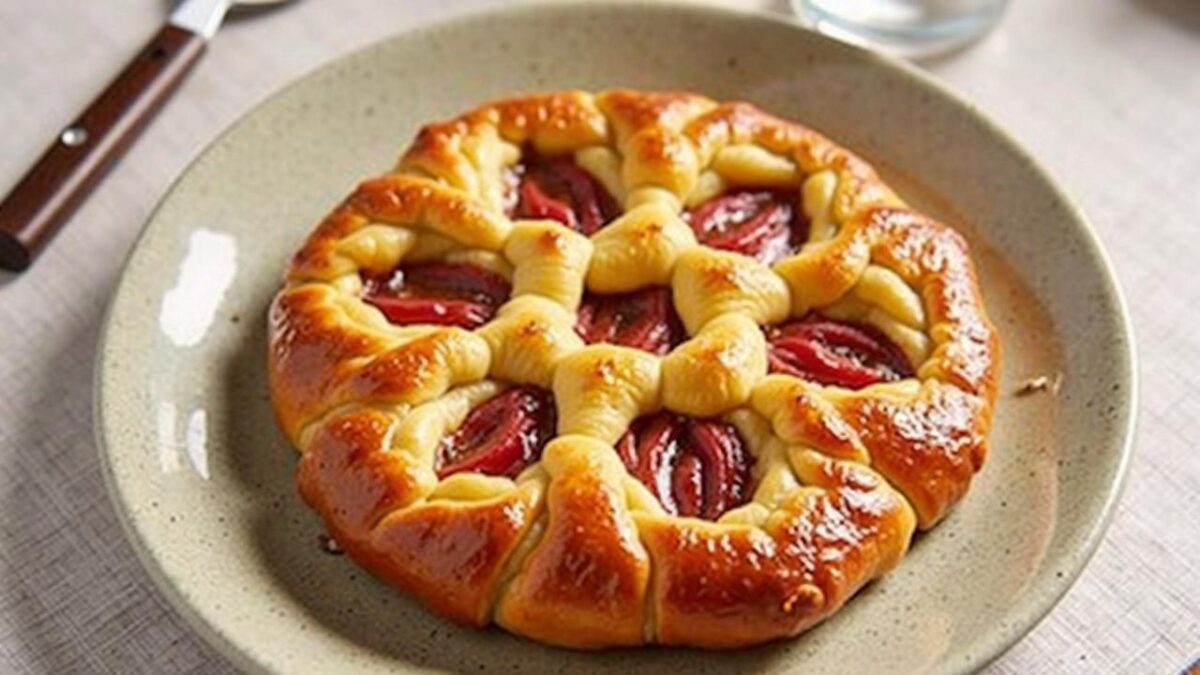
Unable to stand being alone any longer, the wolf makes a radical decision. He turns away from hunting and starts learning to cook vegetables instead. Viewers watch him chop carrots, peel leeks and slice mushrooms, testing quiches, soups and gratins in a tiny, warmly lit kitchen.
Over time, he becomes a talented cook, mastering dishes that look worthy of a high-street bistro. The animation lingers over bubbling sauces and golden pastry, clearly designed to make audiences hungry as much as emotional.
A table set for reconciliation
The emotional core of the story comes when the wolf finally dares to approach the other animals. Rabbits, otters, squirrels and birds gather around a large outdoor table in the forest for a festive meal. The wolf arrives, holding a homemade vegetable quiche like a peace offering.
At first, panic breaks out. The animals know him only as a predator. They freeze, terrified. Then they hesitate, sniff the food and decide, tentatively, to give him a chance.
The wolf sits at the table, awkward and nervous. As the meal unfolds, he laughs, shares his dishes and, step by step, becomes part of the group. The final images show him surrounded by new friends, his solitude finally broken.
➡️ This Moulinex bread maker with 17 automatic programs just lost a quarter of its price on Amazon
➡️ Stuck shell, torn whites: that’s ancient history with the spoon trick for peeling hard-boiled eggs
➡️ Ramadan: why supermarkets ramp up offers and promotions every year
➡️ No, I never choose the same onion for every dish, this one transforms my salads
➡️ People Can’t Believe The Real Difference Between “Pork” And “Pig”
➡️ Your leftover raclette deserves better than a box forgotten at the back of the fridge
➡️ One ordinary ingredient is all you need for a puffy, restaurant-style omelette
Through food and shared meals, the advert shows a predator rewriting his story and being accepted by those who once fled from him.
The spot is set to Claude François’ classic French song “Le mal-aimé”, which means “the unloved one”. The melancholic lyrics, combined with the detailed, almost cinematic animation, turned the advert into a cultural talking point well beyond France.
Critical acclaim and global buzz
Advertising specialists praised the film for its humane tone and storytelling. Viewers applauded the design, atmosphere and emotional punch, calling it one of the most striking supermarket adverts of the year.
Clips of the wolf circulated on social media platforms, helped along by subtitled versions and fan edits. Many people compared the animation style to animated feature films rather than standard TV commercials.
Parents reported that their children asked to rewatch the advert repeatedly, treating the wolf like a new cartoon character rather than a brand asset. Some French media outlets even debated whether the story was inspired by existing fairy tales or folk stories.
The wolf becomes Intermarché’s official mascot
The next step is now official. Thierry Cotillard, head of Les Mousquetaires group, which owns Intermarché, has confirmed that the wolf will become the supermarket’s permanent mascot.
Shifting from one-off character to long-term mascot, the wolf is set to appear across Intermarché’s future campaigns and in-store activity.
Customers in France can expect to see the character in:
- Future TV and online adverts
- Posts and stories on social media
- In-store signage and promotional material
- Direct marketing, such as leaflets and newsletters
- Merchandise and possible collectible items
The decision signals that Intermarché sees strong long-term value in this emotional storytelling, turning a one-off seasonal hit into a continuous brand narrative.
Why supermarkets are betting on mascots again
The move fits a broader trend in European retail. In a crowded supermarket market, price-focused messaging struggles to create loyalty on its own. Animated characters, on the other hand, can build emotional ties with families over time.
For Intermarché, the wolf brings several advantages:
| Aspect | What the wolf brings |
|---|---|
| Emotion | A touching story about loneliness, change and friendship |
| Recognition | Instantly identifiable visual character across formats |
| Values | Signals openness, redemption and shared meals |
| Food angle | Strong link with cooking, vegetables and homemade dishes |
Marketing experts see mascots as a way to humanise large groups. They make complex strategies easier to understand through simple stories: a wolf learning recipes says more about Intermarché’s stance on food than a long corporate speech.
A wolf, vegetables and a subtle push toward healthier baskets
The advert is not just about emotion. It also sends a clear signal on diet. A carnivorous wolf who learns to cook plant-based dishes reflects broader changes in how Europeans eat, with more attention to vegetables and balanced meals.
By showing quiches packed with leeks and mushrooms, steaming soups and gratins, the story gently associates Intermarché with seasonal, home-cooked food. It also makes vegetables feel fun and comforting, especially for children who might connect more with an animated wolf than with a nutrition lecture.
The character translates public health messages—eat more vegetables, cook at home—into a charming narrative rather than a moral lesson.
From TV screen to supermarket aisle
As the wolf becomes a full mascot, several scenarios are likely in-store. Parents may find plush toys, collectable stickers or recipe cards featuring the character. Seasonal promotions could be built around “the wolf’s favourite dishes”, with discounts on carrots, leeks or cooking cream.
Some marketing analysts expect collaborative campaigns with children’s cooking workshops, where kids follow simple vegetable recipes inspired by the advert. That kind of activity would strengthen the emotional link between the character, food education and the Intermarché brand.
How mascots influence what shoppers put in their baskets
For shoppers, the wolf might seem like a charming extra, but there are practical effects. Mascots tend to:
- Make shoppers remember a brand more easily when facing long aisles of similar products
- Encourage parents to choose items linked to characters their children like
- Support premium ranges or special offers by attaching them to a familiar face
A family that loved the advert might be more inclined to try “the wolf’s quiche recipe” promoted by Intermarché, even if they would normally walk past the fresh pastry section. That kind of shift, repeated across thousands of customers, can significantly shape sales.
A useful example of “storytelling marketing”
The “mal-aimé” wolf is a textbook case of storytelling marketing, a strategy that uses narrative tools instead of simple slogans. Rather than saying “Intermarché supports good food and togetherness”, the brand shows a lonely wolf learning to cook and sharing a table.
For readers unfamiliar with the term, storytelling marketing relies on elements such as character, conflict, transformation and resolution. The wolf starts as an outcast predator, faces rejection, changes his behaviour through cooking vegetables and ends by being accepted. Each future advert featuring him can build on that arc, adding new episodes that reinforce Intermarché’s positioning.
For everyday shoppers, this means Intermarché’s campaigns over the next few years are likely to feel more like short animated films than traditional promotions, with the wolf at the centre of a growing universe of recipes, products and small, domestic dramas set around the dinner table.