In countless British and American kitchens, pasta is a weekly staple.
Yet many of us have never checked if it’s actually any good.
On social media, an Italian home cook has gone viral for pointing out a tiny detail, visible only after cooking, that separates quality pasta from the cheap, industrial kind. Her tip is simple, slightly brutal, and might change how you shop for pasta for good.
The small detail in the pan that gives everything away
Once pasta is drained and tossed with sauce, most people stop thinking about it. For Italians, that’s exactly the moment when the truth comes out.
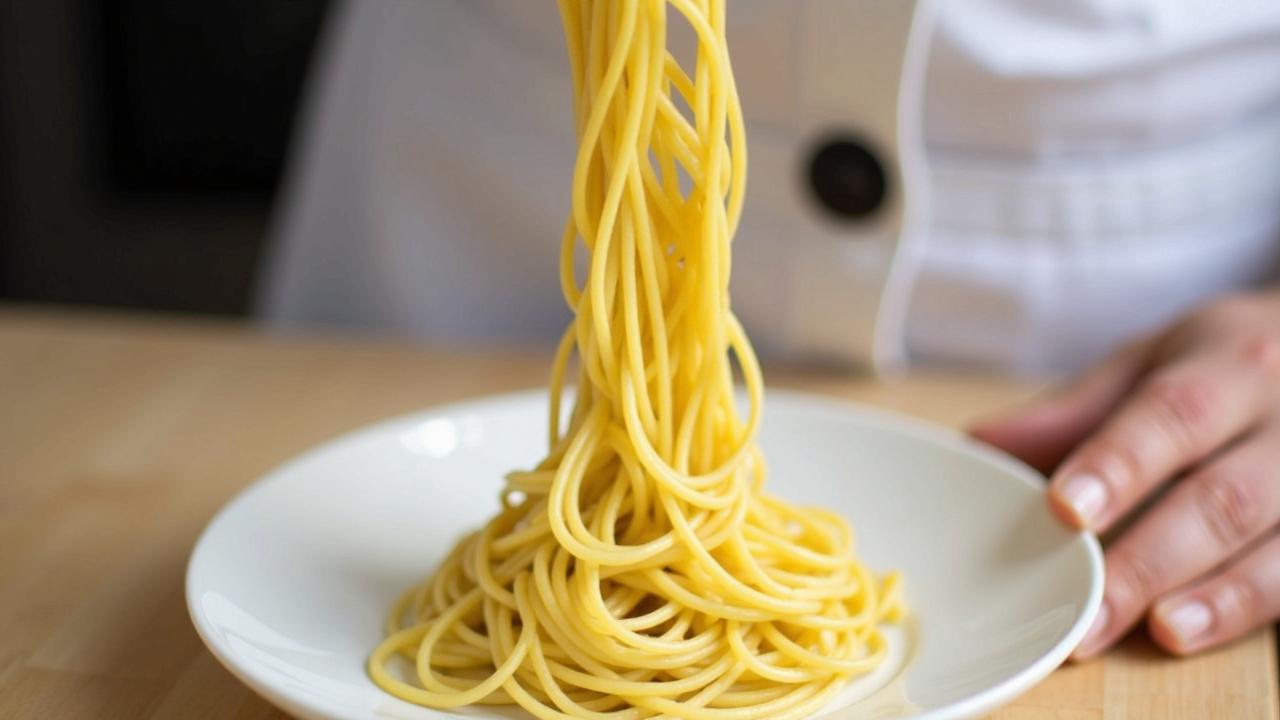
Good pasta keeps the sauce clinging to every ridge and curve. Bad pasta makes the sauce slide off and pool at the bottom of the plate.
That’s the “post‑cooking” detail this Italian insists on: how the pasta holds its sauce. Not the fancy label, not the price, not the shape. Just the way sauce behaves once it touches the pasta.
High‑quality, traditionally made pasta has a slightly rough surface. This subtle texture works almost like Velcro. It grabs onto tomato sauce, creamy carbonara or a simple garlic and oil dressing, and keeps it there.
Industrial pasta is usually very smooth and almost shiny. Sauces glide off it, leaving noodles that taste bland and slippery, no matter how well seasoned the sauce is.
What you should see in your plate
After you mix pasta and sauce, look closely at your dish for a few seconds:
- Is every piece lightly coated, with no bare, shiny patches?
- Does the sauce stay on the pasta when you lift it with a fork?
- Is there only a little sauce left at the bottom of the bowl?
If the answer is yes, you’re probably eating decent pasta. If most of the sauce ends up abandoned on the plate, you might be dealing with a low‑quality brand.
Texture and bite: why some pasta goes mushy in minutes
Sauce isn’t the only clue. Texture tells a story too. Italians talk constantly about al dente — pasta that’s cooked but still firm to the bite.
➡️ Stop bland, dry cottage pie: the surprising addition that makes it meltingly soft and irresistible
➡️ It’s official: supermarket prices are the most attractive in this region of France
➡️ Check your cupboards: some tins of sardines could be worth a small fortune
➡️ Mercosur: can supermarkets refuse to apply the trade deal?
➡️ Homemade crème caramel: the foolproof trick for a perfect texture and authentic flavour
➡️ Carrefour will change everything in store: these transformations are a real step forward
➡️ Do you know the spoon trick for opening a stubborn jar?
➡️ The €1 Ingredient To Replace Butter In Your Pie Crust
With good pasta, you can hit that sweet spot and it will stay there for several minutes. The shape holds. The centre has a tiny bit of resistance. You can chew it, not just swallow it.
Poorly made pasta often turns soft, sticky and clumpy very quickly, even if you watch the clock and follow the packet instructions.
That rapid decline usually signals weak gluten structure and rushed industrial processing. Within a couple of minutes on the plate, spirals or penne can collapse into a starchy mass that smothers any sauce you added.
The protein number that matters on the packet
There is a more technical way to predict that texture before cooking: protein content. For dry durum wheat pasta, Italian producers often aim for at least 12 g of protein per 100 g.
| Protein per 100 g | What you can expect |
|---|---|
| Below 11 g | Likely to go soft quickly, weaker structure, sauce absorption not ideal |
| 11–12 g | Decent everyday pasta, acceptable bite if cooked attentively |
| 12 g and above | Firmer texture, better hold, more resistant to overcooking |
The higher protein comes from quality durum wheat and proper processing. It helps the pasta stay firm and absorb flavour instead of falling apart.
Ingredients and colour: reading the clues before you boil water
The Italian cook at the centre of this debate insists on one rule: proper dried pasta should contain just two ingredients.
Real Italian-style dry pasta is made from durum wheat semolina and water. Nothing else.
No added colouring, no weird stabilisers, no vegetable powders to fake a golden tone. A short ingredients list is usually a good sign of traditional methods and a clean product.
Colour matters too. Many supermarket shoppers instinctively reach for bright yellow pasta, thinking it looks richer or more “egg‑y”. For classic durum wheat pasta, that’s often a mistake.
Pale vs. bright yellow: what the shade reveals
Traditionally, pasta is dried slowly at low temperatures. This gentle process keeps the colour fairly pale and matte. These noodles may look slightly dull on the shelf, but they tend to:
- Cook evenly
- Hold their shape
- Offer a pleasant, wheaty flavour
- Be easier to digest for some people
A very bright, almost shiny yellow tone usually points to fast, high‑heat drying. That industrial shortcut speeds up production but can damage starch and gluten networks. The result is pasta that boils quickly yet behaves poorly with sauce and turns flabby faster.
What quality pasta tastes like on the tongue
The final test sits with taste. Good pasta isn’t just a vehicle for whatever sauce you put on top. It contributes flavour of its own.
High‑quality pasta has a subtle nutty, grainy character. It feels firm but not hard, with a gentle chew. Even dressed simply with olive oil and a sprinkle of cheese, it’s satisfying.
When the pasta itself tastes of almost nothing and only the sauce is doing the work, you’re not getting the full Italian experience.
Lower‑quality pasta often tastes flat. It can feel gummy on the teeth. Once cooled slightly, it may clump together and form a sticky ball, especially in lunch boxes or on buffet tables.
Trying the Italian test at home
If you want to see this post‑cooking detail for yourself, you can run a small experiment in your own kitchen.
A simple side‑by‑side comparison
Buy one packet of a basic budget pasta and one of an artisan or higher‑end Italian brand. Cook them separately, following each packet’s instructions. Toss both with the exact same sauce — even just tomato passata with a little oil and salt works.
Then ask:
- Which plate has more sauce left underneath?
- Which pasta bites back a little, without being crunchy?
- Which still tastes good after sitting for five minutes?
Most people notice a difference on the first forkful. It’s not about snobbery. It’s about texture and how well the pasta plays with the sauce.
Why slow drying and rough surfaces change everything
Behind this Italian advice lies some fairly simple food science. When pasta dries slowly at low temperatures, the structure of starch and gluten sets in a more organised way. During cooking, it swells, softens and releases starch at a controlled pace.
That released starch, together with the rough surface of traditionally extruded pasta, helps emulsify the sauce. It thickens it slightly and makes it cling to the noodles.
High‑heat, rushed drying can create cracks and uneven textures inside the pasta. That leads to more starch leaking into the cooking water in a messy way, and less structure left to grab the sauce later.
Practical tips when you are staring at a crowded pasta aisle
Next time you are in a supermarket, you can use this Italian method before and after cooking:
- Check the ingredients: aim for just durum wheat semolina and water.
- Look at protein: around 12 g per 100 g is a good benchmark.
- Observe the colour: pale and matte often beats bright and glossy.
- Feel the surface if the pack allows it: a faintly rough texture is promising.
- Watch the sauce at home: if it coats every piece, you chose well.
For families trying to improve everyday meals without spending hours in the kitchen, upgrading pasta quality can make a noticeable difference. A simple bowl of garlic, chilli and oil tossed with good spaghetti can feel like a dish from a small trattoria instead of a rushed weekday compromise.
Some terms and habits Italians take for granted
Two Italian concepts often confuse foreign cooks. The first is al dente. Literally “to the tooth”, it means pasta should still offer slight resistance when bitten. That chewiness isn’t undercooking; it’s how the texture is meant to be.
The second is the habit of finishing pasta in the pan with its sauce for a minute or two. This step lets the starch on the surface bind with the sauce and complete that crucial coating. With rough, quality pasta, this pan step creates a silky, integrated dish. With smooth, poor pasta, it often just leads to clumping.
Seen through that lens, the Italian woman insisting on this post‑cooking detail is not being fussy. She is watching how the pasta behaves at the exact moment when it should shine. For her, and for many Italians, that’s where you see whether you are eating the real thing or just another plate of boiled starch.