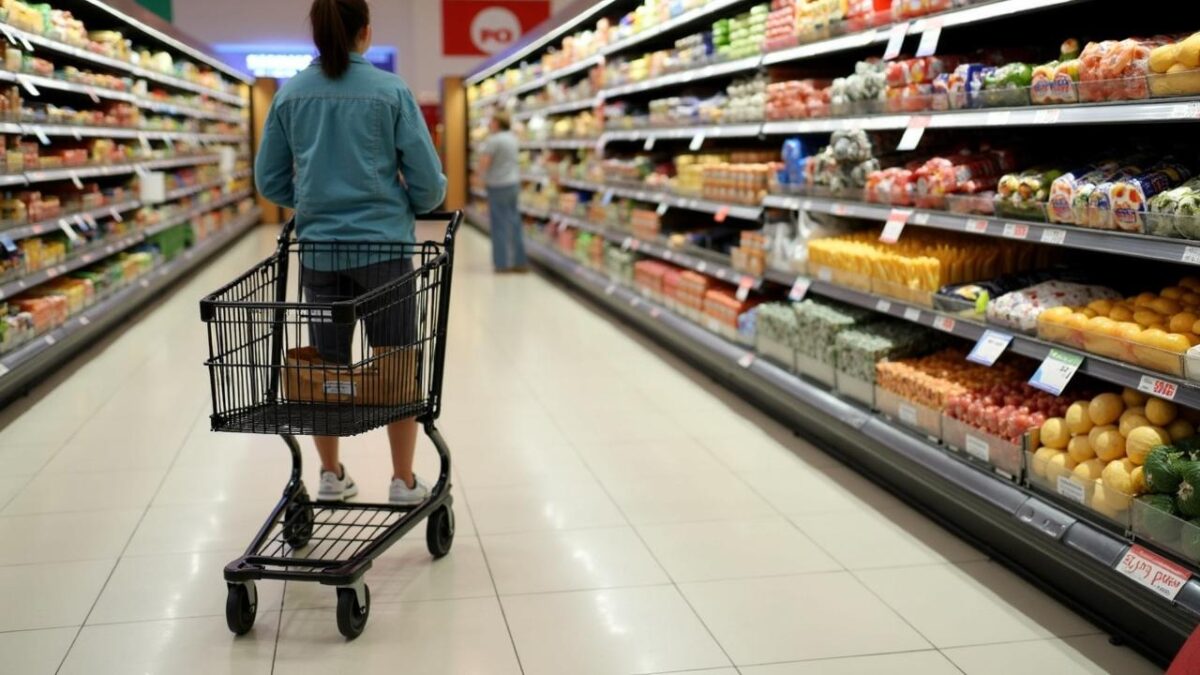
Across France, shoppers will soon walk into Carrefour stores that feel subtly, and sometimes radically, different from today.
The French retail giant is quietly preparing a technological shake-up of its supermarkets, promising smoother trips for customers and sharper tools for staff, without turning aisles into cold, fully automated spaces.
Carrefour’s quiet revolution in the aisles
Carrefour has begun rolling out a broad modernisation plan for its supermarkets, using digital tools to fine-tune what happens on the shop floor. The company is working with French tech specialist Vusion, known for its smart in-store systems, to test new solutions before pushing them nationwide.
Carrefour’s goal is simple: make shopping faster and clearer for customers, while freeing staff from repetitive, low-value tasks.
Rather than chasing flashy gadgets, the group is targeting three very concrete pain points: price accuracy, empty shelves and the efficiency of drive-through order picking. All three weigh heavily on how people perceive a supermarket’s reliability.
Three priorities: prices, shelves, and online orders
The retailer’s roadmap focuses on shop-floor basics that shoppers notice every day. Behind the scenes, the changes are driven by data, sensors and smarter software.
- Accurate prices: digital systems cut the risk of mismatches between shelf labels and tills.
- Fewer empty shelves: real-time information helps staff spot missing or low-stock items earlier.
- Faster drive orders: optimised routes and digital guidance speed up click-and-collect preparation.
For a customer, that means fewer surprises at checkout and a better chance of finding the brand or size they actually want. For the chain, it means fewer disputes, fewer complaints and less wasted time checking labels by hand.
Digital tools without losing the human touch
Carrefour is insisting that this shift will not turn stores into impersonal warehouses. Management wants technology to support conversations at the aisle, not replace them.
The stated ambition is to keep stores friendly and human, even as more screens and sensors appear in the background.
That is why the group is rolling out tools gradually, site by site, instead of launching everything at once. Each pilot store acts as a laboratory, where managers test how staff move, how shoppers react and what actually saves time.
➡️ Check your cupboards: some tins of sardines could be worth a small fortune
➡️ It’s official: supermarket prices are the most attractive in this region of France
➡️ Making your own galette des rois like a chef, from home: yes, it’s possible
➡️ Stop bland, dry cottage pie: the surprising addition that makes it meltingly soft and irresistible
➡️ The €1 Ingredient To Replace Butter In Your Pie Crust
➡️ Do you know the kettle trick for perfect jammy eggs?
➡️ This Italian woman is adamant: this post‑cooking detail reveals low‑quality pasta
➡️ Do you know the spoon trick for opening a stubborn jar?
Step-by-step deployment, not a tech blitz
The chain is opting for an incremental approach:
| Phase | What happens in store |
|---|---|
| Pilot stage | New tools are tested in a limited number of supermarkets. |
| Adjustment | Store feedback is used to tweak settings, layouts and procedures. |
| Training | Teams learn how to use the tools in daily routines. |
| Wider rollout | The most effective solutions are extended to other branches. |
This slow-burning strategy lets Carrefour adapt to the specific layout and customer base of each shop. A big hypermarket on a ring road has very different needs from a compact city-centre store with heavy commuter traffic.
What changes for shoppers on the ground
For regular customers, the transformation will not feel like a single big change but a series of small improvements. Most of them will notice the effects long before they understand the tech behind it.
Better stock control should mean fewer gaps in popular ranges: less frustration at finding the pasta aisle stripped bare or the favourite cereal missing again. Data systems can flag anomalies faster, sending staff to fill a shelf before shoppers complain.
When stock and pricing are under control, the whole shopping trip feels more straightforward, even if the store itself looks largely the same.
Checkout experiences also stand to benefit. When shelf prices and till prices match reliably, trust increases. Staff waste less time correcting tickets and issuing refunds, and customers feel less need to scrutinise every line on the receipt.
Drive-through and click-and-collect go up a gear
Carrefour’s drive service, where customers order online then collect groceries in the car park, is another big winner from this strategy. Better digital guidance can tell preparers the quickest route through the aisles, reducing the time spent zigzagging across the store.
Shorter preparation times mean later cut-off hours for ordering, quicker collection slots and fresher products. For families juggling work, school runs and rising fuel costs, a smoother drive service can become a deciding factor when choosing between rival chains.
On the staff side: less drudgery, more customer time
Behind the scenes, many of these tools are designed to remove repetitive tasks that wear staff down. Checking labels one by one, hunting for missing products or repeatedly walking the same aisles all day can quickly become tiring and demotivating.
By automating checks and alerts, Carrefour wants employees to spend more energy advising shoppers and managing key sections of the store.
Training will play a central role. Staff are expected to learn new handheld devices, back-office screens and procedures. That learning curve can cause stress at first, especially for long-serving workers used to paper lists and manual rounds.
Carrefour’s staged rollouts are meant to give teams time to adapt. The risk, if handled badly, would be resentment and a sense that technology is imposed from above. The retailer’s messaging so far insists on collaboration and feedback from the shop floor.
Why a French retail move matters beyond France
Carrefour is not just any supermarket. It is one of the largest food retailers in Europe, with a presence across several continents and a long history of experimenting with new formats. When such a player adjusts its model, competitors tend to follow or respond.
Other chains, from Lidl to E.Leclerc, are already trialling their own concepts, whether it is new store formats or product ranges tailored to inflation-hit budgets. The race is no longer only about low prices; it is also about quality of experience and reliability day after day.
Potential risks and points of friction
Bringing more technology into supermarkets carries some risks. Customers may worry about increased surveillance or data use. Staff may fear that automation is a step towards fewer jobs, even if the stated goal is to make existing roles more interesting.
Cultural resistance is another factor. Shoppers in some regions still prefer visible staff and traditional counters over apps and self-service everywhere. Carrefour will need to adapt its mix of innovations to local expectations, not just roll out a one-size-fits-all system.
What these changes look like in everyday life
Picture a typical weekday evening. A parent finishes work at 6pm, places a quick online order on the bus home, and books a collection slot for 7pm. In the store, staff receive the order and follow an optimised route across the aisles, guided by a handheld device.
Because stock levels are constantly monitored, the picker sees immediately if a product is missing and can suggest an alternative that matches the same price band or brand. The customer arrives at the drive point, the order is ready, and there are no last-minute substitutions at the window.
Inside the store, another shopper pushes a trolley through aisles where promotional prices match exactly what appears at the checkout. An employee, freed from manual label checks, spends time advising them on which products best fit a restricted budget or a specific diet.
Key terms that shape these changes
Several concepts underpin what Carrefour is trying to do:
- Productivity: making sure each hour of staff time creates more value, either through serving customers or managing stock better.
- Customer journey: the full path from planning a shop at home, to walking into the store, to paying and leaving.
- Hybrid retail: mixing physical shopping with online ordering, home delivery and click-and-collect services.
When these elements work together, small individual gains add up: fewer stockouts, quicker service, clearer prices and staff who can focus on people rather than paperwork. Carrefour’s bet is that this combination will be enough to keep shoppers coming back in a competitive and inflation-conscious market.