A small saucepan, three cupboard ingredients and ten quiet minutes can permanently change how you bake chocolate‑studded treats.
Forget mysterious ingredients and last‑minute supermarket runs. Home bakers are turning to a minimalist homemade chocolate chip recipe that undercuts shop prices and still melts beautifully into cookies, brownies and pancakes.
From Instagram hack to kitchen staple
The trend started with a simple reel shared by food creator Yuvraj Dewan on Instagram: homemade chocolate chips made with just a handful of everyday ingredients. No tempering chocolate, no specialist moulds, no professional gear.
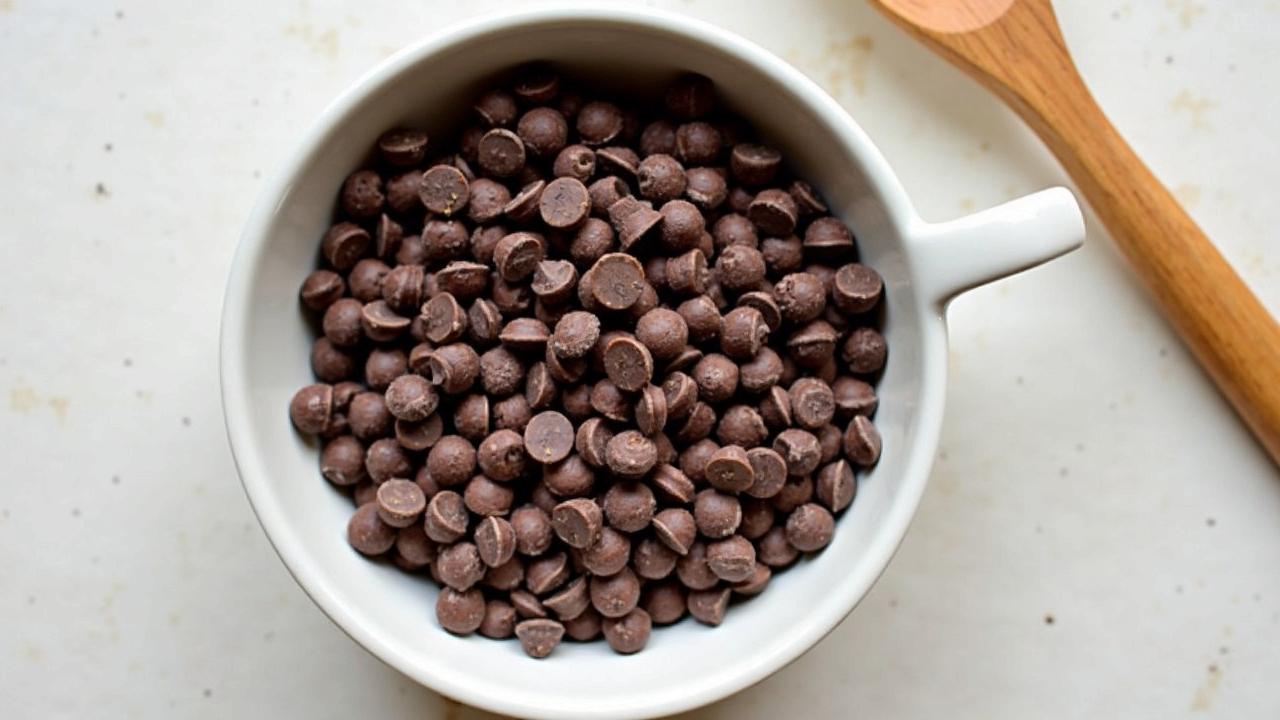
What makes the idea so viral‑friendly is how ordinary it feels. The method is closer to mixing a quick sauce than crafting delicate confectionery. Yet the result looks like a bag of classic chocolate chips and behaves much the same in the oven.
Three core ingredients, one mixing bowl, and a freezer are enough to swap industrial chocolate chips for a made‑at‑home version.
For many home bakers worried about rising food costs, this approach hits two targets: trimming the bill while regaining control over what slips into their batter.
The base recipe for homemade chocolate chips
What you need
The original French recipe leans on store‑cupboard staples rather than specialist chocolate. Here is the basic formula:
- 60 g coconut oil
- 50 g unsweetened cocoa powder
- 30 g runny honey
- 4 g vanilla extract
- 1 pinch of fine salt
On the equipment side, most kitchens are already covered:
- 1 heatproof bowl
- 1 spatula or whisk
- 1 piping bag (or a food bag with the corner snipped off)
- 1 sheet of baking parchment
Step‑by‑step: from bowl to frozen chips
Start by gently melting the coconut oil until it is fully liquid, but not sizzling hot. A short burst in the microwave or a few minutes in a pan over very low heat is enough. Overheating makes the mixture greasy and harder to pipe neatly.
Whisk in the cocoa powder, honey, vanilla and salt. Stir until the mixture turns glossy and smooth, with no visible lumps. The texture should resemble a thick chocolate sauce that still flows slowly from a spoon.
➡️ Stop bland, dry cottage pie: the surprising addition that makes it meltingly soft and irresistible
➡️ Do you know the kettle trick for perfect jammy eggs?
➡️ Do you know the spoon trick for opening a stubborn jar?
➡️ It’s official: supermarket prices are the most attractive in this region of France
➡️ This Italian woman is adamant: this post‑cooking detail reveals low‑quality pasta
➡️ Check your cupboards: some tins of sardines could be worth a small fortune
➡️ Making your own galette des rois like a chef, from home: yes, it’s possible
➡️ The €1 Ingredient To Replace Butter In Your Pie Crust
Transfer this mixture to a piping bag and line a tray with baking parchment. Pipe small dots, roughly the size of commercial chocolate chips. Perfection is not required: irregular shapes still bake well and look pleasantly rustic.
Slide the tray into the freezer until the drops are completely firm. This fixes the shape and gives you bite‑sized pieces that behave like conventional chips in cookie dough.
Freezing transforms a simple cocoa mixture into tidy, grab‑and‑go chips that you can use straight from the container.
Why bother making your own?
At first glance, a 99‑cent bag of chocolate chips seems easier. The shift to homemade often starts for one reason, then stays for several others.
Cost, control and fewer additives
Branded chocolate chips can be surprisingly pricey, especially for regular bakers. By using cocoa powder and a fat you already buy, you spread costs across multiple recipes.
There is also the ingredient list. Many supermarket chips contain stabilisers, emulsifiers and flavourings designed to keep them solid at high baking temperatures. That helps manufacturers ship and store them, but it is not strictly needed at home.
With a three‑ingredient base, you know exactly what is in your chips: fat, cocoa, sweetener, nothing obscure.
For households juggling allergies or specific diets, that transparency really counts. You can choose honey, maple syrup or agave. You can pick organic cocoa or a fair‑trade brand. You decide how sweet the final chips taste.
Texture: how these chips behave in the oven
Because the recipe uses coconut oil rather than cocoa butter, the chips soften quickly when warm. In cookies and muffins, this leads to pockets of semi‑molten chocolate rather than rigid chunks that keep sharp edges.
That difference can be an advantage. Many bakers prefer a fudgy, melty interior, especially in brownies and skillet cookies. For recipes where you want chips that hold a perfect teardrop silhouette — for example, on top of cupcakes for decoration — you might need to pipe smaller drops and keep bakes shorter.
How to use homemade chips in everyday baking
Once frozen, the chips store well in an airtight tub in the freezer. You scoop them just like a bag of commercial chips, with almost no extra work.
They can slot into most recipes with chocolate chips in the ingredient list. A simple rule: match the weight of chips called for in the recipe, and keep an eye on baking time the first time you test them.
- Stir into cookie dough for extra‑gooey centres.
- Fold into brownie batter to increase chocolate intensity.
- Sprinkle over pancake batter in the pan, then flip once set.
- Mix into muffin batter for breakfast bakes.
- Use as a topping for yogurt or porridge straight from the freezer.
| Use | Effect of homemade chips |
|---|---|
| Cookies | Softer, meltier pockets of chocolate, slightly less defined shapes |
| Brownies | Added fudginess and a stronger cocoa hit |
| Muffins | Even distribution, gentle melt that stays soft when cooled |
| Pancakes | Quick melting, streaks of chocolate through the crumb |
Customising the basic formula
Adjusting for dietary needs
One of the strengths of a homemade recipe is how easily it bends to preferences. For vegan bakers, swapping honey for maple or agave syrup keeps the ingredient list plant‑based. The method stays identical.
Those avoiding coconut can trade the oil for another fat that hardens when chilled, such as refined coconut oil (for less flavour) or a mix of butter and a neutral oil. The key is to keep the mixture firm at freezer temperature, so the chips hold their shape.
Playing with flavour and sweetness
Cocoa powder naturally tastes intense and slightly bitter. The 30 g of honey in the base recipe lands close to a dark chocolate profile. If your household prefers something closer to milk chocolate, you can bump up the sweetener, then test a small batch in the freezer.
Flavour add‑ins can shift the chips from basic to bespoke. A pinch of espresso powder deepens the chocolate note. A scrape of orange zest brings a Terry’s‑style twist. Chilli flakes deliver a gentle burn that works well in adult cookies.
A home batch of chips becomes a flavour canvas: one tub for kids’ cookies, another laced with coffee for late‑night brownies.
Practical points: storage, food safety and expectations
Because these chips rely on coconut oil, they soften quickly at room temperature. Keeping them in the freezer is not just convenient; it protects their texture. When stirred into cold dough or batter, they hold their shape long enough to reach the oven.
From a food safety angle, the ingredients are low risk. Honey and cocoa are shelf‑stable; coconut oil is a fat. As long as your equipment is clean and the chips stay sealed and cold, they should last for weeks without quality loss. Any sign of off smells or freezer burn is a cue to start a new batch.
One expectation worth managing: these chips will not look identical to the shiny uniform drops poured from a factory bag. They may vary slightly in size and sheen. For many home bakers, that small imperfection is exactly the appeal — a visible sign that their cookies started in a real kitchen, not on a production line.
When homemade chips make the biggest difference
The economics shift most clearly if you bake often. A family that turns out trays of cookies every weekend can burn through several bags of chips a month. Using cocoa powder and a fat you already purchase spreads the cost across hot chocolate, frosting and other recipes.
There is also the cumulative effect on taste. Replacing industrial chips means your go‑to bakes start to share a consistent chocolate flavour, tuned by your chosen cocoa brand and sweetener. Over time, that becomes part of your household’s “signature” cookie or brownie — the kind of detail friends and neighbours notice, even if they cannot quite pinpoint why it tastes better.