Butter prices keep rising, but the craving for a proper homemade pie never really goes away, especially on a tight budget.
Across Europe, the cost of a standard 250 g block of butter has crept past the €3 mark, making many home bakers think twice before rolling out dough from scratch. Yet, tucked quietly in the fridge, a humble tub costing less than €1 can change the texture, nutrition and price of your pie crust in one go.
An unexpected stand‑in for butter
This budget ingredient isn’t margarine, oil or some ultra-processed spread. It’s a fresh cheese, the type sold as fromage blanc, quark or plain soft cheese, with a mild flavour and a spoonable texture.
Fresh cheese can replace butter in a shortcrust pastry, cutting both the fat content and the final cost of each tart.
Butter is mostly fat, around 82%. Fresh cheese sits closer to 20–40% fat, depending on the brand, and brings a lot more water and protein. That combination changes how the dough behaves from the moment you mix it to the moment it leaves the oven.
In practical terms, swapping butter for fresh cheese means you put two to four times less pure fat into the bowl. For families watching both food prices and saturated fat, that’s not a minor detail.
Why fresh cheese actually works in pastry
At first glance, cheese and pastry can sound like an odd pairing, especially for sweet pies. The trick lies in its chemistry.
Acidity that softens gluten
Fresh cheese has a gentle tang due to lactic acid, with a pH usually around 4.5 to 5. That slight acidity affects gluten, the protein network that forms when flour meets water.
In a classic butter pastry, the fat coats flour particles and limits gluten formation, helping the crust stay short and crumbly. With fresh cheese, some gluten still develops, but the acidic environment tends to keep it more relaxed and flexible.
The lactic acid in fresh cheese helps keep the dough supple, giving a crust that’s tender rather than tough or rubbery.
➡️ Mercosur: can supermarkets refuse to apply the trade deal?
➡️ Homemade crème caramel: the foolproof trick for a perfect texture and authentic flavour
➡️ This Italian woman is adamant: this post‑cooking detail reveals low‑quality pasta
➡️ Stop bland, dry cottage pie: the surprising addition that makes it meltingly soft and irresistible
➡️ Check your cupboards: some tins of sardines could be worth a small fortune
➡️ Do you know the spoon trick for opening a stubborn jar?
➡️ It’s official: supermarket prices are the most attractive in this region of France
➡️ You Don’t Need To Be An Expert To Make This Foie Gras: I Use My Microwave And It Costs Me Far Less
Water, protein and a different crumb
Fresh cheese brings more moisture than butter, plus milk proteins such as casein. During baking, this extra water turns to steam and the proteins set, creating a crumb that’s less sandy than a classic shortcrust but more melting than a bread-style dough.
The result is a base that holds juicy fillings without collapsing, yet still feels light on the fork. Fruit tarts with apricots, plums or berries benefit especially from this style of pastry, as the slightly cushioned texture supports the fruit instead of shattering underneath it.
How to convert your usual recipe
Most home cooks already have a go-to shortcrust or savoury tart base. Adapting that recipe to fresh cheese is surprisingly simple.
For every 100 g of butter removed, use 100 g of fresh cheese and cut back on added liquid.
Because fresh cheese contains more water, you need to reduce the other liquids slightly. A common approach is to remove about 15–20 ml of water or milk from the recipe, or to skip one egg white if your dough includes whole eggs.
A basic fresh cheese shortcrust
For a standard tart tin, many pastry cooks work with this rough blueprint:
- 130–150 g plain flour
- 50 g cornflour or another starch
- 100–120 g fresh cheese or fromage blanc
- 1 egg
- Salt for savoury pies, a spoon of sugar for sweet versions
The starch lightens the dough and helps absorb the extra moisture. The fresh cheese replaces butter entirely, bringing richness without the same level of fat.
Step-by-step method for a smoother result
Draining and mixing
Fresh cheese often contains whey, the thin liquid that can make a dough sticky. A short draining step tightens its texture.
- Place the cheese in a fine sieve or lined colander and drain for around 30 minutes.
- Tip the flour, starch and salt (and sugar if needed) into a bowl.
- Add the drained cheese and lightly rub or stir it into the dry ingredients to form a moist, sandy mixture.
- Add egg or water a little at a time until the dough just comes together as a ball.
The key is to stop as soon as the mass holds. The more you knead, the more elastic and resistant the dough becomes, which is the opposite of what you want in a tart base.
Resting in the fridge
Once formed, wrap the dough and leave it in the fridge for at least an hour. This pause allows the flour and starch to absorb moisture fully and lets the gluten relax.
Cold, rested dough rolls more easily, shrinks less in the oven and gives a more even, tender crumb.
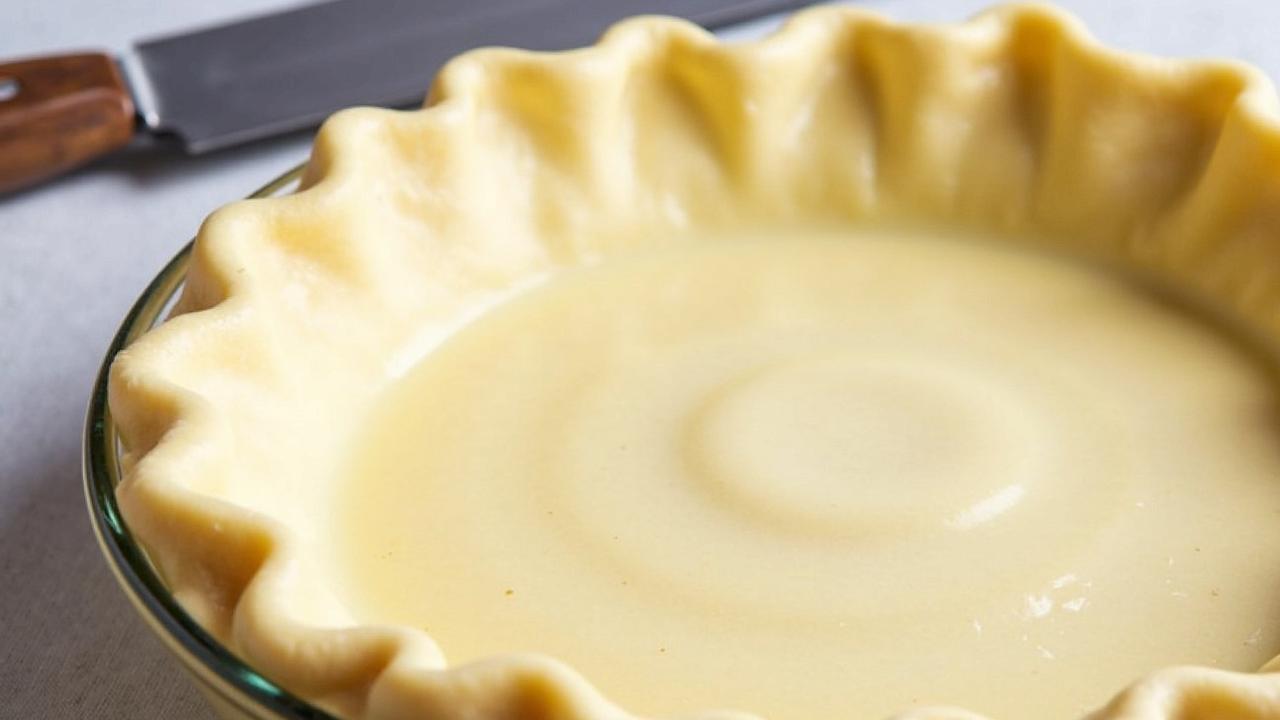
After resting, roll it out quickly on a lightly floured surface, line the tin, trim the edges and chill again briefly before filling or blind-baking.
Mistakes that ruin a cheese-based crust
The biggest trap is treating this dough exactly like a classic all-butter version.
Overworking the dough
Because of the higher water content, vigorous kneading activates gluten very quickly. That can lead to a stretchy, bouncy dough that pulls away from the sides of the tin as it bakes and firms up too much once cooled.
Instead, keep handling minimal: press the dough together, roll it out while still cold, and avoid repeated re-rolling of scraps. If you do need to gather leftovers, let them rest again before using.
Skipping blind baking for wet fillings
Fresh cheese dough stands up well to moisture, but very wet fillings can still soak through. For quiches, custard pies or heavily fruited tarts, baking the base partly before adding the filling remains a wise move.
- Prick the base with a fork.
- Cover with baking paper and add baking beans or dried pulses.
- Bake until the edges just start to colour.
- Remove the weights, add your filling and return to the oven.
A trick with a long backstory
Using cheese in pastry isn’t a social media fad. During periods of rationing, such as the Second World War in Europe, butter was scarce and expensive. Home cooks turned to farm cheeses and curds to hold their tarts together.
Today, the same logic reappears for different reasons: energy bills, grocery prices, and a growing interest in lighter, protein-rich alternatives. Fresh cheese crusts are now common in quiches, vegetable tarts and even cheesecakes that call for a more delicate base.
When a cheese crust makes the most sense
Best uses for this style of pastry
Some recipes benefit more than others from the switch from butter to fresh cheese.
| Type of tart | Why the cheese crust helps |
|---|---|
| Juicy fruit pies | Base stays tender underneath moist fillings like plums or berries. |
| Quiches and savoury tarts | Slight tang complements cheese, ham, vegetables and softens the texture. |
| Everyday family pies | Lower cost and fat content suit regular weeknight cooking. |
| Lightened desserts | Works for those looking to reduce butter without switching to ultra-processed spreads. |
For very delicate patisserie, such as classic French tart shells that must stay ultra-crisp for hours, butter still keeps an advantage. The pure fat creates a more waterproof barrier than fresh cheese ever could.
Cost, nutrition and taste: what you actually gain
From a budget angle, the maths is straightforward. With butter above €3 for 250 g and basic fromage blanc under €1 for a similar pot, every tart made this way slightly lowers the bill. Over a year of weekend baking, the saving becomes noticeable.
Nutritionally, swapping a portion of saturated animal fat for a product that includes water and protein generally means fewer calories per slice, while keeping a feeling of richness. The high-fat reputation of pastry softens when part of the fat is effectively “diluted” by dairy proteins and moisture.
On flavour, the change is subtle. The fresh cheese adds a faint tang that most people barely notice under fruit, vegetables, herbs or a savoury custard. Those who enjoy the buttery aroma of a traditional crust may miss it, but many tasters simply note that the base feels “lighter” or “softer”.
Practical scenarios for home cooks
Imagine you have only a few tablespoons of butter left in the fridge, not enough for a full tart, and payday still feels far away. You can use that butter just to grease the tin and rely on fresh cheese for the dough itself. The final pie arrives on the table with a gentle golden edge and no sense of compromise.
Or picture a summer gathering where several guests keep an eye on saturated fat or follow a less restrictive diet after health concerns. A fresh-cheese crust offers a middle ground: still pastry, still homemade, but less heavy and easier to share without guilt-laden comments around the table.
Extra tips, combinations and small risks
In very hot kitchens, fresh cheese pastry can soften quickly. Rolling it between two sheets of baking paper helps maintain shape and reduces the need for extra flour, which can dry the dough if used in excess.
Combining fats can also work well. Some cooks use half butter, half fresh cheese, keeping a touch of buttery flavour while lowering both cost and fat content. In that case, the dough stays slightly crumblier and more traditional, with just a hint of extra softness.
One point that deserves attention: not all fresh cheeses behave the same way. Very low-fat products can make the dough rubbery, while heavily thickened or flavoured versions may carry stabilisers or sugar that interfere with texture. Reading the label and choosing a plain, unsweetened cheese with a moderate fat level usually gives the best balance.
For those who enjoy experimenting, this technique opens the door to other cultured dairy products too. Greek yoghurt, strained kefir or skyr can all play a similar role in pastry, each bringing its own flavour profile and texture to that much-loved weekend tart.