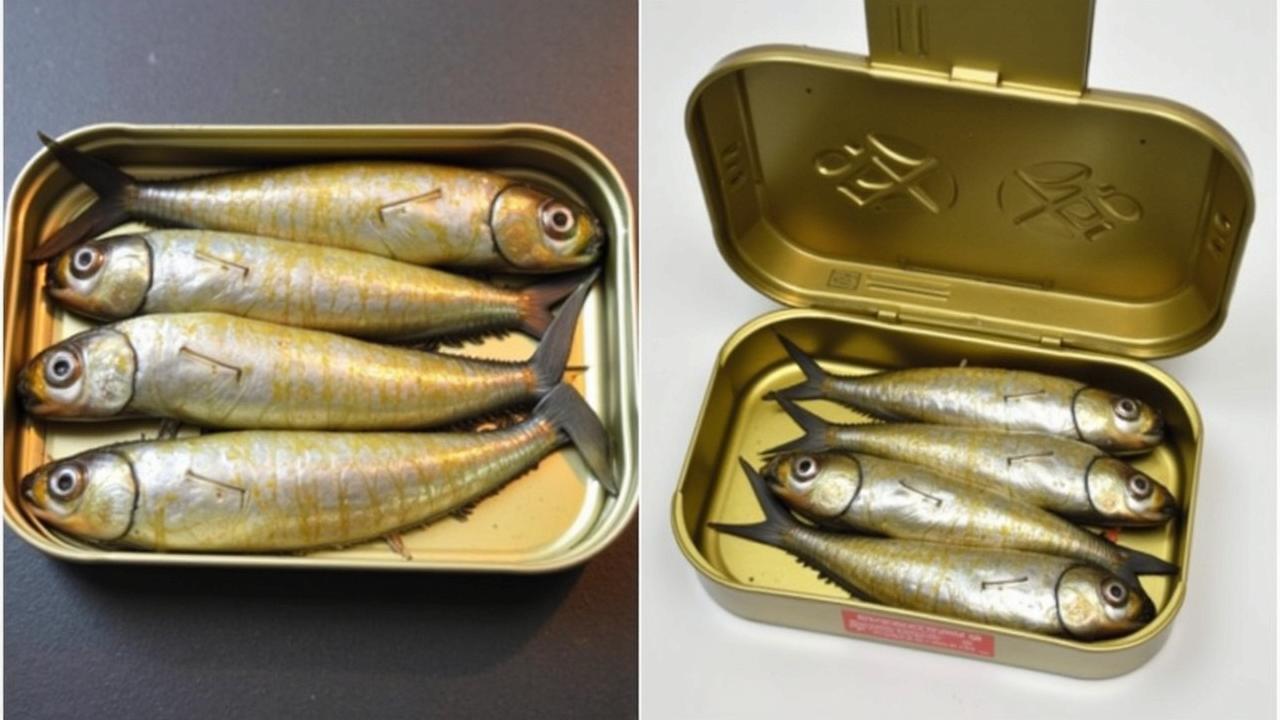
In countless kitchens, dusty tins sit quietly at the back of a cupboard, long forgotten, silently gaining something unexpected.
Across France and beyond, a niche but growing crowd of food lovers and collectors are hunting for very specific tins of sardines — not for a quick weekday dinner, but as aging delicacies and sometimes surprisingly valuable objects.
From cheap staple to collectible delicacy
Most people see tinned sardines as a budget backup meal. Nutritious, long-lasting, not exactly glamorous. Yet some brands, especially in Brittany, treat sardines almost like fine wine.
These are called “vintage” sardines. The year printed on the can does not refer to a best‑before date. It marks the year the fish were caught and packed.
For vintage sardines, the year on the tin is a harvest date, not an expiry warning.
One famous producer in Douarnenez, in western Brittany, only uses a specific species: Sardina pilchardus. These fish are caught at the height of the season, usually between July and September, when they are naturally fattier and more flavourful.
The fish are landed at dawn, taken straight to the cannery, and worked the same day. That speed is deliberate: the fresher the fish, the better they age in the tin.
Why some sardines age like wine
What makes these tins different from standard supermarket fare is the intention behind them. They are designed to be kept, even cellared, for years.
Producers pick sardines that are particularly rich in fat. Fat carries flavour. Over time, in a sealed environment and good oil, those flavours soften and deepen.
Stored correctly, a tin of quality sardines can become rounder, softer and more complex after six to eight years.
➡️ You Don’t Need To Be An Expert To Make This Foie Gras: I Use My Microwave And It Costs Me Far Less
➡️ The €1 Ingredient To Replace Butter In Your Pie Crust
➡️ Recall At Leclerc, Intermarché, Système U And Others Due To Contaminated Product: Black Pudding
➡️ Why keep buying chocolate chips when this quick, budget recipe exists?
➡️ Making your own galette des rois like a chef, from home: yes, it’s possible
➡️ Mercosur: can supermarkets refuse to apply the trade deal?
➡️ This Italian woman is adamant: this post‑cooking detail reveals low‑quality pasta
➡️ Stop bland, dry cottage pie: the surprising addition that makes it meltingly soft and irresistible
Inside the can, something slow and fascinating happens. The sardines sit in extra‑virgin olive oil, chosen not only for preservation but for its subtle aromas. The proteins break down gently, the texture relaxes, and the spine almost melts away.
By around six to eight years, aficionados say the fish are at their peak. The flesh turns almost spreadable, the sharp “fishy” edge fades, and the salty, nutty notes of the oil and fish blend together.
Traditional craft behind the label
These tins are not churned out on fast industrial lines. Many steps are still done by hand, especially at historic canneries in Douarnenez.
- Heads and guts are removed manually to avoid damaging the flesh.
- The sardines are carefully arranged in the tin, often in neat layers.
- They are fried before being packed, giving them a firm yet tender texture.
- Only then are they covered with olive oil and sealed.
That hand work is one reason production remains limited. It also explains the higher starting price, and the fact that some people now treat a case of tins almost like a small investment.
When sardines become collectibles
The financial value of old sardine tins does not come only from what is inside. The packaging itself is a big part of the story.
Many Breton brands release yearly editions of their sardines in small series. Each year’s tin carries new artwork, often by local artists. Some feature maritime scenes, others bold graphic designs or references to Breton culture.
Every vintage tin is both a preserved fish and a limited-edition design object.
Collectors even have names: “puxisardinophiles” or “clupeophiles”, depending on who you ask. Some own hundreds of tins, carefully stored, their labels catalogued by year, artist and cannery.
When a design becomes iconic or a year is particularly rare, prices can climb on specialist forums and at flea markets. While you should not expect retirement money from a single can, a small stash of desirable vintages can sometimes fetch many times their original retail price.
How to check if your sardines might be special
If you feel the urge to raid your kitchen cupboards, there are a few things to look for before you start imagining hidden treasure.
| Detail to check | What it might mean |
|---|---|
| Year printed prominently on front | Possible “vintage” sardines meant for aging |
| Mention of specific fishing season or port (e.g. Douarnenez) | More likely to be from a traditional cannery |
| Limited edition or numbered series | Higher potential interest for collectors |
| Artwork signed or credited to an artist | Designer tins that can gain value over time |
| Well‑known premium brand from Brittany or Portugal | Better chances of aging gracefully in taste and value |
Tins from big industrial brands, with generic labels and no year on the front, are unlikely to attract collectors. They can still be perfectly good to eat, as long as the can is intact, but they rarely gain monetary value.
How to store sardines if you want them to age
If you decide to keep a few tins for the long term, conditions matter. Heat and light speed up degradation, which can ruin both flavour and appearance.
A cool, dark, dry cupboard is the minimum; some collectors even keep sardines in a wine cellar.
For aging sardines at home, aim for:
- A stable, cool temperature, ideally between 10°C and 18°C.
- No direct sunlight or strong artificial light.
- No humidity that could corrode the metal or damage labels.
- Tins laid flat, so the fish remain fully covered with oil.
Some enthusiasts flip their tins once or twice a year so the oil circulates evenly. Others leave them undisturbed. There is no strict rule, but the key is avoiding extremes: very high heat, freezing, or dented, rusting cans.
When to eat and when to sell
There is always a tension with collectible food: keep it or eat it. For many sardine fans, the real “profit” comes from the tasting.
Seasoned buyers often open their tins somewhere between year three and year ten. Before three years, the fish can still feel a bit firm. After ten, the flavour continues to evolve, but not everyone enjoys the very intense, almost cheesy notes that can develop.
If you suspect a tin might interest collectors — maybe it’s an early edition from a famous cannery, or has artwork by a now‑renowned artist — you might want to research recent auction prices before reaching for the tin opener.
Health, safety and a quick reality check
One question always comes up: can you safely eat very old tinned fish? As long as the can is perfectly intact, with no rust, swelling, leaks or strong off‑smell when opened, sardines remain safe well beyond the best‑before date. That date signals peak quality, not a hard safety cut‑off.
That said, no collection is worth risking food poisoning. Any sign of damage or suspicious odour, and the content belongs in the bin, not on toast.
From a financial angle, only a small fraction of tins gain real value. Most will stay what they were meant to be: a tasty, convenient, fairly cheap meal. The cultural and culinary story around them, though, is part of a wider trend where humble products — tinned fish, craft beer, natural wine — are being re‑evaluated by a new generation of consumers.
Turning a cupboard raid into something useful
If your search does not unearth a rare vintage, the exercise can still be rewarding. You might rotate older tins to the front, reduce food waste and plan a few easy, protein‑rich meals.
You could also turn the idea into a small household “audit”: checking dates, condition of cans and jars, and grouping similar items together. That simple habit helps avoid buying duplicates and cuts the risk of forgotten food expiring quietly in the dark.
For those who enjoy a small side project, starting a mini sardine collection can be surprisingly fun. Picking up one or two artist‑label tins a year, noting the vintage and origin, and opening them on special occasions adds a ritual to something usually seen as emergency food. Every now and then, you might even realise that little metal box was worth more than you thought — on the palate, or on the market.