<strong>Chapo.
One tiny tweak can turn a dry, forgettable cottage pie into the kind of dish people ask you about for weeks.
Home cooks often blame the potatoes or the oven when their cottage pie comes out dense and dusty. The real fix sits in a small bowl, takes seconds to add, and has nothing to do with piling on more butter.
From peasant plate to comfort classic
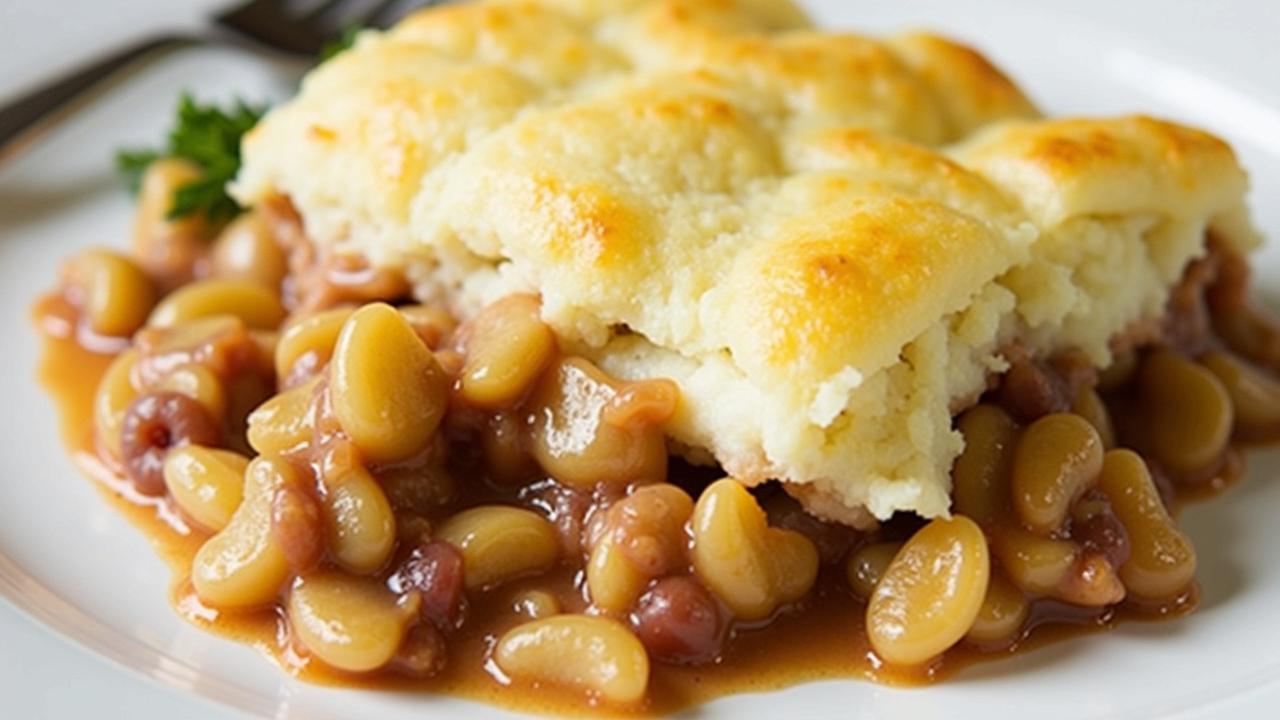
Cottage pie – or hachis parmentier in France – looks straightforward. A layer of minced meat, a blanket of mashed potato, into the oven and dinner is done. Yet behind this family favourite sits a long history and a surprisingly fragile texture balance.
In 18th‑century France, pharmacist Antoine-Augustin Parmentier campaigned hard to get people to trust potatoes. They were considered suspicious, even dangerous. Over time, that “poor man’s crop” became the heart of a much-loved baked dish topped with golden mash.
Today, the problem is no longer potato paranoia. It is the dry, compact, slightly cardboardy pie that appears when the meat layer is mishandled. And that is where the unexpected extra ingredient changes everything.
Why your cottage pie turns out dry
The main culprit usually isn’t the potatoes. It is the meat layer being cooked twice.
First, the mince browns in the pan. Then it bakes under the mash. That second blast in the oven can leave the meat crumbly and stiff, especially if it started out quite dry in the pan.
The meat is cooked twice, so you must add moisture and binding back in before it goes under the mash.
When that doesn’t happen, the juices evaporate, the fat tightens, and you end up with that dreaded “school dinner” texture – brown, grainy meat that separates instead of holding together in a soft, juicy layer.
The surprising fix: a beaten egg yolk
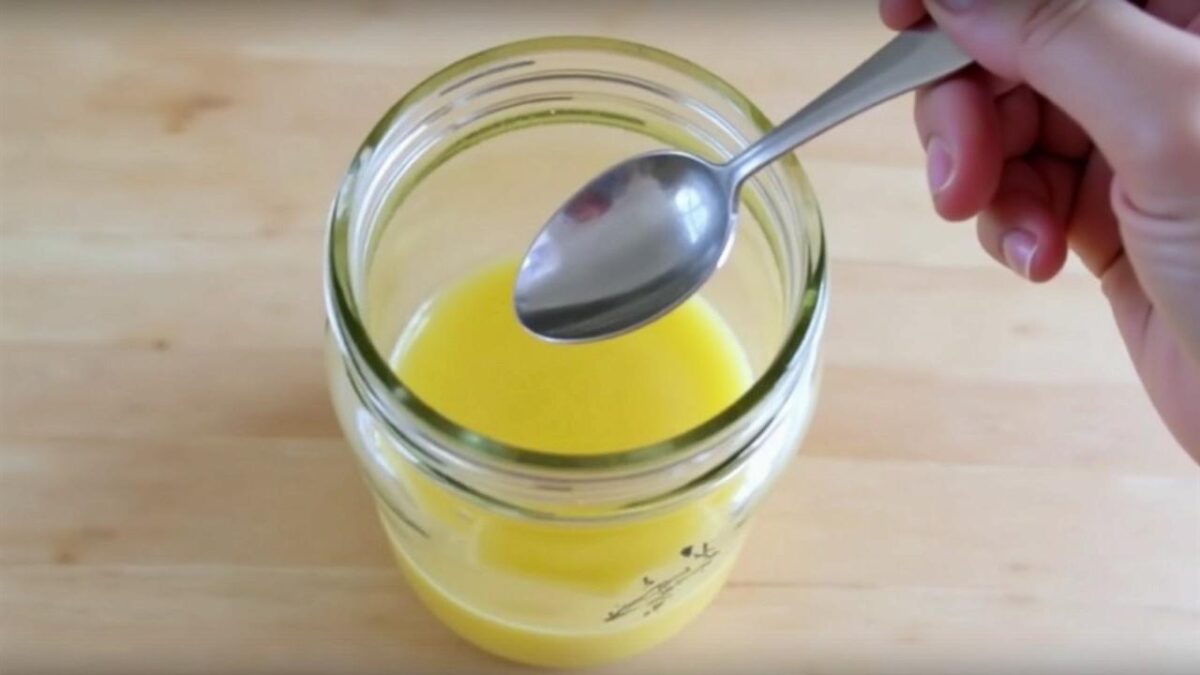
The trick many professional and savvy home cooks swear by is disarmingly simple: stir a beaten egg yolk into the hot meat mixture before you assemble the pie.
➡️ Making your own galette des rois like a chef, from home: yes, it’s possible
➡️ Do you know the kettle trick for perfect jammy eggs?
➡️ The €1 Ingredient To Replace Butter In Your Pie Crust
➡️ This Italian woman is adamant: this post‑cooking detail reveals low‑quality pasta
➡️ You Don’t Need To Be An Expert To Make This Foie Gras: I Use My Microwave And It Costs Me Far Less
➡️ Check your cupboards: some tins of sardines could be worth a small fortune
➡️ Mercosur: can supermarkets refuse to apply the trade deal?
➡️ Homemade crème caramel: the foolproof trick for a perfect texture and authentic flavour
One beaten egg yolk turns a dry mince layer into a tender, velvety filling that slices cleanly and tastes richer.
How it actually works
- Natural binder: The yolk helps the meat cling together gently, so you get smooth slices rather than loose, grainy mince.
- Extra moisture: Yolk contains fat and emulsifiers that lock in some of the juices during baking.
- Richer taste: It adds a subtle, savoury roundness without shouting “egg”.
- Softer mouthfeel: The proteins in the yolk set delicately, giving the meat layer a custardy softness rather than toughness.
The key is timing. Take the pan off the heat, let the meat cool for a minute, then stir in the beaten yolk quickly so it blends instead of scrambling. Spread the meat in your baking dish, top with mash, and bake as usual.
No eggs in the fridge? Use this plan B
If the egg box is empty, you still have options. A little stock or broth poured into the meat works well as backup.
Use just enough to loosen the mixture. You want it glossy and soft, not swimming. Otherwise, the pie risks turning soupy underneath the mash.
| Moisture booster | What it adds | What to watch |
|---|---|---|
| Egg yolk | Binding, richness, velvety texture | Avoid adding to meat that is still sizzling hard |
| Beef or vegetable stock | Juiciness, extra flavour | Add gradually to avoid a watery layer |
| Tomato passata or crushed tomato | Moisture, slight acidity | Don’t use too much or it becomes a bolognese bake |
| Crème fraîche or sour cream | Creaminess, gentle tang | Stir off the heat to stop it from splitting |
The hidden step that saves the texture
Even with a perfect meat layer, construction still matters. The way you assemble the pie can make or break the final result.
Cover every bit of meat
The mince should be fully sealed under the mashed potato. Any patch of meat left exposed on top or at the edges will bake too hard and can catch, giving bitter, burnt notes.
A complete mash “lid” acts like a protective blanket, trapping steam and keeping the filling tender.
Spread the mash right to the sides of the dish, pressing it lightly against the edges. Then rough up the surface with a fork so you get those lovely crisp peaks without drying out what’s beneath.
Think about the mash too
The potato layer also plays a role in how the whole dish tastes:
- Use a floury potato variety for a fluffy mash.
- Warm the milk or cream before adding so the mash stays smooth.
- Season the potatoes properly; under-salted mash can flatten the whole dish.
Some cooks like to add grated cheese on top. That helps with browning and adds flavour, but the real moisture control is still in the meat and how tightly you seal the layers.
Practical step-by-step for a softer, richer pie
For a typical family-size dish, you can follow this simple sequence:
This small extra step with the yolk adds barely 30 seconds to your prep, yet the texture difference is striking. The pie slices more cleanly, the meat holds together, and each forkful feels soft rather than dry.
Nutrition, food safety and who this trick suits
From a nutrition angle, adding an egg yolk slightly increases protein and fat content but not dramatically for a full family dish. For most people, that change is minor compared with the benefits in texture and satiety.
Food safety is straightforward: the pie bakes long enough for the egg to be fully cooked. As long as you bake until the centre is piping hot and the filling bubbles around the edges, the yolk no longer counts as raw.
For those avoiding eggs due to allergy or a vegan diet, use the stock method instead and lean on plant-based fats in the mash, such as olive oil or dairy-free spread, to keep the dish comforting.
Turning a basic recipe into a flexible family favourite
Once the dryness issue is solved, the recipe becomes easier to adapt. The same yolk or stock technique works with leftover roast meat chopped finely, or with lentils and mushrooms in a vegetarian version.
You can also play with flavour layers: a spoonful of mustard beaten into the mash, a hint of smoked paprika in the meat, or a thyme-scented stock. The moisture trick stays the same, but the character of the dish shifts with your choices.
Next time your cottage pie risks that familiar, dusty disappointment, remember that the solution is not drowning it in gravy at the table. A single beaten egg yolk – or a careful splash of stock – added at the right moment can quietly rescue the whole dish before it even goes in the oven.