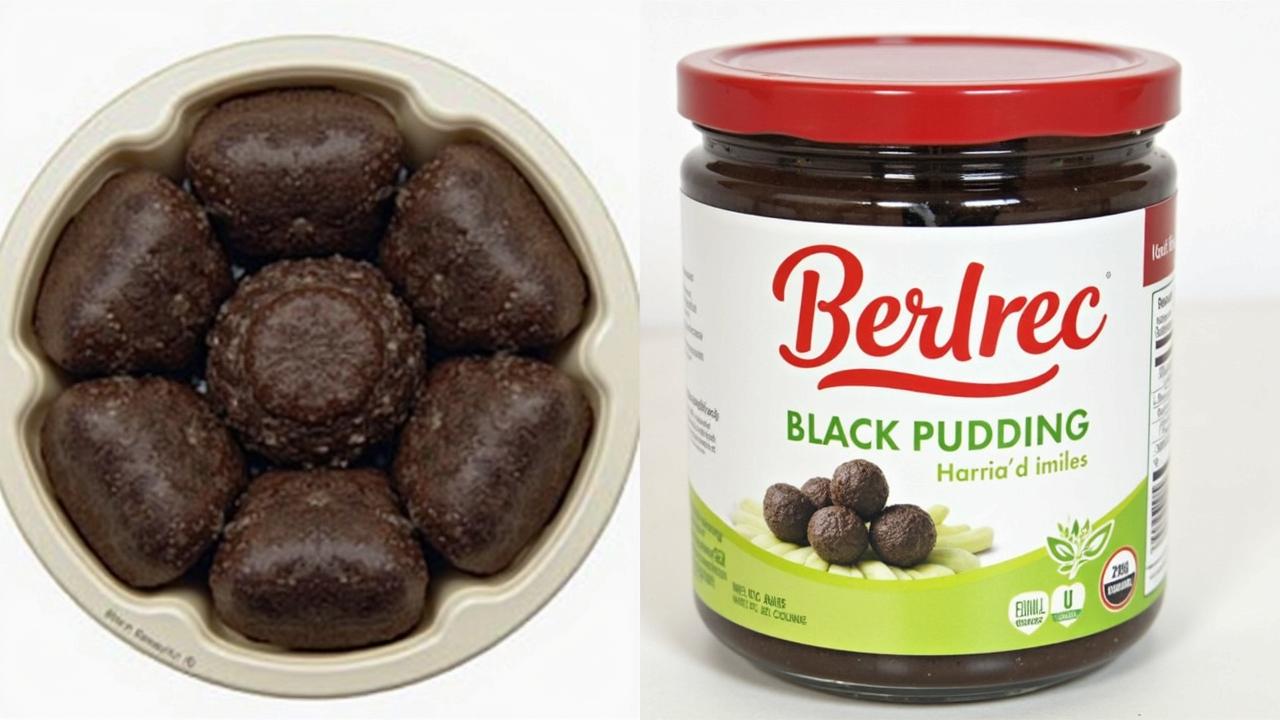
Shoppers across France are being urged to check their fridges after a popular traditional meat product was flagged by health authorities.
French food safety officials have sounded the alarm over several batches of black pudding sold in major supermarket chains, warning of a contamination risk that could cause serious illness, especially in vulnerable people.
Black pudding recall hits major French supermarket chains
The national alert was issued on Friday 23 January 2026 via RappelConso, the official French consumer recall platform. The warning concerns several types of black pudding sold in vacuum-packed form across much of the country.
The affected products are unbranded and were distributed under generic labels in the fresh meat sections of supermarkets. They were available at Leclerc, Intermarché, Système U, Match and through a number of wholesalers supplying retailers and catering professionals.
Consumers who recently bought black pudding from major French chains are strongly advised to check labels, dates and batch numbers without delay.
Which products are involved?
Three specific varieties of black pudding have been targeted by the recall:
- Black pudding with onions (boudin noir oignon VPF brasse 1.7 kg)
- Traditional black pudding (boudin noir à l’ancienne 1.7 kg)
- Cream black pudding (boudin noir crème brasse anc 1.7 kg env)
All three were sold in vacuum packs weighing around 1.7 kg, often intended for slicing at the delicatessen counter or for food service use. As they carry no easily recognisable brand name, the main clues for consumers are the technical codes printed on the packaging.
Key dates, lots and identification codes
The products were placed on the market between 9 January and 22 January 2026. Only certain batches are affected. French authorities have released the following details:
| GTIN codes | Batch numbers | Use-by dates |
|---|---|---|
| 3346650201112 | 000011480281 | 27–29 January 2026 |
| 3700912303608 | 000011480848 | 27–29 January 2026 |
| 3346650201174 | 000011480853, 000011481480 | 27–29 January 2026 |
Anyone who has bought black pudding from the named chains in recent weeks is advised to compare the barcode (GTIN), batch number and use-by date with the information above.
If in doubt, French health services recommend not consuming the product at all, even if it looks and smells normal.
➡️ Stop bland, dry cottage pie: the surprising addition that makes it meltingly soft and irresistible
➡️ Homemade crème caramel: the foolproof trick for a perfect texture and authentic flavour
➡️ Mercosur: can supermarkets refuse to apply the trade deal?
➡️ The €1 Ingredient To Replace Butter In Your Pie Crust
➡️ Making your own galette des rois like a chef, from home: yes, it’s possible
➡️ Do you know the spoon trick for opening a stubborn jar?
➡️ Why keep buying chocolate chips when this quick, budget recipe exists?
➡️ This Italian woman is adamant: this post‑cooking detail reveals low‑quality pasta
Why this black pudding recall is so serious
The recalled lots are suspected of being contaminated by Listeria monocytogenes, the bacterium responsible for listeriosis. This is a relatively rare but potentially severe foodborne infection that can lead to hospitalisation.
Unlike many bacteria, Listeria can grow at refrigerator temperatures. That makes chilled, ready-to-eat foods such as charcuterie, soft cheeses or cooked meats a particular concern if they have been contaminated at any stage of production or distribution.
Symptoms to watch for after eating the product
Health authorities note that not everyone who consumes contaminated food will fall ill, but the risk rises for certain groups, including pregnant women, older adults and people with weakened immune systems.
The alert highlights a specific symptom pattern:
- Fever, sometimes mild but persistent
- Headaches
- Muscle aches and generalised body pain
Gastrointestinal signs such as nausea or diarrhoea can also appear in some cases, typically within a few days of eating the contaminated food, though listeriosis can take up to several weeks to develop.
Anyone who has eaten the recalled black pudding and develops fever, headache or muscle pain is urged to contact their doctor and mention the potential exposure.
What to do if you have the recalled black pudding at home
If the product is still unopened in your fridge, the official advice is clear: do not eat it. Two options are recommended for consumers in France:
- Return the product to the store where it was purchased for a refund
- Dispose of it, making sure it cannot be accidentally consumed
The participating retailers are offering refunds until Thursday 12 February 2026. A dedicated phone line has also been made available for additional information: 06 15 85 21 40 (French number).
French authorities also remind consumers to clean any surfaces, knives or chopping boards that may have been in direct contact with the suspect product, using hot water and washing-up liquid, followed by thorough rinsing.
Why charcuterie products are under close watch
Black pudding sits firmly in the charcuterie category, alongside items such as sausages, pâtés and hams. These products are widely consumed across France as a way to bring variety to meals without always relying on classic cuts of meat or fish.
Because many are eaten cooked but handled raw at home, or sold pre-cooked and ready to heat or slice, they pass through several stages where contamination can occur. This is why French and European food safety systems subject them to frequent checks and why recalls targeting cured or cooked meats are relatively common.
Understanding listeriosis: who faces the highest risk?
Listeriosis is caused by ingesting food contaminated with Listeria monocytogenes. For healthy adults, the infection can resemble a seasonal flu with fever and fatigue and may even go unnoticed.
For other groups, the stakes are higher. French and international health bodies identify several categories at particular risk:
- Pregnant women, as the infection can affect the foetus
- Newborn babies
- People over 65
- Patients undergoing chemotherapy or taking immunosuppressants
- Individuals with conditions that weaken the immune system, such as HIV
In these groups, listeriosis can progress to severe complications such as meningitis or sepsis. That is why recalls involving Listeria are treated more urgently than many other food alerts.
The absence of obvious spoilage, such as smell or colour changes, does not guarantee safety when Listeria is involved.
How Listeria behaves in the fridge
One of the more worrying aspects of Listeria is its ability to multiply at low temperatures. While most foodborne bacteria slow down in the cold, Listeria can continue to grow, albeit more slowly, in standard fridges set at 4–5°C.
This is one reason ready-to-eat refrigerated products have relatively short use-by dates and strict hygiene rules. Once contaminated, they can become riskier as the date approaches, even if they have been kept continuously chilled.
Practical food safety tips when buying and eating charcuterie
Episodes like this black pudding recall raise a wider question for many consumers: how to handle charcuterie safely without giving it up entirely.
Public health agencies regularly share a few simple habits that reduce risk:
- Check use-by dates carefully and avoid buying products close to expiry if they will not be eaten quickly
- Transport chilled foods in an insulated bag, especially in warm weather or on long journeys
- Store charcuterie in the coldest part of the fridge, ideally below 4°C
- Keep raw and ready-to-eat foods separate to avoid cross-contamination
- Wash hands and utensils thoroughly after handling raw meat products
- Heat products thoroughly when cooking, as proper cooking kills Listeria
For people in high-risk groups, health professionals often advise limiting or avoiding certain chilled ready-to-eat foods, including some soft cheeses, pâtés and cold meats, unless they are reheated until steaming hot.
If you think you ate the recalled product: possible scenarios
Imagine three realistic cases. In the first, a healthy adult ate a portion of the black pudding last week and feels fine. In that situation, medical services generally advise simple self-monitoring: watch for fever or unusual symptoms in the following days, but no automatic treatment is required.
In the second case, a pregnant woman ate the product a few days ago. Even if she feels well, she is encouraged to contact her doctor or midwife. Blood tests or closer follow-up may be suggested, as a precaution.
In the third case, an older person with a chronic illness has eaten the recalled black pudding and now has a persistent fever and aches. Here, rapid medical consultation is strongly recommended, with a clear mention of the suspected food exposure to guide testing and care.
Early communication with a healthcare professional often makes management of suspected listeriosis smoother and less stressful for patients.
This latest incident adds to a steady stream of food recalls in France involving fruit, dairy products, canned fish and now charcuterie. For consumers, getting used to checking recall notices and labels has become part of everyday shopping, almost as routine as scanning prices or checking promotions.