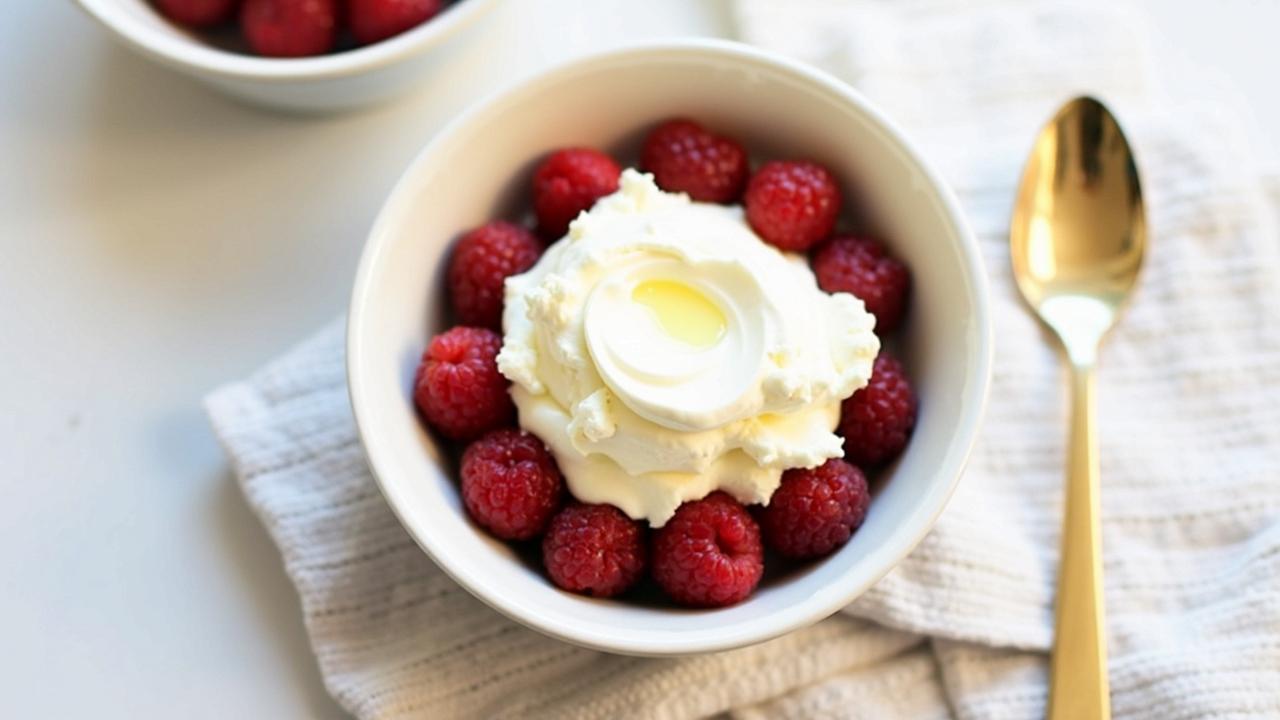
That moment when you crave tiramisu, open the fridge… and the mascarpone tub is nowhere to be seen.
Between last‑minute desserts, lighter dinners and tighter food budgets, finding stand‑ins for mascarpone has quietly become a modern kitchen skill. And the good news is, you can swap it out without sacrificing that velvety, spoon‑coating pleasure.
Why mascarpone is so tempting – and so heavy
Mascarpone is basically luxury in dairy form. This Italian cheese, central to classic tiramisu, comes from thickened cream, giving it an ivory colour and almost buttery texture.
Its flavour is mild, slightly tangy, with a faint nuttiness that flatters coffee, chocolate, berries and even savoury sauces. One generous spoonful turns an ordinary dish into something that feels restaurant‑worthy.
Behind that silky feel, mascarpone often brings around 430–460 kcal and up to 50 g of fat per 100 g.
For anyone watching calories, saturated fats or just trying to eat less “rich” food during the week, that adds up quickly. It’s also not always in stock, and it can be pricey compared with other dairy products.
So home cooks are asking a new question: can you keep the same indulgent texture and flavour, with fewer compromises on health or convenience? The answer is yes – as long as you choose the right substitute for the right recipe.
The easiest mascarpone swaps you probably already own
Greek yoghurt: the everyday hero
Thick Greek yoghurt is often the simplest way to stand in for mascarpone.
- Texture: naturally creamy, especially the full‑fat or “strained” versions
- Protein: much higher than mascarpone, which helps with satiety
- Calories and fat: significantly lower, especially in reduced‑fat styles
In most sauces, dips and some desserts, you can use it in a one‑to‑one ratio. If it feels a bit runny for a layered dessert, line a sieve with a coffee filter or clean cloth, place the yoghurt inside, and let it drain over a bowl in the fridge for an hour or two. You’ll get something closer to a spreadable cheese.
Strained Greek yoghurt can imitate mascarpone’s body, while cutting a substantial share of the fat.
➡️ Fruit recall at Intermarché, Grand Frais, Fresh and others over pesticide limit breach
➡️ Not all balsamic vinegars are created equal: how to recognise real balsamic from Modena
➡️ Low-calorie, this rustic dish is back: it wins over Laurent Mariotte and buries gratin dauphinois
➡️ The jury still can’t believe it: these two French brothers just won the pastry world championship
➡️ Paris boils over: the world’s most Michelin-starred female chef opens a dream restaurant
➡️ Why chefs swear by clarified butter to elevate their dishes – and how to make it
➡️ Nationwide recall in France after goat’s cheese found contaminated with harmful bacteria
➡️ People Can’t Believe The Real Difference Between “Pork” And “Pig”
Greek yoghurt works particularly well in fruit verrines, cheesecake jars, creamy salad dressings and pasta sauces with lemon or herbs.
Crème fraîche: for sauces and cosy dishes
Crème fraîche has a cultured tang and a rich mouthfeel, making it a comfortable stand‑in in savoury recipes. It behaves well in gentle heat, which is helpful for:
- creamy soups (mushroom, pumpkin, tomato)
- slow‑cooked stews and casseroles
- pasta sauces with bacon, mushrooms or roasted vegetables
Use the same quantity as mascarpone, but remember that full‑fat crème fraîche is still a rich ingredient. Half‑fat versions reduce the impact, though they can split more easily if boiled too hard, so keep the heat moderate.
Cream cheese and spreadable cheeses: structure and stability
Neutral cream cheese and lighter spreadable cheeses make excellent substitutes when you need a firm texture, such as in cheesecakes, layered desserts or frostings.
You can often swap them in equal quantities, softening with a splash of milk or cream if the mixture seems too thick. For people avoiding lactose or dairy, there are now decent plant‑based cream cheeses made from soy, oats or nuts that behave similarly.
For baked desserts that need to hold their shape, cream cheese often beats mascarpone on reliability.
Sweeter options when you’re baking or making dessert
Ricotta: lighter, but still indulgent
Ricotta, traditionally made from whey, brings a gentle milkiness and a grainier, airier texture than mascarpone. It’s naturally lighter in fat and works in both sweet and savoury dishes.
Use roughly the same amount as mascarpone, but be aware of its structure. For ultra‑smooth textures, quickly blend ricotta with a hand blender to break down the tiny curds, then sweeten as needed.
Ricotta shines in:
- Italian‑style cheesecakes
- cannoli fillings
- fruit tarts and baked custards
- lasagne and stuffed pasta in savoury cooking
Coconut cream: a dairy‑free treat
Coconut cream, the thick part of canned coconut milk, can give you that luscious spoon‑standing thickness without a trace of dairy. It’s naturally sweet, with a noticeable coconut flavour.
That flavour pairs beautifully with tropical fruits, chocolate, lime, coffee and spices such as cardamom. It’s less neutral than mascarpone, so it works best in recipes where you’re happy for coconut to share the spotlight.
Whipped cream and custard-based options
Plain whipped cream, lightly sweetened, can stand in for mascarpone in some desserts, especially when you want a light, airy texture. Use chilled double or heavy cream, whip it until it holds soft peaks, and fold it gently into the rest of your mixture.
For a lighter, more bakery‑style filling, a custard base works well. Classic pastry cream (a thickened egg and milk custard) can be enriched with whipped cream to create what professionals call a “diplomat cream”. This hybrid has a custard’s flavour and body, with extra softness from the whipped cream.
A pastry cream mixed with whipped cream gives a mascarpone‑like texture with fewer calories and more control over sweetness.
How different substitutes compare at a glance
| Substitute | Best for | Flavour profile | Fat vs mascarpone |
|---|---|---|---|
| Greek yoghurt | Sauces, light desserts, dips | Tangy, fresh | Lower |
| Crème fraîche | Soups, stews, pasta | Tangy, rich | Slightly lower or similar |
| Cream cheese | Cheesecakes, frostings | Mild, slightly tangy | Often slightly lower |
| Ricotta | Baked desserts, fillings | Mild, milky | Lower |
| Coconut cream | Dairy‑free desserts | Strong coconut note | Similar or lower, varies |
Can you make tiramisu without mascarpone?
Yes, and it can still feel like a proper treat. The trick is balancing structure, fat and flavour so the layers don’t collapse or turn watery.
One approach is a half‑and‑half blend of cream cheese and Greek yoghurt. The cream cheese adds body, while the yoghurt lightens the mix. Sweeten with icing sugar, add vanilla, and fold in a bit of whipped cream if you want extra fluffiness.
For a dairy‑reduced version, you might use coconut cream whisked with a little sugar and a pinch of salt, layered with coffee‑soaked sponge fingers or biscuits. The result veers into “coconut tiramisu” territory, but keeps that same satisfying contrast of coffee, cream and cocoa.
Health angles and potential pitfalls
Swapping mascarpone can lower saturated fat, which is often linked with cardiovascular risk when eaten in excess. Greek yoghurt boosts protein, supporting muscle maintenance and helping you feel full for longer.
That said, not every “lighter” swap is automatically healthier. Some reduced‑fat products compensate with more sugar or stabilisers. Reading the label helps you choose options that genuinely fit your goals.
Texture is another common issue. Thin yoghurt or low‑fat cream can split when heated too strongly or mixed with acid. Keeping the pan on gentle heat and adding dairy at the end of cooking usually reduces the risk of curdling.
Practical scenarios for busy home cooks
Picture a Sunday lunch where a last‑minute dessert is suddenly required. If mascarpone is missing, Greek yoghurt strained for an hour, then blended with honey and vanilla, can rescue the situation. Spoon it between biscuit layers with berries, and nobody will be asking what brand of mascarpone you used.
Or consider a weekday pasta dish. Instead of a full tub of mascarpone stirred into hot penne, a couple of spoonfuls of crème fraîche and a ladle of starchy cooking water can coat the pasta with a silky, lighter sauce. Add peas, lemon zest and black pepper, and you have something quick, comforting and reasonably balanced.
Key terms that often confuse people
Many recipes use words like “cream cheese”, “ricotta” and “crème fraîche” almost interchangeably, which can cause disappointment when the result doesn’t match the picture.
Cream cheese is denser and smoother, ideal for spreads and cheesecakes. Ricotta has tiny curds and a looser feel, good for fillings and bakes. Crème fraîche is closer to a thick, tangy cream and suits sauces and dollops. Understanding these differences helps you pick the right stand‑in when mascarpone is off the menu.
With a few of these swaps up your sleeve, that missing tub stops being a problem and becomes an opportunity to cook a little lighter, spend a little less, and still keep that sense of indulgence on the spoon.